Home
Experiences

A Day at the Tsukiji Outer Market: More Than Just Fish

17 SourcesUpdated November 30, 2025

TL;DR

Explore the enduring legacy of Tsukiji Outer Market, Tokyo's legendary kitchen. Despite the inner market's move, this guide reveals how to navigate the vibrant alleys, from uncovering hidden culinary gems to savoring world-class sea urchin bowls, proving Tsukiji is more than just fish—it's an essential Tokyo experience.

Tokyo's Kitchen: The Enduring Allure of Tsukiji

For decades, the name Tsukiji has been synonymous with the world's greatest fish market. It earned the beloved nickname "Tokyo's Kitchen" for its role as the bustling, beating heart of the city's culinary scene, a place where the freshest seafood and sushi were available to all. While it's true that the famous inner market, with its legendary tuna auctions, has moved to a new home in Toyosu, a common misconception is that Tsukiji has vanished. This couldn't be further from the truth.

The Tsukiji Outer Market remains a vibrant and essential destination for any food lover visiting Tokyo. The spirit of the old market lives on in its labyrinthine alleys, where generations of vendors continue to offer an incredible array of delicacies. Here, you can still find an abundance of fresh seafood and expertly prepared sushi, but the experience has evolved. It's a place that rewards the curious and the adventurous, a culinary landscape that is as much about the thrill of discovery as it is about the taste of the ocean. A day spent here is a journey into the soul of Japanese cuisine, proving that even after a significant change, Tsukiji's legacy as Tokyo's Kitchen is alive and well.

Tsukiji Market, known as 'Tokyo's Kitchen,' has an abundance of delicious fresh seafood and sushi.

"Tsukiji Market, known as 'Tokyo's Kitchen,' has an abundance of delicious fresh seafood and sushi."

@TR丨租车

Navigating the Modern Market: Tourist Trap or Treasure Trove?

Visiting the Tsukiji Outer Market today comes with a crucial question: is it an authentic culinary experience or a tourist trap? The answer, according to seasoned visitors, is that it can be both. It's essential to arrive with a discerning eye and an adventurous palate. Some travelers report that the core business has indeed moved, leaving behind inflated prices and ingredients of average freshness in the more conspicuous tourist areas. One visitor noted that while it's expensive, it's also fresh, but cautioned that many stalls specifically target tourists and that equally good sushi can be found elsewhere without the high price tag.

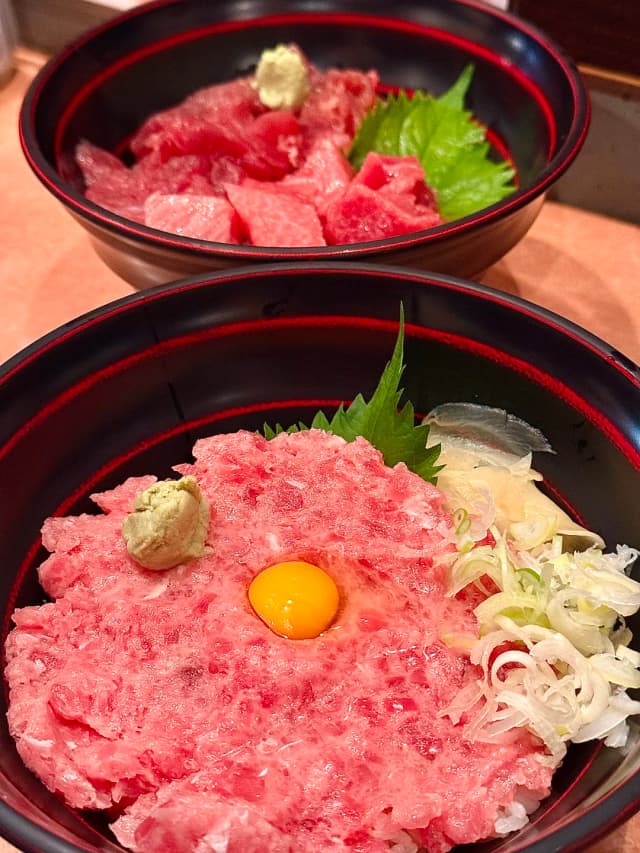
However, dismissing Tsukiji entirely would be a mistake. The key to unlocking its treasures lies in veering off the beaten path. One traveler, initially wary of hearing the market was full of traps, discovered a fantastic, inconspicuous little shop bustling not with tourists, but with Japanese office workers on their lunch break. This hidden gem offered a fresh and delicious seafood donburi for a reasonable 2000 yen and a tuna paste rice bowl for just 1200 yen. This experience highlights the market's dual nature: to find the best value and authenticity, you must look beyond the main thoroughfares and seek out the places where locals themselves choose to eat.

Here are a few tips for making the most of your visit:

  • Go early. As one visitor advises, arriving earlier in the day often means access to fresher ingredients, a holdover from the market's wholesale roots.
  • Be prepared to explore. Don't just stick to the first few stalls you see. Wander the smaller alleys and observe where the local crowds are gathering.
  • Embrace the goal of 'seafood freedom'. The market is a fantastic place to sample a wide variety of Japanese seafood, from fresh eel rice bowls to countless types of sushi. For a truly rewarding experience, come with an open mind and a willingness to explore the Tsukiji Outer Market.
It's truly expensive, and the seafood is truly fresh, but honestly, many stalls have prices that are a rip-off for tourists.

"It's truly expensive, and the seafood is truly fresh, but honestly, many stalls have prices that are a rip-off for tourists."

@百川丨旅行

The Quest for Uni: A Tale of Two Tsukiji Legends

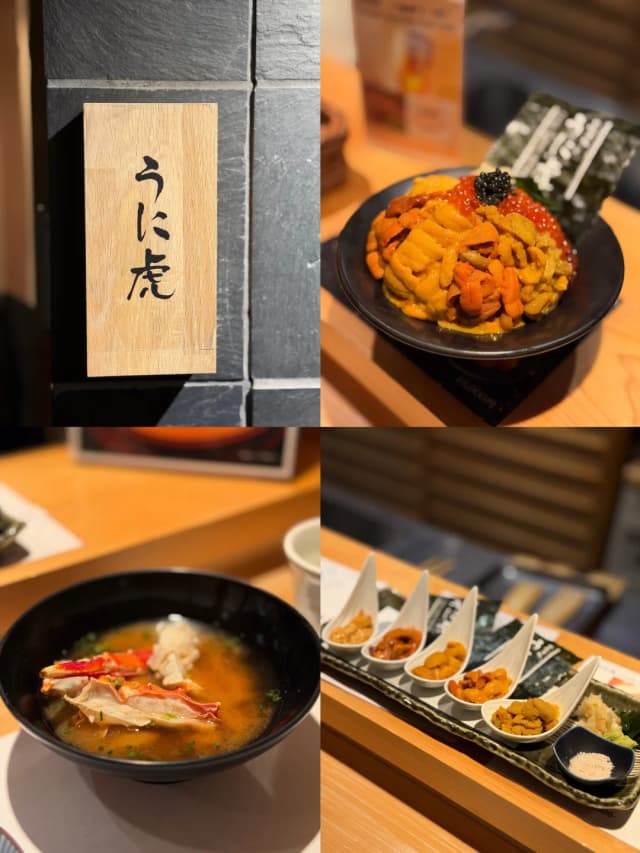
No visit to Tsukiji is complete without indulging in a sea urchin bowl, or uni don. This delicacy is the star of the show for many, and the market is home to several famous purveyors. Navigating the options, however, reveals that reputation and reality can sometimes diverge, creating a fascinating tale of two very different experiences.

First, there's the widely acclaimed Unitora, also known as Itadori. This spot is consistently praised for its signature uni bowls. Visitors rave about the incredibly fresh and sweet sashimi and sea urchin. One traveler noted they

You can never get tired of their signature sea urchin bowl; the sashimi and uni are incredibly fresh and sweet.

"You can never get tired of their signature sea urchin bowl; the sashimi and uni are incredibly fresh and sweet."

@陈大胆🐈

The Verdict: Is Tsukiji Still a Must-Visit?

After the inner market's relocation, the question lingers: should Tsukiji Outer Market still be on your Tokyo itinerary? The answer is a resounding yes, but with a new perspective. A day here is no longer just about witnessing the world's biggest fish auction; it's about actively participating in a living, breathing culinary ecosystem that is rich with history and flavor.

Tsukiji offers a spectrum of experiences. You can indulge in a pricey, top-tier sea urchin bowl at a famous establishment, or you can hunt for a humble, back-alley stall serving perfectly fresh donburi to local workers for a fraction of the cost. You can savor a fresh eel rice bowl or simply wander, sampling the countless snacks and delicacies on offer. The market is a microcosm of Tokyo's food scene—a place of high and low, of famous names and hidden gems.

To truly enjoy Tsukiji is to embrace this diversity. Come with an empty stomach, a curious mind, and a willingness to explore beyond the obvious. While some caution against inflated prices, the market's enduring popularity is a testament to the quality that can still be found. It remains, without a doubt, "Tokyo's Kitchen"—a place not just to eat, but to experience the profound connection between a city and its food.

Even after the inner market moved, Tsukiji is still 'Tokyo's Kitchen,' where you can find delicious, freshly made delicacies in the surrounding area.

"Even after the inner market moved, Tsukiji is still 'Tokyo's Kitchen,' where you can find delicious, freshly made delicacies in the surrounding area."

@TR丨租车

Related Questions

Did the entire Tsukiji Market close and move away?

No, this is a common misconception. Only the inner market, famous for its tuna auctions, moved to Toyosu, while the Tsukiji Outer Market remains a vibrant destination.

What is the famous nickname for the Tsukiji Market?

Tsukiji earned the beloved nickname "Tokyo's Kitchen" because of its central role as the bustling heart of the city's culinary scene.

Is the Tsukiji Outer Market considered a tourist trap?

It can be both an authentic experience and a tourist trap. While some stalls cater to tourists with inflated prices, authentic and reasonably priced gems can be found by exploring.

How can visitors find the most authentic food at Tsukiji?

The key is to explore beyond the main thoroughfares. Look for inconspicuous shops in the smaller alleys, especially those bustling with local Japanese workers.

What is a good tip for visiting the market?

It is recommended to go early in the day. Arriving earlier often means access to fresher ingredients, which is a holdover from the market's wholesale roots.

What is a must-try delicacy at the Tsukiji Outer Market?

A sea urchin bowl, known as *uni don*, is considered a star delicacy and a must-try experience for many visitors to the market.

Where did the famous tuna auctions from the inner market relocate to?

The famous inner market and its legendary tuna auctions moved to a new, modern facility in Toyosu.

What kind of food is available besides fresh sushi?

In addition to sushi, the market offers a wide variety of foods, including fresh eel rice bowls, seafood donburi, and countless other snacks and delicacies.

Why should the Tsukiji Outer Market still be on a Tokyo itinerary?

Yes, it remains a must-visit destination. It offers a diverse culinary ecosystem where visitors can actively experience the rich history and flavor of Japanese cuisine.

What is the general experience of visiting Tsukiji today?

A visit offers a spectrum of experiences, from indulging in pricey, top-tier seafood at famous shops to discovering humble back-alley stalls serving locals at a lower cost.

Related Articles

Sources

[1]

东京自由行必去❗15个热门景点完整攻略

https://www.xiaohongshu.com/explore/68a5ca...

[2]

✨第一次去东京怎么玩?这份指南请收好

https://www.xiaohongshu.com/explore/68d50b...

[3]

🇯🇵全小红书最详细东京+富士山行程

https://www.xiaohongshu.com/explore/691891...

[4]

🇯🇵喜报!!东京筑地市场没踩雷的一顿饭!!

https://www.xiaohongshu.com/explore/68ddec...

[5]

🇯🇵日本|东京市区3日游绝佳路线

https://www.xiaohongshu.com/explore/68b174...

[6]

超详细🇯🇵东京5日游行程攻略~少走弯路‼️

https://www.xiaohongshu.com/explore/6854e2...

[7]

京都\东京吃肉记录(二)🍖

https://www.xiaohongshu.com/explore/68a581...

[8]

日本🇯🇵东京亲子儿童友好餐厅推荐

https://www.xiaohongshu.com/explore/68d272...

[9]

🍣|东京必吃点单区❗️

https://www.xiaohongshu.com/explore/687a15...

[10]

时隔多年来吃虎杖 还是这么美味😋

https://www.xiaohongshu.com/explore/6910c0...

[11]

东京连吃十几顿饭 顿顿不重样🤫

https://www.xiaohongshu.com/explore/68dfd9...

[12]

美国牛马东京回血指南!(个人向

https://www.xiaohongshu.com/explore/688d53...

[13]

东京九天吃饭不重复|预约攻略和测评📝

https://www.xiaohongshu.com/explore/6873ef...

[14]

东京美食暴走地图|寿喜锅到烧鸟的终极指南

https://www.xiaohongshu.com/explore/68a429...

[15]

东京自由行必去❗15个热门景点完整攻略

https://www.xiaohongshu.com/explore/68a5ca...

[16]

🇯🇵日本|东京市区3日游绝佳路线

https://www.xiaohongshu.com/explore/68b174...

[17]

🇯🇵喜报!!东京筑地市场没踩雷的一顿饭!!

https://www.xiaohongshu.com/explore/68ddec...