Home
Accommodation

A Guide to Serviced Apartments for Long-Term Stays in Tokyo

29 SourcesUpdated November 30, 2025

TL;DR

Planning a long-term stay in Tokyo? This guide focuses on the most crucial decision: choosing your neighborhood. Explore Tokyo's key districts, from vibrant Shinjuku to traditional Asakusa, and learn about the transport, dining, and shopping that will define your experience and help you find the perfect home base.

Choosing Your Tokyo Base: A Guide for Long-Term Stays

Embarking on a long-term stay in Tokyo is an exciting prospect, offering the chance to immerse yourself in one of the world's most dynamic cities. While the comfort and amenities of a serviced apartment are key, the single most important decision you'll make is choosing your neighborhood. Tokyo is not a monolith; it's a sprawling patchwork of distinct districts, each with its own unique character, pace, and lifestyle.

Finding the right serviced apartment is less about the specific building and more about its location. Do you thrive on the 24/7 energy of a commercial hub, or do you prefer the quiet charm of a residential area with cozy cafes? Are you a foodie who wants endless dining options at your doorstep, a fashion enthusiast eager to explore trendy boutiques, or a culture seeker looking to be near museums and historic sites? Your answer will determine whether you should base yourself in the neon glow of Shinjuku, the fashionable streets of Shibuya, or the tranquil, traditional lanes of Asakusa.

This guide is designed to help you navigate Tokyo's diverse landscape from the perspective of a long-term resident. Instead of focusing on specific apartment listings, we'll explore the city's key neighborhoods, transportation systems, culinary scenes, and leisure activities. By understanding what each area has to offer, you can make an informed decision about where to plant your temporary roots, ensuring your extended stay is not just comfortable, but truly unforgettable. Let's find your perfect Tokyo home away from home. For more details on specific districts, you can explore guides like this one on Tokyo's Wards.
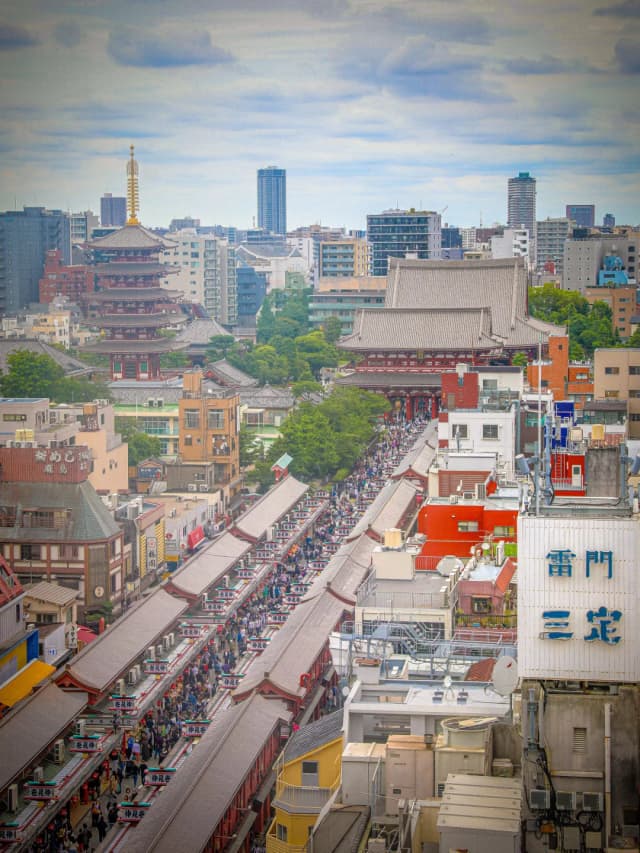
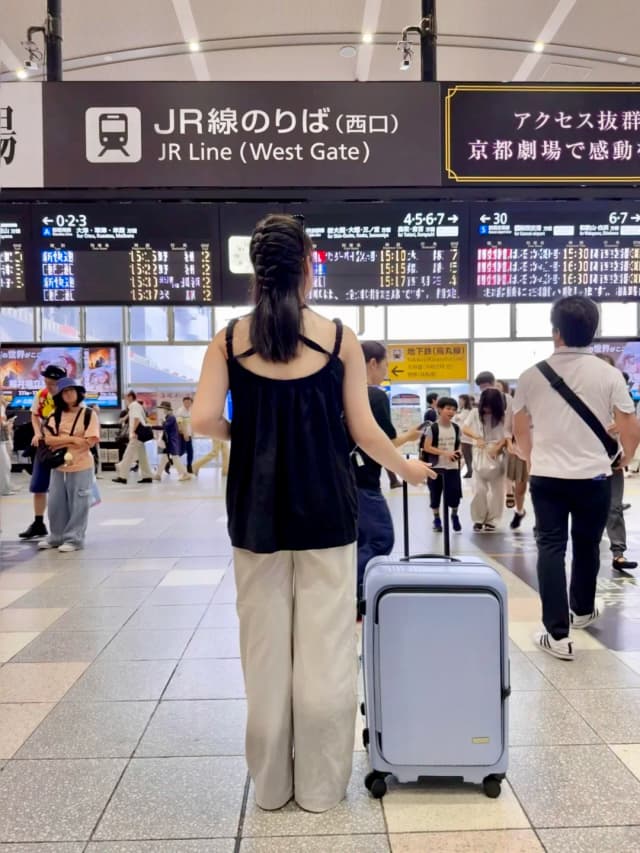
A Neighborhood Guide to Tokyo's 23 Wards

Choosing the right district is the foundation of a successful long-term stay. Tokyo is comprised of 23 special wards, each a city in itself with a unique atmosphere. Your daily routine, commute, and leisure time will be shaped by your chosen base. Here’s a breakdown of some key areas to consider, based on lifestyle preferences.

For the Urbanite Who Wants It All: Shinjuku & Shibuya

  • Shinjuku: As a major transportation hub centered around the JR Yamate Line, Shinjuku offers unparalleled convenience for getting anywhere in the city and for weekend trips to places like Fuji and Kamakura. It perfectly balances work and life, boasting towering skyscrapers, endless shopping at department stores like Takashimaya and Isetan, and the vibrant nightlife of Kabukicho. For moments of tranquility, the beautiful Shinjuku Gyoen National Garden provides a stunning urban oasis.
  • Shibuya: The heart of Tokyo's youth culture, Shibuya is defined by the iconic Scramble Crossing, cutting-edge fashion, and a lively, energetic atmosphere. It's a fantastic choice if you want to be in the center of trends and entertainment. The area is packed with shops, cafes, and nightlife options, making it a dynamic and exciting place to live.

For Lovers of Luxury and International Flair: Chuo & Minato

  • Chuo (Ginza): Known as Tokyo's most upscale shopping district, Ginza is home to flagship luxury brands, prestigious department stores like Mitsukoshi and Matsuya, and fine dining. Living here means having the best of Tokyo's commercial and cultural life at your fingertips. It’s a sophisticated choice for those who appreciate a high-end urban lifestyle.
  • Minato (Roppongi, Azabu): This ward has a distinctly international feel, hosting many embassies, corporate headquarters, and a large expatriate community. Roppongi is famous for its vibrant nightlife and art scene, with landmarks like Roppongi Hills. It’s an ideal location for international families, offering access to international schools and a globalized living environment.

For a Taste of Tradition and Culture: Taito (Ueno & Asakusa)

  • Ueno: A hub of culture and history, Ueno is centered around the expansive Ueno Park, which contains several of Japan's most important museums, including the Tokyo National Museum, as well as the Ueno Zoo. Accommodation here is often more reasonably priced, making it a great option for those on a budget or families who appreciate the green space and cultural amenities.
  • Asakusa: If you want to experience the charm of old Tokyo, Asakusa is the place to be. Home to the famous Senso-ji Temple and traditional shopping streets, it offers a slower pace of life. It’s also relatively affordable and provides a deep dive into the city's rich history.

For Academics and Families: Bunkyo

  • Bunkyo: Known as the city's educational district, Bunkyo Ward is home to the prestigious University of Tokyo. It’s a quieter, more residential area with a strong focus on education, making it an excellent and secure choice for families prioritizing schooling for their children.
In Tokyo's 23 wards, there's no absolute 'best,' only the 'most suitable'.

"In Tokyo's 23 wards, there's no absolute 'best,' only the 'most suitable'."

@东京留学-工作-生活分享

Getting Around: Mastering Tokyo's Transport Network

One of the greatest advantages of living in Tokyo is its world-class public transportation system. It's efficient, punctual, and extensive, making a car entirely unnecessary. Mastering the network is key to enjoying your long-term stay.

The Essential Tool: Suica or Pasmo Card

  • Your first step should be to get a rechargeable smart card like a Suica or Pasmo. These cards are indispensable for daily life.
  • You can use them to tap in and out of virtually all train and bus lines in the Greater Tokyo area and beyond.
  • They also function as a digital wallet at most convenience stores, vending machines, and even some shops and restaurants, simplifying small purchases.
  • For iPhone users, you can easily add a digital Suica card to your Apple Wallet, allowing you to top it up directly from your phone without ever needing to visit a machine.

Key Train Lines to Know

  • JR Yamanote Line: This is arguably the most important train line for any Tokyo resident. It runs in a large loop connecting most of the city’s major hubs, including Shinjuku, Shibuya, Tokyo Station, Ueno, and Ikebukuro. Living near a Yamanote Line station provides incredible convenience.
  • Tokyo Metro & Toei Subway: These two subway systems form a dense web beneath the city, offering access to nearly every corner of the 23 wards. For frequent travel, consider purchasing a Tokyo Subway Ticket, available for 24, 48, or 72-hour periods, which offers unlimited rides on all Tokyo Metro and Toei Subway lines.

Planning Your Journeys

  • Navigating the complex network can be daunting at first, but several apps make it simple. Google Maps is extremely reliable for route planning, providing precise train times, platform numbers, and fare information.
  • Other popular apps among locals and travelers include "JapanTransit" or "换乘案内," which offer detailed routing options and are essential for planning efficient travel.
  • Be mindful of the last train times, which are typically around midnight. Taxis are widely available but are significantly more expensive, so planning your evenings around the train schedule is a common practice for residents.
For easy travel, add a Suica card to your Apple Wallet to pay for the subway, but be mindful that the last train is around 11:30 PM!

"For easy travel, add a Suica card to your Apple Wallet to pay for the subway, but be mindful that the last train is around 11:30 PM!"

@LilyLily

Tokyo's Culinary Landscape: Your Extended Kitchen

While your serviced apartment comes with a kitchen, one of the greatest joys of a long-term stay in Tokyo is treating the city's unparalleled restaurant scene as your personal dining room. From Michelin-starred establishments to humble street-side stalls, there's a world of flavor to explore.

Yakiniku (Japanese BBQ)

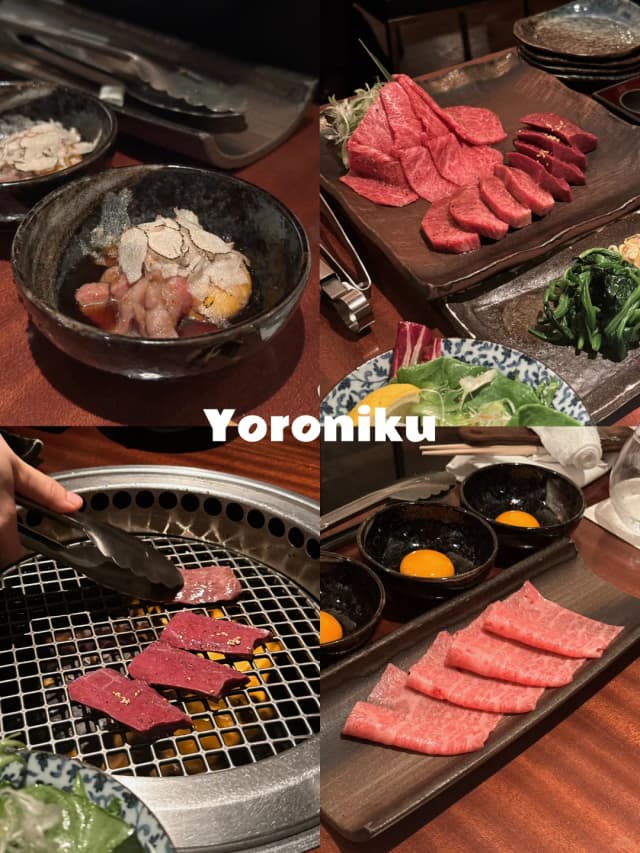
  • Yoroniku (Minami-Aoyama): Often cited as a life-changing yakiniku experience, this high-end restaurant requires reservations but rewards diners with exceptional quality meat and impeccable service.
  • Yakiniku Kokokara (Hamamatsucho): A more casual spot known for its excellent beef tongue platters and friendly service. The Korean-style vegetable salad is a must-order to refresh your palate between bites of rich, grilled meat.
  • Ushigoro (Multiple Locations): A reliable choice for high-quality Wagyu, with a location in Omotesando praised for its delicious course menus that showcase various cuts and preparations.

Sushi and Seafood

  • Tsukiji Market: Although the inner market has moved to Toyosu, the outer market remains a vibrant hub for fresh seafood. You can find incredible sushi and seafood bowls, such as the five-variety sea urchin rice bowl at Uoni Tora. For a great value, look for smaller shops where locals eat, offering fresh tuna bowls for as little as 1200 yen.
  • Sushi Azabu (Azabudai): This Michelin-starred omakase restaurant in New York has a Tokyo location offering an incredible value proposition, especially for lunch. You can experience a high-quality, multi-course sushi meal for a fraction of the price of dinner service, making it a perfect entry into the world of high-end sushi.

Ramen

  • Ichiran: A famous chain known for its customizable tonkotsu (pork bone) broth ramen and individual
It's a life-changing yakiniku experience! From now on, all other barbecue is just settling.

"It's a life-changing yakiniku experience! From now on, all other barbecue is just settling."

@芒果很忙

From High Fashion to Flea Markets: A Shopper's Guide

Tokyo is a global shopping capital, offering everything from luxury goods and cutting-edge fashion to quirky vintage finds and handcrafted goods. During a long-term stay, you'll have ample time to explore beyond the main tourist drags and discover the city's diverse retail personality.

Luxury and Department Stores

  • Ginza: This is Tokyo's premier upscale district. The main thoroughfare is lined with flagship stores for international luxury brands and renowned Japanese department stores like Mitsukoshi, Matsuya Ginza, and the historic Wako with its iconic clock tower. Ginza Six is a modern addition, offering high-end fashion, art installations, and a beautiful rooftop garden.

Trendsetting Hubs

  • Harajuku & Omotesando: These adjacent neighborhoods represent two sides of Tokyo's fashion coin. Harajuku's Takeshita Street is the epicenter of vibrant, youthful street style, while Omotesando, often called Tokyo's Champs-Élysées, is a sophisticated boulevard with stunning architecture, designer boutiques, and chic cafes.
  • Shibuya: Beyond the famous crossing, Shibuya is a massive shopping hub with iconic stores like Shibuya 109 for young women's fashion and Parco, which houses the Nintendo Store and other pop culture hotspots.

Vintage and Niche Finds

  • Shimokitazawa: A must-visit for lovers of vintage clothing and a bohemian vibe. This neighborhood is a maze of narrow streets packed with second-hand stores, independent record shops, and quirky cafes. It offers a more laid-back shopping experience compared to the city's bustling centers.
  • Nakameguro & Daikanyama: These stylish, relaxed neighborhoods are perfect for a leisurely afternoon of browsing. You'll find a curated selection of lifestyle brands, design-focused shops, and the famous Tsutaya Books at Daikanyama T-Site, a cultural landmark in itself.

Bargain Hunting and Unique Souvenirs

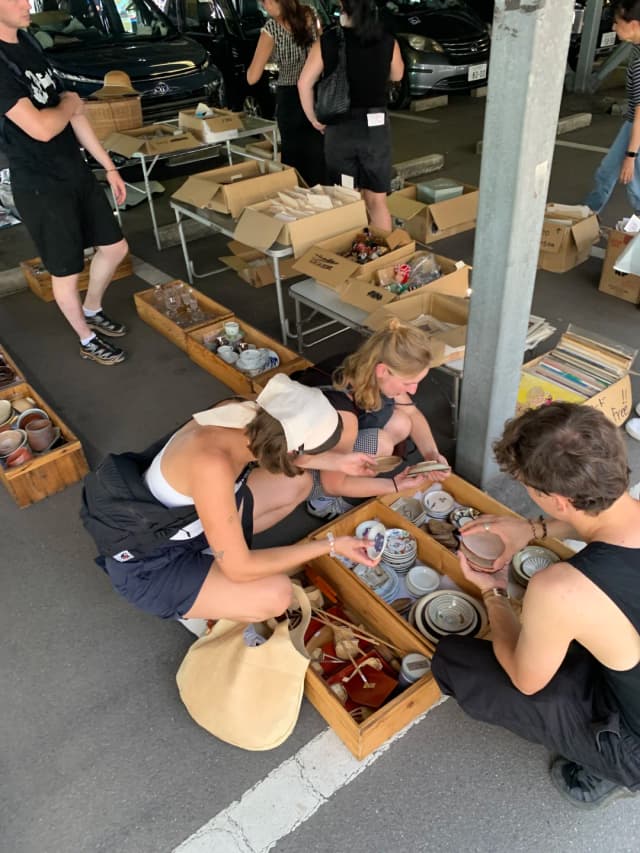
  • Ooi Keibajo Flea Market: For a truly local experience, head to the Ooi Racecourse on a weekend. It's one of Tokyo's largest flea markets, with hundreds of vendors selling everything from vintage clothing and antiques to toys and household goods. You can find incredible bargains, especially if you go early in the morning when vendors trade among themselves, or late in the afternoon as they start packing up. It's an ideal place to find unique items to personalize your long-term living space. More information on local markets can often be found on city event calendars.
Here's a tip for Tokyo's Ooi Racecourse flea market: arrive after 2:30 PM when vendors are packing up—some will practically give things away to avoid carrying them home.

"Here's a tip for Tokyo's Ooi Racecourse flea market: arrive after 2:30 PM when vendors are packing up—some will practically give things away to avoid carrying them home."

@TR丨租车

Weekend Getaways and Urban Escapes

A long-term stay gives you the luxury of time to explore beyond the typical tourist itinerary. You can spend your weekends unwinding in the city's green spaces, delving into its cultural institutions, or even venturing out on day trips to nearby towns and natural wonders.

Urban Oases: Tokyo's Parks

  • Ueno Park: Japan's first public park is more than just a green space; it's a cultural epicenter. Home to the Tokyo National Museum, the National Museum of Nature and Science, and the Ueno Zoo, you can easily spend a full day here. It's especially famous for its cherry blossoms in the spring.
  • Shinjuku Gyoen National Garden: This is one of Tokyo's largest and most beautiful parks, featuring three distinct garden styles: a traditional Japanese landscape, a formal French garden, and an English landscape garden. It's the perfect place for a quiet afternoon stroll and was famously featured in the anime film The Garden of Words.
  • Yoyogi Park: Adjacent to Meiji Shrine, this park is a lively spot, especially on weekends, where you can see everything from rockabilly dancers to picnicking families. It offers a more casual and energetic atmosphere compared to Shinjuku Gyoen.

Seasonal Beauty and Events Tokyo's appearance changes dramatically with the seasons, offering new experiences throughout the year. As a long-term resident, you can enjoy these events at a leisurely pace.

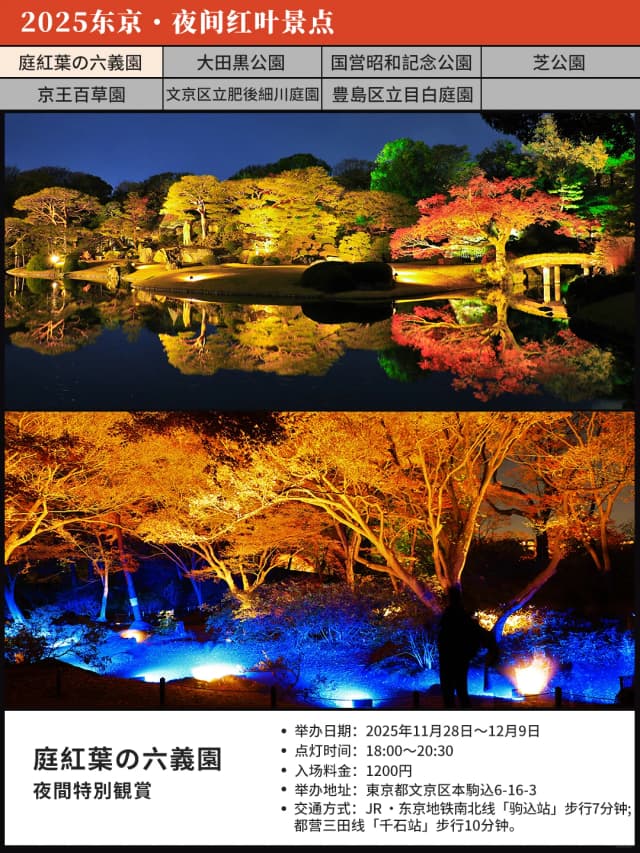
  • Autumn: From late November to early December, the city is ablaze with the colors of autumn leaves. Parks like Shinjuku Gyoen, Ueno Park, and the Jingu Gaien Ginkgo Avenue become prime spots for foliage viewing. Some parks, such as Rikugien Garden, even host special nighttime illuminations.
  • Winter: The city sparkles with festive spirit during the Christmas season. European-style Christmas markets pop up in places like Meiji Jingu Gaien and Shiba Park, offering hot wine, German sausages, and handcrafted gifts against the backdrop of beautifully illuminated landmarks.

Easy Day Trips from Tokyo

  • Kamakura: Just an hour's train ride away, this coastal city offers a relaxed atmosphere with its famous Great Buddha, numerous temples, and the scenic Enoshima Electric Railway that runs along the coast—a must-see for fans of the anime Slam Dunk.
  • Hakone: A popular mountain resort town known for its hot springs (onsen), art museums, and stunning views of Mount Fuji from across Lake Ashi.
  • Mount Fuji Area: While climbing the mountain is only possible in summer, the surrounding Five Lakes region, particularly Lake Kawaguchiko, offers breathtaking views of Fuji-san year-round. You can explore the area via bus from Shinjuku. Find more travel ideas at Japan Travel Official.
The Christmas market at Meiji Jingu Gaien is my number one favorite—it's Tokyo's largest, with a super festive atmosphere and dozens of charming wooden stalls!

"The Christmas market at Meiji Jingu Gaien is my number one favorite—it's Tokyo's largest, with a super festive atmosphere and dozens of charming wooden stalls!"

@TR丨租车

Essential Know-How for a Smooth Stay

Living in Tokyo, even temporarily, involves navigating a unique set of customs and practicalities. Keeping a few key tips in mind will make your daily life much smoother and more enjoyable.

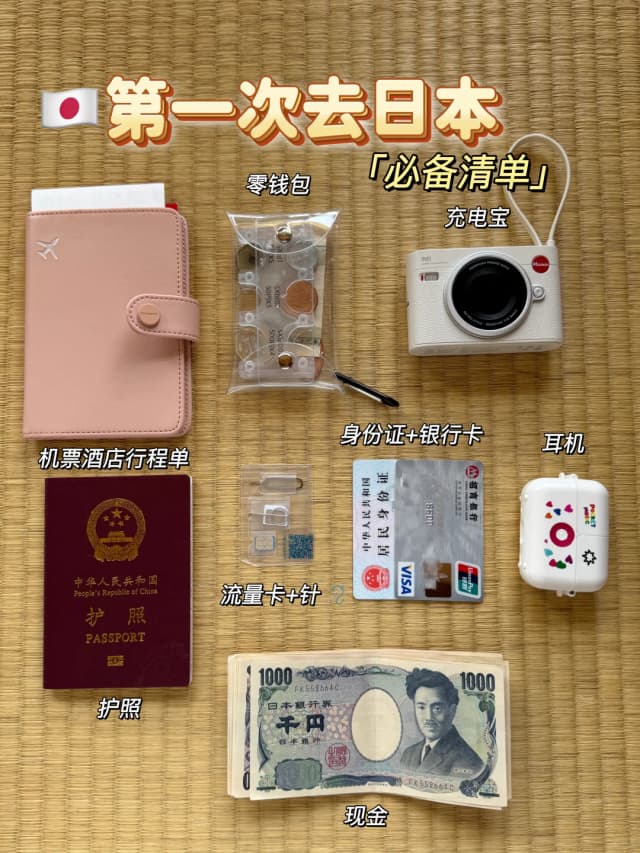
  • Payment Methods: While Japan is traditionally a cash-based society, this is changing. Major stores, restaurants, and hotels widely accept credit cards (Visa is very common). Mobile payment systems like Alipay are also becoming more prevalent in tourist-heavy areas and department stores. However, many smaller local eateries, temples, and market stalls still operate on a cash-only basis. It's always wise to carry a sufficient amount of yen, especially coins for vending machines and lockers.

  • Managing Trash: One of the first things you'll notice is the striking lack of public trash cans. The local custom is to carry your own trash with you until you get home or find a bin, which are usually located inside convenience stores or train stations. It’s a good habit to carry a small plastic bag for this purpose.

  • Electronics and Power: Japan uses two-pronged, flat plugs (Type A) with a voltage of 100V. This is different from many other parts of the world. While most modern electronics like laptops and phone chargers are built to handle a range of voltages, you will need a simple plug adapter. It's also a good idea to bring a power strip or multi-port charger, as hotel rooms and apartments can sometimes have a limited number of outlets.

  • The Art of Planning Ahead: Japan is a country that values planning. Many popular restaurants (especially high-end ones), special museum exhibitions, and famous attractions like Shibuya Sky or the Ghibli Museum require advance reservations, sometimes weeks or even months ahead. As a long-term resident, you have the advantage of being able to plan flexibly, but it's crucial to get into the habit of booking sought-after experiences in advance to avoid disappointment. Check out official tourism sites for booking information.

  • Luggage Forwarding (Takuhaibin): If you plan to move between locations during your stay or take a multi-day trip, Japan’s luggage forwarding services are a lifesaver. Services like Yamato Transport (often called 'Kuroneko' or 'Black Cat') can ship your large suitcases from one address to another, usually overnight. This allows you to travel light and is an incredibly convenient service that is widely used locally.

Japan will punish everyone who doesn't make a reservation!

"Japan will punish everyone who doesn't make a reservation!"

@墨星✨繁天

Related Questions

What is the most important decision for a long-term stay in Tokyo?

According to the guide, the single most important decision you'll make is choosing your neighborhood, as each district has its own unique character and lifestyle.

What is the most important train line for a Tokyo resident?

The JR Yamanote Line is arguably the most important train line, as it runs in a loop connecting most of the city's major hubs like Shinjuku, Shibuya, and Tokyo Station.

Which Tokyo neighborhoods are best for those who love urban energy?

Shinjuku and Shibuya are recommended for urbanites. Shinjuku is a major transportation and commercial hub, while Shibuya is the heart of youth culture and trends.

Where should I live in Tokyo to experience traditional culture?

For a taste of tradition and old Tokyo, the Taito ward, particularly Asakusa, is recommended. It is home to the famous Senso-ji Temple and offers a slower pace of life.

What is an essential item for using public transportation in Tokyo?

A rechargeable smart card like a Suica or Pasmo is indispensable. It can be used for nearly all train and bus lines and also functions as a digital wallet in many stores.

Which area in Tokyo is known for its luxury shopping and department stores?

Ginza, located in the Chuo ward, is Tokyo's premier upscale shopping district. It is home to flagship luxury brands and prestigious department stores like Mitsukoshi and Wako.

What is a good Tokyo neighborhood for vintage clothing and a bohemian vibe?

Shimokitazawa is a must-visit for lovers of vintage clothing. The neighborhood is filled with second-hand stores, independent record shops, and quirky cafes.

Which park in Tokyo features three different garden styles?

Shinjuku Gyoen National Garden is one of Tokyo's largest parks and features three distinct styles: a traditional Japanese landscape, a formal French garden, and an English landscape garden.

Which Tokyo ward is known for its international feel and large expatriate community?

Minato ward, which includes areas like Roppongi and Azabu, has a distinctly international feel. It hosts many embassies, corporate headquarters, and a large expat community.

What is a practical tip for managing trash while out in Tokyo?

Public trash cans are rare in Tokyo, so the local custom is to carry your trash with you until you get home or find a bin inside a convenience store or train station.

Related Articles

Sources

[1]

一张图带你了解东京23区

https://www.xiaohongshu.com/explore/68e87f...

[2]

🇯🇵东京买房,终于有人把东京房子说明白了

https://www.xiaohongshu.com/explore/6896ec...

[3]

超实用!东京➕周边旅行超详细攻略来啦

https://www.xiaohongshu.com/explore/685bd0...

[4]

第一次去东京怎么玩这篇攻略帮你省下1w日元

https://www.xiaohongshu.com/explore/68c948...

[5]

第一次去东京怎么玩这篇攻略帮你省下1w日元

https://www.xiaohongshu.com/explore/68c948...

[6]

超实用!东京➕周边旅行超详细攻略来啦

https://www.xiaohongshu.com/explore/685bd0...

[7]

刚从日本回来,总结了一份保姆级攻略

https://www.xiaohongshu.com/explore/68a43f...

[8]

Tokyo | 本J人对自己的东京攻略满意到不行

https://www.xiaohongshu.com/explore/684582...

[9]

🗼东京塔附近日本烤肉我必须推荐这家

https://www.xiaohongshu.com/explore/68f770...

[10]

京都\东京吃肉记录(二)🍖

https://www.xiaohongshu.com/explore/68a581...

[11]

在东京超推荐的三家餐厅🍣🥩🍜

https://www.xiaohongshu.com/explore/6842c0...

[12]

Tokyo | 一周东京美食记录📝不踩雷版

https://www.xiaohongshu.com/explore/684979...

[13]

东京自由行必去❗15个热门景点完整攻略

https://www.xiaohongshu.com/explore/68a5ca...

[14]

🇯🇵喜报!!东京筑地市场没踩雷的一顿饭!!

https://www.xiaohongshu.com/explore/68ddec...

[15]

🇯🇵东京人均240🍣米其林1星omakase吃到饱

https://www.xiaohongshu.com/explore/68b9a3...

[16]

Tokyo | 本J人对自己的东京攻略满意到不行

https://www.xiaohongshu.com/explore/684582...

[17]

东京自由行必去❗15个热门景点完整攻略

https://www.xiaohongshu.com/explore/68a5ca...

[18]

东京高效逛街购物去哪里?去这6个地方就够啦

https://www.xiaohongshu.com/explore/68e100...

[19]

东京一定要来下北泽逛Vintage店

https://www.xiaohongshu.com/explore/69217b...

[20]

来东京旅游,哪里能搞到又便宜又好的东西?

https://www.xiaohongshu.com/explore/68dd49...

[21]

🛍️日本银座逛街看这篇就够啦!

https://www.xiaohongshu.com/explore/68528c...

[22]

东京自由行必去❗15个热门景点完整攻略

https://www.xiaohongshu.com/explore/68a5ca...

[23]

10.4 live📍东京漫步🌧️雨中的言叶之庭!!

https://www.xiaohongshu.com/explore/68e098...

[24]

关东旅游攻略,10天玩转东京、镰仓、富士山

https://www.xiaohongshu.com/explore/6861be...

[25]

🍁2025东京夜间红叶景点合集

https://www.xiaohongshu.com/explore/6916f1...

[26]

东京超适合过圣诞的几个地方🎄

https://www.xiaohongshu.com/explore/690c86...

[27]

刚从日本回来,总结了一份保姆级攻略

https://www.xiaohongshu.com/explore/68a43f...

[28]

🇯🇵一个人勇闯日本30次总结出的!!(最新版)

https://www.xiaohongshu.com/explore/68792c...

[29]

🥵日本会惩罚每一个不预约的人!!

https://www.xiaohongshu.com/explore/6846a3...