Home
Experiences

A Photographic Tour of Omoide Yokocho and Golden Gai at Night

8 SourcesUpdated November 30, 2025

TL;DR

Embark on a nighttime photographic journey through Shinjuku’s most atmospheric alleys. Explore the smoky, nostalgic barbecue stalls of Omoide Yokocho and get lost in the labyrinthine network of tiny, lantern-lit bars in Golden Gai. This tour captures the vibrant, electric soul of Tokyo after dark.

Introduction: Shinjuku's Timeless Glow

When the sun sets over Tokyo, the district of Shinjuku awakens, transforming into the city's quintessential 'not-so-sleepy city.' It's a sprawling urban theater where towering department stores give way to a labyrinth of glowing streets, each buzzing with a unique energy. For the photographer and the urban explorer, Shinjuku at night is a treasure trove of atmospheric scenes, a place where the pulse of modern Tokyo beats strongest. Amidst the futuristic gleam and bustling crowds, two enclaves stand out as portals to a bygone era: Omoide Yokocho and Golden Gai.

These are not your typical tourist attractions; they are living, breathing remnants of post-war Tokyo, dense with character and steeped in history. Omoide Yokocho, or 'Memory Lane,' is a smoky, narrow alleyway packed with tiny barbecue stalls, while Golden Gai is a warren of minuscule bars, each with its own distinct personality. Together, they offer an unparalleled photographic journey into the soul of Shinjuku's nightlife. This tour is for those who seek to capture the interplay of light and shadow, the intimate moments of city life, and the nostalgic charm that thrives under the neon glow of Japan's largest entertainment district. Prepare to wander through narrow passages where every corner reveals a new story, a new composition, and a new reason to fall in love with Tokyo after dark.

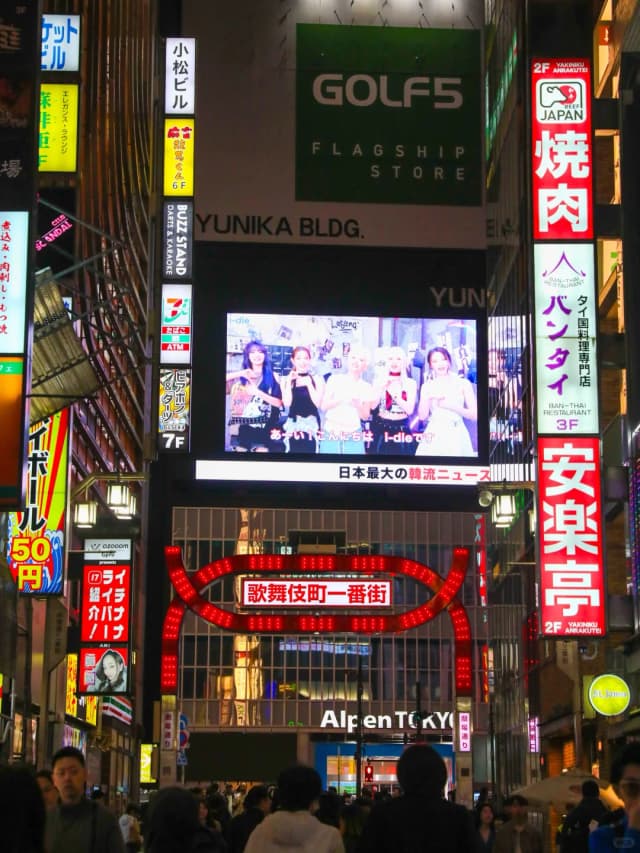
In Japan's largest entertainment district, the intense neon colors of the night are an experience you must have.

"In Japan's largest entertainment district, the intense neon colors of the night are an experience you must have."

@TR丨租车

Omoide Yokocho: Capturing the Scent of Memory Lane

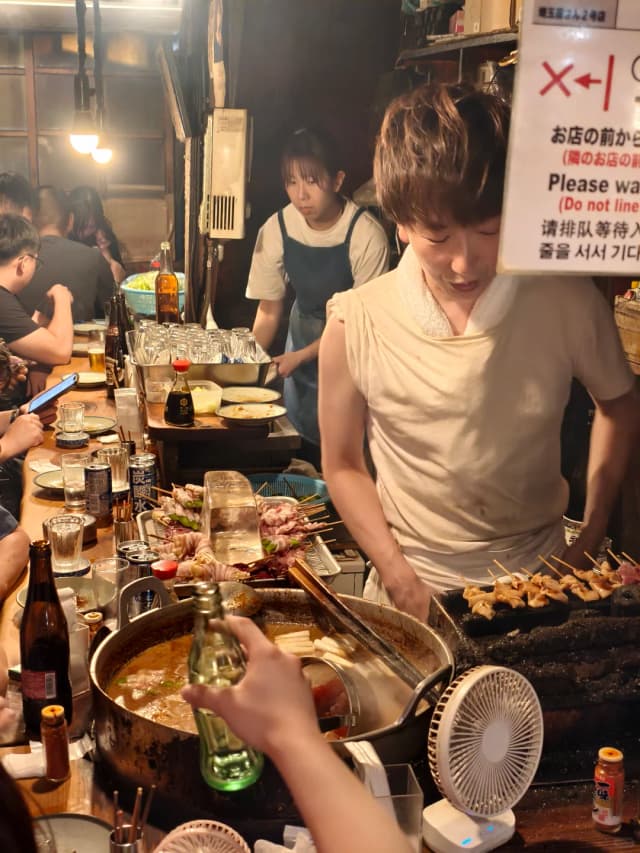
Just a stone's throw from the bustling Shinjuku Station lies Omoide Yokocho, a place whose name translates to 'Memory Lane.' It's a fitting moniker for an alley that feels like a tangible piece of history. The moment you step into this narrow thoroughfare, you are enveloped in a fragrant haze of grilling meat and the warm, inviting glow of paper lanterns. This is the heart of old Shinjuku's culinary scene, a dense collection of tiny barbecue izakayas that have been serving locals and travelers for decades.

For a photographer, Omoide Yokocho is a sensory and visual feast. The challenge and reward lie in capturing its cramped, intimate atmosphere. Light is scarce but dramatic, filtering through the steam and smoke, illuminating the faces of patrons huddled around small counters. The entire street is a study in texture and warmth, from the aged wooden storefronts to the sizzling skewers of yakitori.

One traveler, XxQ., describes it as a street full of barbecue shops that you can find by searching for '思い出横丁' on Google Maps. They recount an unforgettable experience at a particular shop, Shinjuku Sasamoto, distinguished by a pig sign above its entrance. Here, the skewers are first braised and then grilled, creating an incredible aroma and flavor. This is the kind of detail that brings a photograph to life—not just the image of the food, but the story of its preparation and the authentic experience of dining in such a historic spot.

To best capture this area:

  • Use a fast lens to make the most of the low light.
  • Focus on details: the grilling process, the hands of the chefs, the expressions of diners.
  • Embrace the smoke and steam as elements of your composition; they add a dreamy, cinematic quality to the images.
  • Arrive before 6 PM to avoid the longest queues and to capture the transition as the last light of day gives way to the glow of the lanterns.
Just when I was about to be disappointed with Japanese yakitori, I found this spot—I still miss it so much even now!

"Just when I was about to be disappointed with Japanese yakitori, I found this spot—I still miss it so much even now!"

@XxQ.

Golden Gai and Kabukicho: A Neon Labyrinth

A short walk from Omoide Yokocho transports you into another world entirely: the interconnected realms of Golden Gai and Kabukicho. If Memory Lane is about smoky flavors, this area is about the intoxicating glow of neon and the allure of hidden bars. Shinjuku Golden Gai is a fascinating maze of narrow alleys, packed with tiny, eclectic bars and eateries, each barely large enough to seat a handful of people. It's a preserved pocket of Showa-era architecture, standing in stark contrast to the modern skyscrapers surrounding it.

Photographically, Golden Gai is a dream. The narrowness of the streets creates natural frames, while the eclectic collection of signs, lanterns, and doorways provides endless subjects. The low light and vibrant colors challenge you to be creative, capturing the secretive and exclusive atmosphere of its many establishments. It is a place to document the quiet conversations and the unique character of each tiny bar.

Golden Gai is nestled within the larger, more bombastic Kabukicho, known as Japan's largest entertainment district. Here, the visual language shifts from intimate and nostalgic to bold and overwhelming. The streets are awash with the intense light of towering neon signboards, creating a scene straight out of a cyberpunk film. As one visitor notes, the area is best photographed during the 'blue hour' just after sunset, when the fading daylight balances perfectly with the artificial city lights, creating a deeply atmospheric and colorful canvas. Don't miss the iconic Kabukicho Ichiban-gai gate or the massive Godzilla head peering over a nearby building, both quintessential Shinjuku photo opportunities.

Navigating this area is an experience in itself. It is a hub of restaurants, clubs, and bars where Tokyo's nightlife is on full display. While Omoide Yokocho offers a taste of the past, Golden Gai and Kabukicho provide a full immersion into the vibrant, electric, and sometimes surreal present of Shinjuku after dark. It’s a visual narrative of contrast—the old versus the new, the quiet side street versus the roaring main drag—making it an essential destination for any photographer aiming to capture the multifaceted soul of Tokyo.

Kabukicho's neon signs have an incredible atmosphere; for the best photos, go in the evening during the 'blue hour'.

"Kabukicho's neon signs have an incredible atmosphere; for the best photos, go in the evening during the 'blue hour'."

@东行西晃

Related Questions

What is Shinjuku's nickname after the sun sets?

When the sun sets, Shinjuku is known as Tokyo's quintessential 'not-so-sleepy city,' transforming into a sprawling urban theater.

What does the name 'Omoide Yokocho' translate to?

The name 'Omoide Yokocho' translates to 'Memory Lane,' a fitting moniker for an alley that feels like a tangible piece of history.

What kind of food is Omoide Yokocho known for?

Omoide Yokocho is known for its dense collection of tiny barbecue izakayas that serve sizzling skewers of yakitori.

What is the Shinjuku Golden Gai area famous for?

Shinjuku Golden Gai is a fascinating maze of narrow alleys, famous for being packed with tiny, eclectic bars, each with its own distinct personality.

Which area in Shinjuku is described as having a cyberpunk feel?

Kabukicho, Japan's largest entertainment district, is described as having a scene straight out of a cyberpunk film due to its towering neon signboards.

What historical period are Omoide Yokocho and Golden Gai remnants of?

Both Omoide Yokocho and Golden Gai are described as living, breathing remnants of post-war Tokyo, steeped in history.

What is a key photography tip for capturing the atmosphere of Omoide Yokocho?

A key photography tip for Omoide Yokocho is to use a fast lens to handle the low light and to embrace the smoke and steam as compositional elements.

What iconic monster landmark can be seen in Kabukicho?

A massive Godzilla head can be seen peering over a nearby building in Kabukicho, offering a quintessential Shinjuku photo opportunity.

When is the ideal time to photograph Kabukicho's neon lights?

The ideal time to photograph Kabukicho is during the 'blue hour' just after sunset, when the fading daylight balances perfectly with the artificial city lights.

How is the architecture of Golden Gai described?

Golden Gai's architecture is described as a preserved pocket of the Showa-era, standing in stark contrast to the modern skyscrapers that surround it.

Related Articles

Sources

[1]

东京自由行必去❗15个热门景点完整攻略

https://www.xiaohongshu.com/explore/68a5ca...

[2]

🇯🇵让我难忘的小破店

https://www.xiaohongshu.com/explore/6902fa...

[3]

2025暑假去东京涩谷&新宿旅游攻略地图

https://www.xiaohongshu.com/explore/68a845...

[4]

2025暑假去东京涩谷&新宿旅游攻略地图

https://www.xiaohongshu.com/explore/68a845...

[5]

2025暑假去日本东京新宿旅游购物路线攻略

https://www.xiaohongshu.com/explore/688216...

[6]

第一次去东京怎么玩这篇攻略帮你省下1w日元

https://www.xiaohongshu.com/explore/68c948...

[7]

东京自由行必去❗15个热门景点完整攻略

https://www.xiaohongshu.com/explore/68a5ca...

[8]

东京涩谷超详细逛街攻略‼️看这篇就够啦🤗

https://www.xiaohongshu.com/explore/684191...