Home
Experiences

A Visitor's Guide to Senso-ji Temple and Asakusa Shrine

43 SourcesUpdated November 30, 2025

TL;DR

Explore Asakusa, home to Tokyo's oldest temple, Senso-ji. This guide covers everything from the iconic Kaminarimon gate and traditional rituals to the best street food on Nakamise-dori. Discover tips on kimono rentals, photo spots, and planning your visit to this culturally rich and vibrant district.

An Introduction to Asakusa's Enduring Charm

Nestled in the heart of Taito-ku, Tokyo's northeastern ward, lies the vibrant district of Asakusa, a place where the city's fast-paced modernity gives way to the enduring charm of old Edo. Asakusa serves as a captivating portal to Japan's rich history and cultural traditions, making it an essential stop for any visitor to Tokyo. The district's crowning jewel is the magnificent Senso-ji Temple, renowned as Tokyo's oldest and most significant Buddhist temple. Its history, palpable atmosphere, and stunning architecture draw countless visitors who come to witness its grandeur and partake in its spiritual traditions.

The entire area exudes a classic Edo-period atmosphere, a stark but welcome contrast to the neon-lit skyscrapers of Shinjuku and Shibuya. A visit here is more than just sightseeing; it's an immersive cultural experience. Adjacent to the bustling temple grounds stands the serene Asakusa Shrine, a Shinto shrine that coexists peacefully with its Buddhist neighbor, forming a sacred complex that tells a deeper story of Japan's religious syncretism. While Senso-ji captures most of the attention with its scale and vibrant energy, the presence of the shrine adds another layer of spiritual significance to the area. This guide will walk you through the essential experiences at Senso-ji Temple and the surrounding Asakusa district, from its iconic landmarks to its delectable culinary scene, ensuring you make the most of your visit to this unforgettable corner of Tokyo.
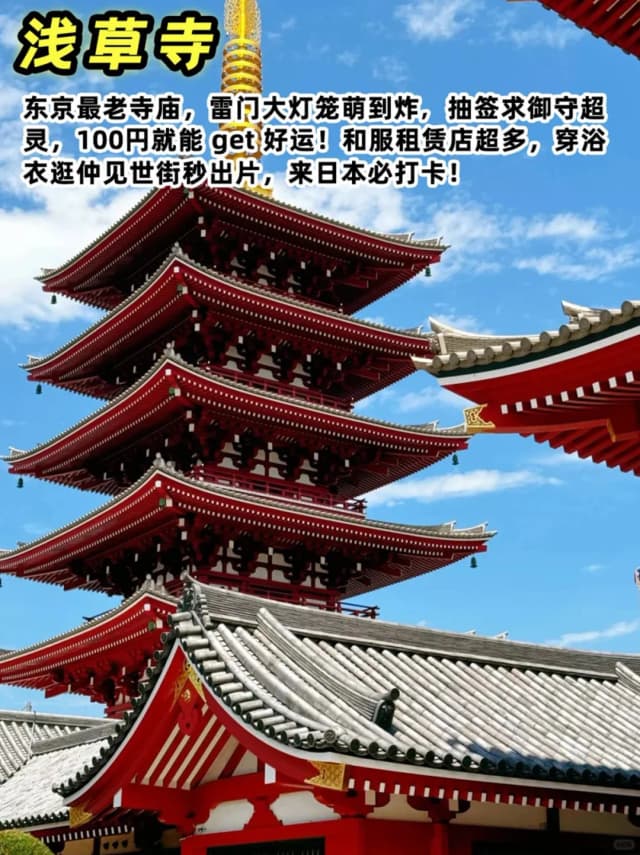
Discover Tokyo's historic Taito Ward, home to the iconic Asakusa district, Ueno's vast parks, and countless museums.

"Discover Tokyo's historic Taito Ward, home to the iconic Asakusa district, Ueno's vast parks, and countless museums."

@TR丨租车

The Main Attraction: Exploring Senso-ji Temple

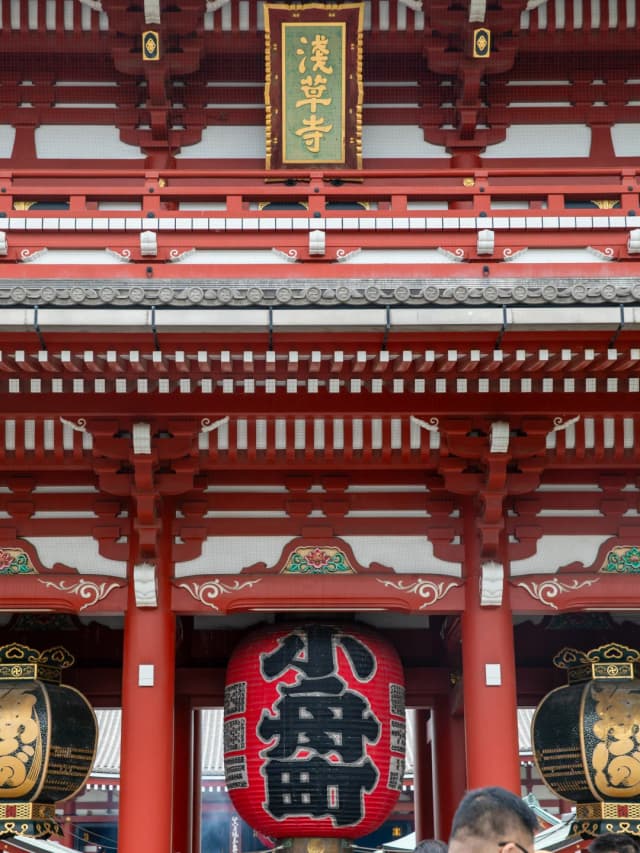
The journey into Senso-ji begins at its most famous landmark: the Kaminarimon, or "Thunder Gate." This imposing entrance is impossible to miss, distinguished by its colossal red paper lantern, which has become a symbol of Asakusa and Tokyo itself. This is a classic photo opportunity, but be prepared for crowds. For a clearer shot, consider arriving before 8:00 or 9:00 AM, as the area becomes significantly busier later in the day. Another clever trick is to take your photo from across the street to capture the gate's full scale while minimizing the crowds in your frame.

Once you pass through the Kaminarimon, you'll find yourself on the Nakamise-dori, a bustling 250-meter-long shopping street that leads directly to the temple's main hall. This historic promenade is lined with stalls selling everything from traditional snacks and souvenirs to handcrafted goods. It's a sensory delight and an integral part of the Senso-ji experience. As you make your way toward the main hall, take your time to browse the shops and soak in the lively atmosphere.

At the temple itself, you can participate in several traditional practices. Many visitors come to pray and make wishes. You can also try your hand at omikuji, a form of fortune-telling. For a small offering (often requiring cash), you can draw a numbered stick from a container and receive a corresponding paper fortune. If you receive a good fortune, you should keep it. If you draw a bad one, it is customary to fold it up and tie it to a designated rack on the temple grounds to leave the bad luck behind. This timeless ritual offers a fascinating glimpse into local customs. Best of all, there is no entrance fee to explore the main temple grounds, which are generally open from 6:00 AM to 5:00 PM. For more information on temple etiquette, you can visit resources like this guide to visiting temples.

The giant lantern at Senso-ji's Kaminarimon Gate is a must-see photo spot—get there before 8 AM to beat the crowds!

"The giant lantern at Senso-ji's Kaminarimon Gate is a must-see photo spot—get there before 8 AM to beat the crowds!"

@TR丨租车

Dressing the Part: The Kimono Experience in Asakusa

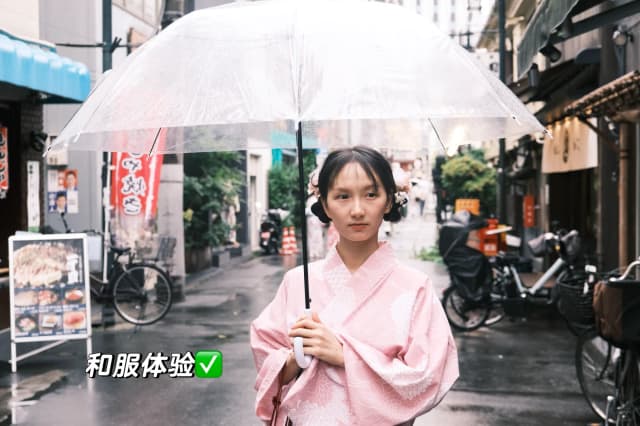
To fully immerse yourself in the historic ambiance of Asakusa, consider renting a traditional kimono or a lighter summer yukata for your visit. Strolling through the ancient temple grounds and along the bustling Nakamise-dori while dressed in these beautiful garments is a popular activity for both locals and tourists, and for good reason. It enhances the feeling of stepping back in time and provides an unparalleled opportunity for stunning photographs against the backdrop of Senso-ji's traditional architecture.

Asakusa is one of the best places in Tokyo for this experience, with numerous rental shops located just outside the temple grounds. These shops offer a wide variety of designs and colors for men, women, and children, ensuring everyone can find something that suits their style. A typical rental package includes:

  • A complete kimono or yukata set, including the main robe, obi (sash), and other necessary undergarments.
  • Traditional footwear (zori or geta) and a matching small bag to carry your essentials.
  • Professional dressing assistance to ensure you are properly and comfortably attired.
  • Optional hairstyling services, often for an additional fee, to complete your look with an elegant updo and decorative hairpins (kanzashi).

According to one visitor, renting a kimono near the temple can cost around 200+ RMB, which is a reasonable price for such a memorable cultural activity. Remember to bring cash, as some smaller shops or services like hairstyling might require it. Once dressed, you'll find that every corner of Asakusa becomes a picturesque photo spot. The vibrant colors of your kimono will stand out beautifully against the temple's vermilion structures and the traditional storefronts, making your photos truly special. It's an activity that transforms a simple visit into an unforgettable cultural deep dive. For inspiration, you can search for kimono styles online before you go.

Wearing a kimono to draw a fortune at Asakusa Temple is an incredible vibe; the famous lantern is perfect for photos!

"Wearing a kimono to draw a fortune at Asakusa Temple is an incredible vibe; the famous lantern is perfect for photos!"

@寻野东瀛丨小野

A Culinary Pilgrimage: What to Eat in Asakusa

Asakusa is as much a destination for food lovers as it is for history buffs. The streets surrounding Senso-ji Temple are a treasure trove of culinary delights, from quick street snacks to world-class sweet treats. Be sure to bring cash, as many of the smaller stalls and vendors operate on a cash-only basis.

Street Food and Savory Snacks Your food journey begins on Nakamise-dori, where generations-old shops serve up classic treats. Keep an eye out for these must-try items:

  • Ningyo-yaki: These are small, doll-shaped cakes filled with sweet red bean paste, a signature snack of the area.
  • Asakusa Menchi: A highly recommended savory bite, this is a deep-fried ground wagyu beef cutlet that is juicy on the inside and perfectly crispy on the outside.
  • Eel Rice Balls: Another delicious and convenient snack to enjoy while exploring.
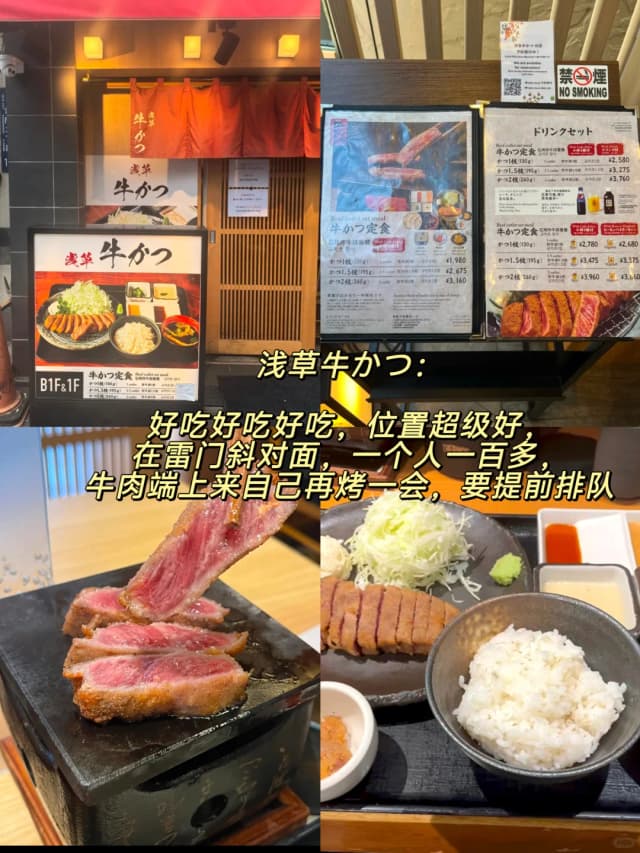
  • Asakusa Gyukatsu: For something more substantial, try the fried beef cutlets, which are crispy on the outside and rare inside. They are often served with a small stone grill for you to cook the beef to your desired doneness.

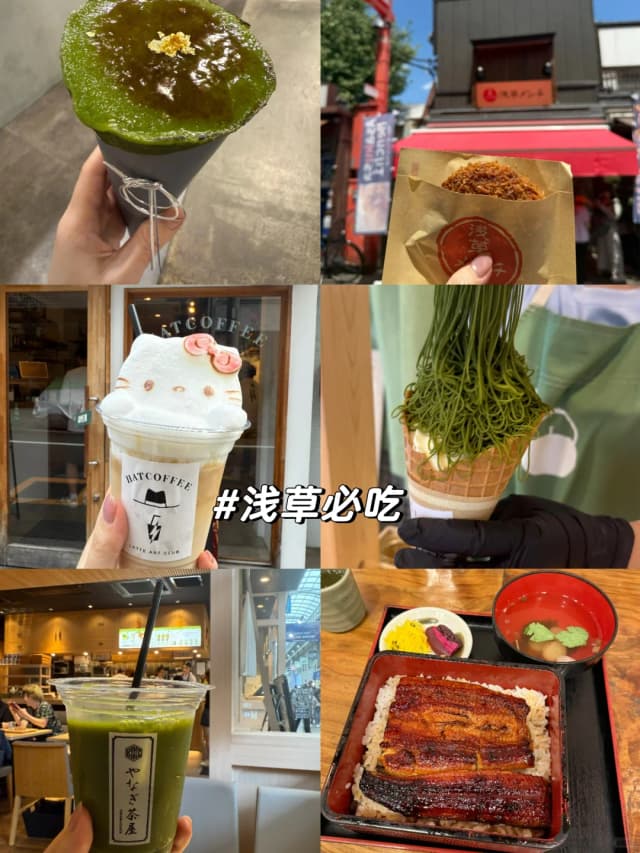
Irresistible Desserts and Sweets A paradise for those with a sweet tooth, Asakusa offers a fantastic array of desserts, especially those featuring matcha.

  • Matcha Crepe at Asakusa Chaya Tabenonoshi: This popular spot serves an incredible crepe with a caramelized top layer, filled with ice cream and strawberry crisps, all wrapped in a matcha-flavored crepe.
  • Matcha Mont Blanc at Chacha Futatsume: A unique take on the classic dessert, this matcha-flavored Mont Blanc is a visual and culinary delight.
  • Matcha Gelato at Suzukien: Famous for offering the world's most intense matcha gelato, this shop serves seven different levels of matcha intensity, allowing you to choose from subtly sweet to powerfully bitter.
  • Asakusa Silk Pudding: Known for its incredibly smooth, silky texture and a perfectly balanced caramel layer.

Cafes for a Well-Deserved Break When you need a rest from walking, Asakusa's cafes offer a cozy retreat.

  • Fuglen Asakusa: A renowned coffee shop perfect for a high-quality brew.
  • Hat Coffee: If you're looking for something whimsical, this cafe is famous for its adorable 3D latte art, including Hello Kitty designs.

Exploring Asakusa's food scene is an adventure in itself. Each bite tells a story of tradition and craftsmanship, making it a truly delicious part of your Tokyo journey.

Stumbled upon a shop with a long line—their freshly fried wagyu cutlet is perfectly crispy on the outside, tender on the inside, and so delicious!

"Stumbled upon a shop with a long line—their freshly fried wagyu cutlet is perfectly crispy on the outside, tender on the inside, and so delicious!"

@懒鹅日韩漫游记

Asakusa's Sit-Down Dining Scene

Beyond the quick bites and sweet treats, Asakusa boasts a fantastic selection of restaurants perfect for a leisurely lunch or dinner. Whether you're craving traditional Japanese staples or a hearty grilled meal, you'll find plenty of options to satisfy your appetite.

For a classic Japanese dining experience, eel is a local specialty. One visitor recommended Unagi O-shokujidokoro Kutora, an unassuming Japanese-style house that serves delicious grilled eel over rice (unagi-don). The eel is noted for its crispy texture and rich flavor, and the restaurant typically doesn't have long queues, making it a great choice for a relaxed meal.

If you're a fan of beef, Asakusa has you covered. Asakusa Ushimitsu is a spot known for its premium wagyu rice bowls, offering a taste of luxury. For a more interactive meal, Asakusa Gyukatsu provides fried beef cutlets that you can grill to your liking on a personal stone hotplate. For those seeking a barbecue feast, Yakiniku King has a branch in Asakusa offering a wide range of grilled meats. The area is even home to a halal-certified option, Ninja Yakiniku Wagyu Asakusa Halal Restaurant, ensuring that more visitors can enjoy high-quality Japanese barbecue.

For a truly indulgent meal, consider booking a table at Imaban Bekkan, a famous restaurant specializing in sukiyaki. This classic Japanese hot pot dish, featuring thinly sliced beef cooked in a sweet soy-based broth, is a quintessential Japanese comfort food. Finally, for sushi lovers, there is Asakusa ASA Tora, a local sushi establishment that promises fresh and expertly prepared seafood. From casual eateries to refined dining, Asakusa’s restaurant scene provides a delicious counterpoint to its bustling street food culture. Find your next favorite restaurant on a site like Tabelog.

A unique dining experience: the beef cutlets are served crispy on the outside and raw inside, letting you grill them yourself on a stone hotplate.

"A unique dining experience: the beef cutlets are served crispy on the outside and raw inside, letting you grill them yourself on a stone hotplate."

@毛毛

Views and Ventures Beyond the Temple

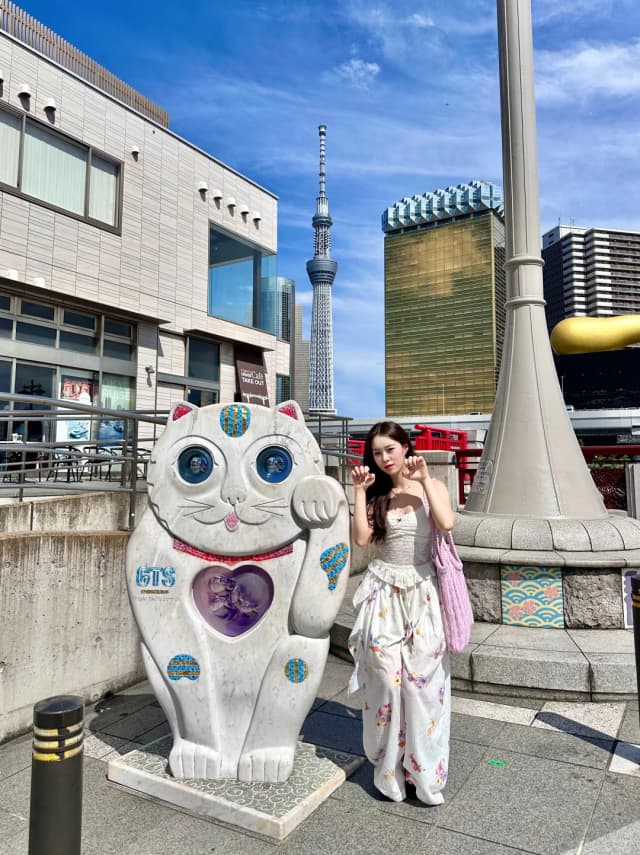
While Senso-ji is the main draw, the Asakusa area offers several other attractions that are well worth your time and are often included in a day's itinerary. One of the most prominent is the Tokyo Skytree, which looms majestically in the distance. This modern marvel provides a stunning contrast to the traditional temple. You don't have to go far for a great photo; from Asakusa, you can capture beautiful shots of the Skytree with the temple's pagoda or the iconic Asahi Beer Hall headquarters (the building with the golden flame) in the foreground. One traveler shared a tip: for a fun photo with the Skytree, find the small cat statue to the right of the Asakusa Station exit. The Skytree is just a 15-20 minute walk or one subway stop from Asakusa, making it an easy addition to your visit.

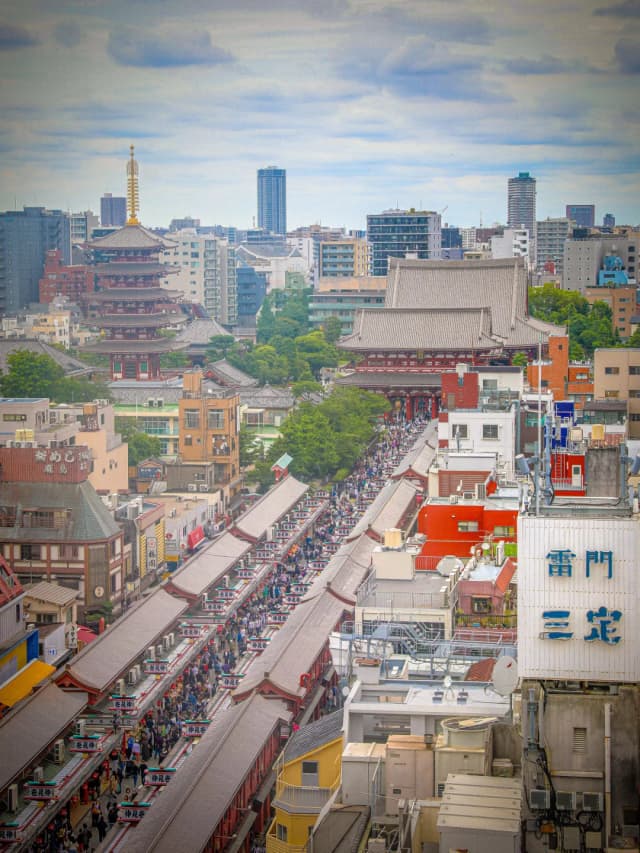
For a different kind of view, head to the Asakusa Culture Tourist Information Center. Located directly across from the Kaminarimon Gate, this architecturally striking building designed by Kengo Kuma has a free observation deck on its 8th floor. From here, you can enjoy a fantastic panoramic view of Senso-ji Temple, the entire length of Nakamise-dori, and the surrounding cityscape, with the Skytree visible in the background. It’s an excellent spot to appreciate the layout of the area and get some incredible photos.

Asakusa also serves as a convenient starting point for exploring other nearby districts. Many visitors create a day trip that combines the traditional culture of Asakusa with the unique character of neighboring areas. A popular combination includes:

  • Ueno Park: Home to several museums, a zoo, and beautiful scenery, especially during cherry blossom season.
  • Akihabara: The world-famous hub for anime, manga, and electronics, offering a complete change of pace from Asakusa's historic atmosphere.

Finally, don't forget to check out the local shops. Near the temple, you'll find an official Sanrio store, perfect for picking up cute souvenirs and character goods. Exploring these nearby sights can round out your visit and give you a broader appreciation for this diverse part of Tokyo.

For a fun photo with the Skytree, find the small cat statue to the right of the Asakusa Station exit.

"For a fun photo with the Skytree, find the small cat statue to the right of the Asakusa Station exit."

@弥生Misa

Practical Tips for Your Asakusa Visit

To make your trip to Senso-ji Temple and the Asakusa area as smooth and enjoyable as possible, here are a few practical tips based on the experiences of fellow travelers.

When to Go and How Long to Stay Timing can significantly impact your experience. To avoid the largest crowds, especially at the iconic Kaminarimon Gate, it's highly recommended to visit early in the morning. Several visitors suggest arriving before 8:00 or 9:00 AM. The temple grounds open at 6:00 AM, giving early risers a peaceful window to explore. A quick visit to the main sights can be done in about an hour, but if you want to explore the shops, try some food, and really soak in the atmosphere, plan to spend around two to three hours in the area.

What to Bring While Japan is a technologically advanced country, cash is still king in many traditional settings. Many of the food stalls along Nakamise-dori, smaller souvenir shops, and temple activities like drawing omikuji fortunes or renting a kimono require Japanese Yen. It’s always a good idea to have a sufficient amount of cash on hand.

Where to Stay Asakusa is not just a great place to visit; it's also an excellent area to stay. Accommodation here is often more affordable compared to central hubs like Shinjuku or Shibuya. Its location in northeastern Tokyo makes it particularly convenient for travelers arriving from Narita International Airport. With its high cost-performance and great transport links, Asakusa is a practical and charming base for your Tokyo adventures.

Planning Your Day Asakusa is a perfect starting point for a day of exploration in Tokyo. Its rich cultural offerings provide a wonderful contrast to the modern attractions elsewhere in the city. Many travelers pair a morning in Asakusa with an afternoon in nearby Ueno, known for its sprawling park and museums, or Akihabara, the epicenter of anime and gaming culture. By planning ahead, you can seamlessly blend the old and new, creating a truly comprehensive Tokyo experience.

Remember to bring cash for renting a kimono, trying the street food, and getting your paper fortune at Senso-ji Temple.

"Remember to bring cash for renting a kimono, trying the street food, and getting your paper fortune at Senso-ji Temple."

@LilyLily

Related Questions

What is the most famous landmark at the entrance of Senso-ji Temple?

The most famous landmark is the Kaminarimon, or "Thunder Gate." It is an imposing entrance distinguished by its colossal red paper lantern, which has become a symbol of Asakusa.

What is the name of the shopping street leading to Senso-ji Temple?

The street is called Nakamise-dori. It is a bustling 250-meter-long promenade lined with stalls selling traditional snacks, souvenirs, and handcrafted goods.

Is there an admission fee to visit the main grounds of Senso-ji Temple?

No, there is no entrance fee to explore the main grounds of Senso-ji Temple. The grounds are generally open from 6:00 AM to 5:00 PM.

What is the Japanese fortune-telling practice you can try at the temple?

You can try *omikuji*, a form of fortune-telling. For a small offering, you receive a paper fortune; good ones are kept, while bad ones are tied to a rack to leave the bad luck behind.

What is a popular way for visitors to immerse themselves in Asakusa's historic atmosphere?

A popular activity is to rent a traditional kimono or a lighter summer yukata. Strolling through the ancient temple grounds in these garments is a great way to feel like you've stepped back in time.

What are two must-try street food snacks in Asakusa?

Two must-try snacks are Ningyo-yaki, which are small doll-shaped cakes filled with red bean paste, and Asakusa Menchi, a deep-fried ground wagyu beef cutlet.

Where in Asakusa can you find the world's most intense matcha gelato?

You can find the world's most intense matcha gelato at Suzukien. The shop is famous for serving seven different levels of matcha intensity.

What is the best time to visit Kaminarimon Gate to avoid large crowds?

To avoid the largest crowds, it is highly recommended to visit early in the morning. Arriving before 8:00 or 9:00 AM provides a more peaceful experience.

Where can you get a free panoramic view of Senso-ji Temple and Nakamise-dori?

You can get a free panoramic view from the observation deck on the 8th floor of the Asakusa Culture Tourist Information Center, located directly across from the Kaminarimon Gate.

What form of payment is essential to bring when visiting Asakusa's food stalls?

It is essential to bring cash (Japanese Yen). Many of the smaller stalls, souvenir shops, and temple activities like omikuji operate on a cash-only basis.

Related Articles

Sources

[1]

东京自由行必去❗15个热门景点完整攻略

https://www.xiaohongshu.com/explore/68a5ca...

[2]

日本这九大景点!不去一定会后悔的,码住!

https://www.xiaohongshu.com/explore/685256...

[3]

🇯🇵日本|东京市区3日游绝佳路线

https://www.xiaohongshu.com/explore/68b174...

[4]

一张图带你了解东京23区

https://www.xiaohongshu.com/explore/68e87f...

[5]

东京自由行必去❗15个热门景点完整攻略

https://www.xiaohongshu.com/explore/68a5ca...

[6]

第一次去东京怎么玩这篇攻略帮你省下1w日元

https://www.xiaohongshu.com/explore/68c948...

[7]

原来🇯🇵东京真的会惩罚不做攻略的人!

https://www.xiaohongshu.com/explore/68d646...

[8]

超详细🇯🇵东京5日游行程攻略~少走弯路‼️

https://www.xiaohongshu.com/explore/6854e2...

[9]

原来东京真的会惩罚不预约的人!!

https://www.xiaohongshu.com/explore/68c3ee...

[10]

关东旅游攻略,10天玩转东京、镰仓、富士山

https://www.xiaohongshu.com/explore/6861be...

[11]

旅游|日本旅游攻略(一)东京篇

https://www.xiaohongshu.com/explore/684ba9...

[12]

超详细🇯🇵东京5日游行程攻略~少走弯路‼️

https://www.xiaohongshu.com/explore/6854e2...

[13]

🇯🇵日本|东京市区3日游绝佳路线

https://www.xiaohongshu.com/explore/68b174...

[14]

原来东京真的会惩罚不预约的人!!

https://www.xiaohongshu.com/explore/68c3ee...

[15]

日本这九大景点!不去一定会后悔的,码住!

https://www.xiaohongshu.com/explore/685256...

[16]

原来🇯🇵东京真的会惩罚不做攻略的人!

https://www.xiaohongshu.com/explore/68d646...

[17]

🇯🇵 二刷东京后,血泪复盘,应该这么玩

https://www.xiaohongshu.com/explore/68ee34...

[18]

旅游|日本旅游攻略(一)东京篇

https://www.xiaohongshu.com/explore/684ba9...

[19]

原来🇯🇵东京真的会惩罚不做攻略的人!

https://www.xiaohongshu.com/explore/68d646...

[20]

旅游|日本旅游攻略(一)东京篇

https://www.xiaohongshu.com/explore/684ba9...

[21]

东京 | 浅草寺美食推荐(附地址📍)

https://www.xiaohongshu.com/explore/689615...

[22]

快抄作业❗对我的东京攻略满意到笑出声😆

https://www.xiaohongshu.com/explore/68bc26...

[23]

东京美食暴走地图|寿喜锅到烧鸟的终极指南

https://www.xiaohongshu.com/explore/68a429...

[24]

Tokyo | 本J人对自己的东京攻略满意到不行

https://www.xiaohongshu.com/explore/684582...

[25]

东京5日深度游|新手必打卡攻略(含交通路

https://www.xiaohongshu.com/explore/6904b2...

[26]

🇯🇵在东京!!不能错过的1️⃣8️⃣家……(附地址

https://www.xiaohongshu.com/explore/6912c5...

[27]

东京 | 浅草寺美食推荐(附地址📍)

https://www.xiaohongshu.com/explore/689615...

[28]

东京美食暴走地图|寿喜锅到烧鸟的终极指南

https://www.xiaohongshu.com/explore/68a429...

[29]

🇯🇵在东京!!不能错过的1️⃣8️⃣家……(附地址

https://www.xiaohongshu.com/explore/6912c5...

[30]

本月🉑约东京高分必吃寿司店Top20

https://www.xiaohongshu.com/explore/6912db...

[31]

东京5日深度游|新手必打卡攻略(含交通路

https://www.xiaohongshu.com/explore/6904b2...

[32]

🇯🇵我的东京清真美食攻略next level

https://www.xiaohongshu.com/explore/6890b3...

[33]

Tokyo | 本J人对自己的东京攻略满意到不行

https://www.xiaohongshu.com/explore/684582...

[34]

【Tokyo一日游攻略🚶‍♀️】六大景点一次性get~

https://www.xiaohongshu.com/explore/68a553...

[35]

为了这9张图,我特地飞了一趟东京!值得吗?

https://www.xiaohongshu.com/explore/68dd10...

[36]

超级J人做出来的东京五日游攻略🇯🇵

https://www.xiaohongshu.com/explore/68c926...

[37]

东京一日游🔥 24h拿下8⃣️个热门景点(不绕路

https://www.xiaohongshu.com/explore/68ae74...

[38]

旅游|日本旅游攻略(一)东京篇

https://www.xiaohongshu.com/explore/684ba9...

[39]

第一次去东京怎么玩这篇攻略帮你省下1w日元

https://www.xiaohongshu.com/explore/68c948...

[40]

【Tokyo一日游攻略🚶‍♀️】六大景点一次性get~

https://www.xiaohongshu.com/explore/68a553...

[41]

旅游|日本旅游攻略(一)东京篇

https://www.xiaohongshu.com/explore/684ba9...

[42]

原来东京真的会惩罚不预约的人!!

https://www.xiaohongshu.com/explore/68c3ee...

[43]

超实用!东京➕周边旅行超详细攻略来啦

https://www.xiaohongshu.com/explore/685bd0...