Home
Food and Beverage

An Introduction to Kaiseki: Experiencing a Traditional Multi-Course Meal

16 SourcesUpdated November 30, 2025

TL;DR

Explore the spirit of Kaiseki, Japan's traditional multi-course meal, through Tokyo's diverse fine dining scene. This guide introduces curated experiences from high-end Omakase sushi and premium Wagyu courses to innovative French-Japanese fusion, showcasing the city's culinary artistry and dedication to quality.

The Spirit of Kaiseki in Tokyo's Modern Culinary Landscape

Kaiseki is the embodiment of Japanese haute cuisine, a traditional multi-course meal that is as much an art form as it is a dining experience. It is a meticulous journey through a progression of small, seasonal dishes, each masterfully prepared and exquisitely presented. While finding a classic Kaiseki restaurant requires careful planning, its core philosophy—a deep respect for seasonality, ingredient quality, and thoughtful course structure—permeates Tokyo's entire fine-dining scene.

For travelers seeking this elevated culinary adventure, the spirit of Kaiseki can be found in a variety of modern interpretations. In Akasaka, for instance, you can find a Michelin-starred kaiseki (known as 懷石 in Japanese) restaurant like Kien Guien, which offers a high-value experience with charcoal-grilled wagyu and rich tuna belly in private tatami rooms. However, the influence of this tradition extends far beyond dedicated kaiseki establishments. From intimate sushi counters offering omakase menus to luxurious restaurants serving course-style yakiniku and sukiyaki, Tokyo presents a rich tapestry of multi-course dining waiting to be explored. This guide will introduce you to the diverse ways you can experience a traditional, structured meal, reflecting the artistry at the heart of Japanese cuisine.
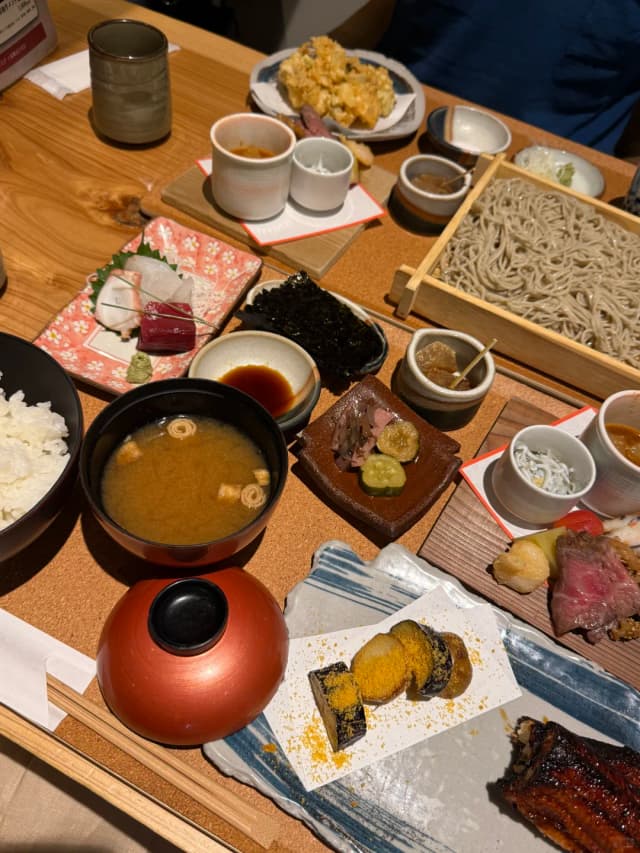
At this high-value Michelin-starred Kaiseki, the most memorable dishes were the rich, fatty tuna belly and the perfectly charcoal-grilled wagyu—crispy on the outside and tender on the inside.

"At this high-value Michelin-starred Kaiseki, the most memorable dishes were the rich, fatty tuna belly and the perfectly charcoal-grilled wagyu—crispy on the outside and tender on the inside."

@Lottie

Omakase: The Ultimate Trust in the Chef

Omakase, which translates to "I'll leave it up to you," is perhaps the most famous of Japan's course-style dining experiences. It represents a pact of trust between diner and chef, where you relinquish control and allow the master behind the counter to guide you through a symphony of seasonal bests, primarily in the realm of sushi.

One of the most noteworthy examples of an accessible yet high-quality omakase is Sushi Azabu. Located in Azabudai, this restaurant holds a Michelin star for its New York branch and offers a remarkable lunch course for around 4,800 yen. This meal consists of 14 to 17 expertly crafted pieces, providing an incredible entry point into the world of high-end sushi. The experience may include:

  • A procession of nigiri featuring different cuts of tuna, from rich, fatty o-toro to balanced chu-toro and lean akami.
  • Luscious sea urchin (uni) and glistening salmon roe (ikura) that burst with oceanic flavor.
  • Delicately prepared items like clear-fleshed red snapper, smoked bonito, and a sweet, fluffy tamagoyaki (egg omelet) to conclude the savory courses.
  • A unique dish of stone-plate tofu, showcasing the chef's versatility beyond seafood.

Tokyo's omakase scene is vast and varied. For those seeking different experiences, several other establishments are highlighted by seasoned travelers. Sushi Nakamura in Roppongi is praised for its soft, melt-in-your-mouth squid and creative appetizers. For sea urchin aficionados, Edo-mae Sushi Tsū in Nishi-Azabu offers a new-style Edomae experience with generous portions of uni. Meanwhile, Roppongi Fukuzushi provides a cozy, traditional atmosphere in a century-old setting. For a truly special occasion, Sushi Komari in Akasaka provides a comprehensive 15-piece sushi course for around 10,000 yen. The omakase philosophy even extends to other cuisines, such as at Yakitori Honda, where diners can enjoy a chef-curated course of grilled chicken skewers.

Regardless of the venue, reservations are almost always essential. Many restaurants can be booked through platforms like TableCheck, which can be accessed via Google Maps. Securing a seat at these coveted counters is the first step to an unforgettable culinary performance.

For anyone trying Omakase for the first time, Sushi Azabu is perfect—the ingredients are incredibly fresh, the chef's skill is top-notch, and the value is unbeatable.

"For anyone trying Omakase for the first time, Sushi Azabu is perfect—the ingredients are incredibly fresh, the chef's skill is top-notch, and the value is unbeatable."

@来宛饭

A Wagyu Wonderland: Course-Style Yakiniku and Sukiyaki

While often enjoyed as a more casual, communal meal, both yakiniku (grilled meat) and sukiyaki (hot pot) are elevated to fine-dining art forms in Tokyo's top establishments. Here, the focus is on showcasing the world-renowned quality of Wagyu beef through thoughtfully constructed tasting menus.

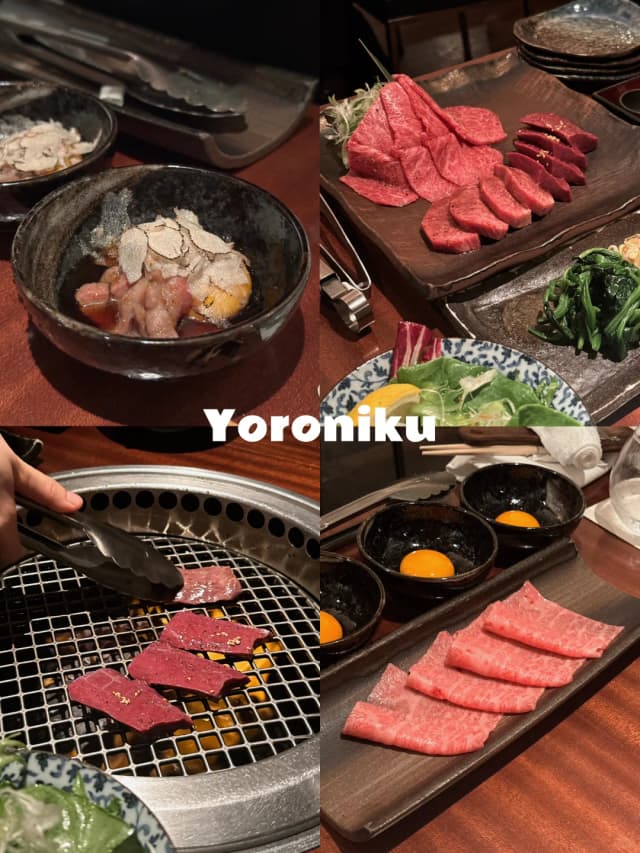
For an unforgettable yakiniku journey, Yoroniku in Minami-Aoyama is a name that commands reverence. Opting for a set course, such as the 14,400 yen menu, transforms the meal into a guided tour of premium beef. Attentive staff expertly grill each cut to perfection, presenting every piece with specific instructions on how to best enjoy its unique texture and flavor. The experience flows seamlessly from delicate appetizers to a stunning crescendo of different Wagyu preparations, concluding with dessert. Similarly, Serita offers a high-value course experience, with set menus ranging from 5,500 to 15,000 yen. Run by a couple with deep expertise in Wagyu supply, the restaurant provides an intimate and personal service where the owners themselves explain the different cuts of beef.

Sukiyaki also reaches new heights in Tokyo. At Wagyusukiyaki Kiwami, the experience is described as "next level." Here, premium A5 Wagyu is gently simmered tableside in a sweet and savory broth. The meal culminates in a luxurious finish: rice topped with a raw egg yolk and a generous shaving of fresh black truffle. For a more traditional atmosphere, century-old institutions like Moritaya, located in the Ginza Mitsukoshi department store, offer an impeccable sukiyaki where the beef simply melts in your mouth. Another time-honored establishment features kimono-clad hostesses who prepare the meal with graceful precision, a truly curative process to witness, ending with the option to cook egg into the remaining broth to pour over rice.

However, it's wise to choose your establishment carefully. One traveler shared a disappointing experience at Sukiyaki Gyunabe Rikizan in Kyoto, where a 9,800 yen set menu yielded small portions and even frozen beef, a reminder that price does not always guarantee quality. The best course-style meat experiences are defined by exceptional ingredients, skilled service, and a passion for perfection.

This is the yakiniku of a lifetime; after eating here, all other grilled meat is just a compromise.

"This is the yakiniku of a lifetime; after eating here, all other grilled meat is just a compromise."

@弥生Misa

The Evolution of Fine Dining: Modern and Fusion Experiences

Tokyo's fascination with the multi-course meal extends well beyond its own culinary traditions, embracing and reinterpreting global cuisines with a distinctly Japanese sensibility. This has given rise to a vibrant scene of modern and fusion fine dining that offers yet another way to experience a structured, elegant meal.

One of the most unique offerings is the rise of private chefs who bring a fine-dining experience directly to your accommodation. One traveler recounts hiring a private chef for an 11-course French meal in their rental. The chef, Kazu, arrived with all necessary ingredients, tableware, and even vegetables and herbs from his personal organic garden. This bespoke service allows for a completely customizable and intimate multi-course dinner without the formalities of a restaurant.

For those who prefer dining out, Tokyo is filled with restaurants offering high-end, course-style lunches at surprisingly accessible prices. Several French restaurants provide stunning views of the city skyline and Tokyo Tower, serving beautifully plated courses for as little as 3,500 to 5,000 yen. A typical lunch set might include:

  • An elegant appetizer
  • A seasonal soup
  • Freshly baked bread
  • A fish course, followed by a meat course
  • A delicate dessert with coffee or tea

At the pinnacle of this trend is the emergence of Japanese-French fusion, known as Wakon Yosai (和魂洋才), meaning "Japanese spirit with Western learning." A prime example is Mētis, a newly-minted Michelin one-star restaurant in Roppongi. Here, the chef employs primitive charcoal-fire cooking techniques to prepare exquisite ingredients like A5 Wagyu, blending the rustic heart of French cooking with the precision and quality of Japanese cuisine. These modern interpretations demonstrate that the spirit of Kaiseki—thoughtful progression, impeccable ingredients, and artistic presentation—is a living tradition, continually evolving in one of the world's greatest food cities.

This new Michelin one-star restaurant uses primitive charcoal-fire cooking to prepare A5 Wagyu so juicy and rich, it was truly the beef of a lifetime!

"This new Michelin one-star restaurant uses primitive charcoal-fire cooking to prepare A5 Wagyu so juicy and rich, it was truly the beef of a lifetime!"

@格格小仙女🌝

Related Questions

What is Kaiseki in Japanese cuisine?

Kaiseki is a traditional Japanese multi-course meal considered to be haute cuisine. It is an art form emphasizing seasonality, high-quality ingredients, and exquisite presentation.

What does the term "omakase" mean?

Omakase translates to "I'll leave it up to you." It is a dining experience where you trust the chef to select and serve a seasonal menu, most commonly for sushi.

Which restaurant offers an accessible Michelin-starred omakase lunch?

Sushi Azabu in Azabudai offers a remarkable and accessible omakase lunch course. While its New York branch holds a Michelin star, the Tokyo location provides an incredible entry point into high-end sushi.

Can you experience omakase with food other than sushi?

Yes, the omakase philosophy extends to other types of cuisine. For instance, Yakitori Honda offers a chef-curated course of grilled chicken skewers.

Which Tokyo restaurant is famous for its high-end yakiniku courses?

Yoroniku in Minami-Aoyama is a highly revered restaurant for a guided, premium yakiniku experience. Attentive staff expertly grill each cut of Wagyu beef to perfection for the diners.

What makes the sukiyaki at Wagyusukiyaki Kiwami unique?

At Wagyusukiyaki Kiwami, the premium A5 Wagyu sukiyaki meal has a luxurious finish. The meal culminates with rice topped with a raw egg yolk and a generous shaving of fresh black truffle.

What is "Wakon Yosai"?

Wakon Yosai means "Japanese spirit with Western learning" and refers to Japanese-French fusion cuisine. It blends French cooking techniques with the precision and quality ingredients of Japanese cuisine.

What is a unique way to enjoy a fine-dining meal in Tokyo besides a restaurant?

A unique option is to hire a private chef to prepare a multi-course meal directly in your accommodation. This offers a completely customizable and intimate fine-dining experience.

What is the core philosophy of Kaiseki that influences Tokyo's dining scene?

The core philosophy of Kaiseki is a deep respect for seasonality, ingredient quality, and thoughtful course structure. This spirit of artistry and progression influences many forms of fine dining in Tokyo.

Are reservations necessary for omakase restaurants in Tokyo?

Yes, reservations are almost always essential for omakase and other high-end dining experiences in Tokyo. Securing a seat in advance is the first step to enjoying the meal.

Related Articles

Sources

[1]

在东京超推荐的四家餐厅

https://www.xiaohongshu.com/explore/68f0bc...

[2]

在东京超推荐的三家餐厅🍣🥩🍜

https://www.xiaohongshu.com/explore/6842c0...

[3]

东京人均240的入门级Omakase🍣性价比拉满

https://www.xiaohongshu.com/explore/688195...

[4]

🇯🇵东京人均240🍣米其林1星omakase吃到饱

https://www.xiaohongshu.com/explore/68b9a3...

[5]

在东京超推荐的三家Omakase🍣(好预约版

https://www.xiaohongshu.com/explore/68d2b5...

[6]

一跃成为东京最喜欢的烧鸟

https://www.xiaohongshu.com/explore/6911bb...

[7]

我的神仙寿司🤩东京1️⃣万以内omakase

https://www.xiaohongshu.com/explore/691b4a...

[8]

Tokyo | 一周东京美食记录📝不踩雷版

https://www.xiaohongshu.com/explore/684979...

[9]

东京|一年去10次的性价比和牛店

https://www.xiaohongshu.com/explore/68555c...

[10]

京都\东京吃肉记录(二)🍖

https://www.xiaohongshu.com/explore/68a581...

[11]

东京的寿喜烧已经next level啦!!🇯🇵地陪

https://www.xiaohongshu.com/explore/68b841...

[12]

🇯🇵Tokyo的第一餐!

https://www.xiaohongshu.com/explore/6910c3...

[13]

全东京死得最值的牛

https://www.xiaohongshu.com/explore/6913eb...

[14]

东京平价法餐|吐血推荐!必去!5家绝美景色!

https://www.xiaohongshu.com/explore/689ae8...

[15]

东京游记➊ 在民宿体验上门法餐私厨

https://www.xiaohongshu.com/explore/68b402...

[16]

Mētis|东京米其林一星法餐吃到人生牛肉🥩

https://www.xiaohongshu.com/explore/691323...