Home
Experiences

Discovering Singapore's Street Art Beyond Haji Lane

27 SourcesUpdated November 25, 2025

TL;DR

Explore Singapore's vibrant urban art scene beyond the famous Haji Lane. This guide takes you through the colorful murals of Little India, the charming Peranakan shophouses of Joo Chiat, and iconic architectural wonders, revealing a city where art is woven into the fabric of its diverse neighborhoods.

Introduction: The City in Full Colour

Singapore is globally renowned as the 'Garden City,' a name that evokes images of lush greenery, futuristic supertrees, and meticulously planned urban nature. While this vision is undoubtedly true, another, more vibrant canvas exists within its city blocks. Beyond the manicured parks lies a pulsating world of street art and architectural colour that tells the story of a multicultural nation. When you first land, you might be struck by the diversity of languages and peoples, a hint of the rich cultural tapestry that finds its expression not just in food and festivals, but on the very walls of its neighbourhoods.

Many visitors' exploration of Singapore's art scene begins and ends with the famous Haji Lane. Yet, this is merely the first brushstroke in a much larger masterpiece. This journey will take you through the iconic alleyways of Kampong Gelam, but also venture further into the sensory explosion of Little India, the pastel-hued heritage of Joo Chiat, and the striking architectural statements that punctuate the city skyline. It's a tour of an open-air gallery where history, culture, and modern creativity collide, proving that Singapore's beauty is as much about its urban art as its verdant gardens.
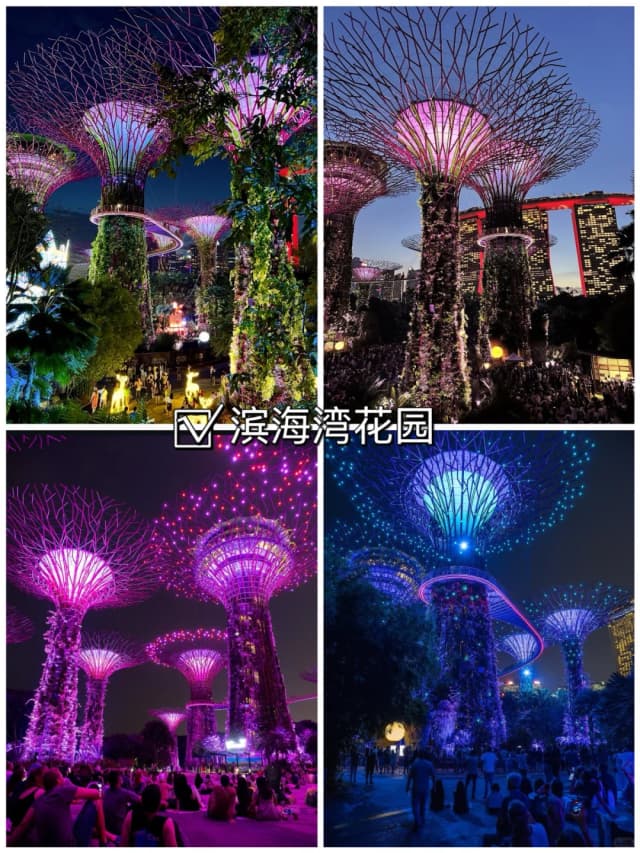
Explore cultural districts and urban prosperity to unlock the diverse side of Singapore.

"Explore cultural districts and urban prosperity to unlock the diverse side of Singapore."

@喜欢吃彩虹糖

The Famous Canvas: Kampong Gelam and Haji Lane

Kampong Gelam's Historic Heartbeat

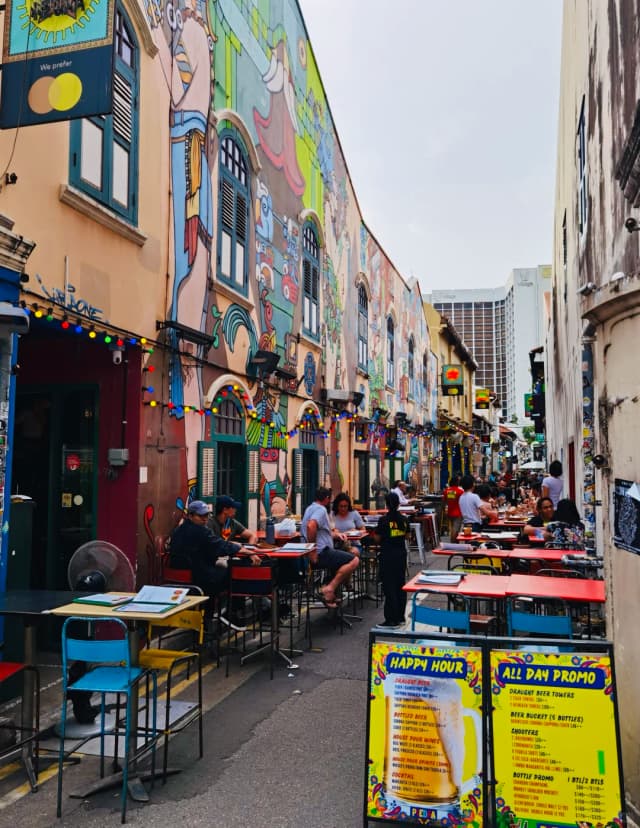
No exploration of Singapore's street art is complete without a pilgrimage to Kampong Gelam, one of the city's most historic urban quarters. The area's undeniable centrepiece is the magnificent Sultan Mosque, whose golden domes stand as a testament to the area's rich Malay heritage. But the true artistic soul of the neighbourhood is found in its narrow, bustling alleyways, most notably the world-famous Haji Lane.

Haji Lane is a vibrant artery of creativity, a place where pre-war shophouses have been transformed into a canvas for bold expression. The narrow lane is an immersive experience, with colourful graffiti walls and striking murals at every turn. It’s a place that buzzes with an independent spirit, a stark contrast to the city's sleek shopping malls.

Key features of Haji Lane include:

  • Eclectic Murals: From large-scale portraits to whimsical patterns, the art here is constantly evolving.
  • Independent Boutiques: The lane is famous for its collection of personality-driven shops, offering everything from vintage clothing to local designs.
  • Charming Cafes: Dotted between the murals and shops are countless cafes and bars, making it the perfect spot to soak in the atmosphere.

Nearby Arab Street complements this experience with its colourful buildings and textile shops, offering a glimpse into the area's traditional trades. The entire district is a delightful paradox, where the sacred history of the Sultan Mosque coexists with the rebellious, modern energy of its street art, creating a uniquely Singaporean cultural hub. It's the perfect starting point before venturing deeper into the city's other artistic enclaves.

Haji Lane: A pre-war street transformed into a graffiti art alley, packed with unique boutiques and trendy cafes.

"Haji Lane: A pre-war street transformed into a graffiti art alley, packed with unique boutiques and trendy cafes."

@狮城土著导游小彭

A Riot of Sensation: The Murals and Colours of Little India

Little India's Living Gallery

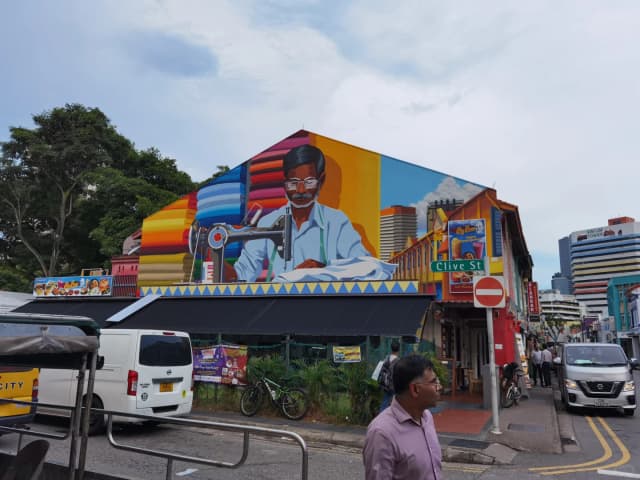
Just a short journey from Kampong Gelam, the neighbourhood of Little India offers a completely different, yet equally captivating, artistic experience. This is not just a place to see art; it's a place to feel it. The moment you step out of the MRT station, you are enveloped in a sensory feast: the scent of spices and incense hangs in the air, the vibrant colours of sari shops dazzle the eyes, and the sounds of the city are layered with Indian music.

The street art in Little India is deeply intertwined with its cultural identity. While you'll find plenty of colourful graffiti walls and modern murals, much of the art depicts scenes from Indian folklore, daily life, and celebrations. The walls of shophouses and the sides of large buildings become canvases that tell stories of the community. The area around Tekka Centre, a bustling market and food hub, is particularly rich with these visual narratives.

Exploring Little India's art involves wandering without a fixed plan. Turn down a side street and you might discover a massive mural of a traditional dancer; peek into an alley and find a smaller, more intimate piece. The architecture itself is part of the art, with colourful houses and ornate temples like the Sri Veeramakaliamman Temple contributing to the visual spectacle. Unlike the curated feel of a gallery, the art here feels organic and alive, a vibrant expression of a community that wears its heritage on its sleeve—and on its walls. For more information on Singapore's cultural precincts, you can always check the official Singapore Tourism Board website.

First, dive into Little India! The streets are full of sari shops and the smell of spices—it's like falling into a color palette.

"First, dive into Little India! The streets are full of sari shops and the smell of spices—it's like falling into a color palette."

@碗兔是瑞

Peranakan Pastels: The Architectural Art of Joo Chiat

The Charm of Joo Chiat and Katong

For a truly unique perspective on Singapore's street-level art, venture east to the Joo Chiat and Katong neighbourhoods. Here, the art is not sprayed on walls but is built into the very architecture. This area is the heart of Peranakan culture in Singapore, and its most famous visual feature is the stunning collection of heritage shophouses.

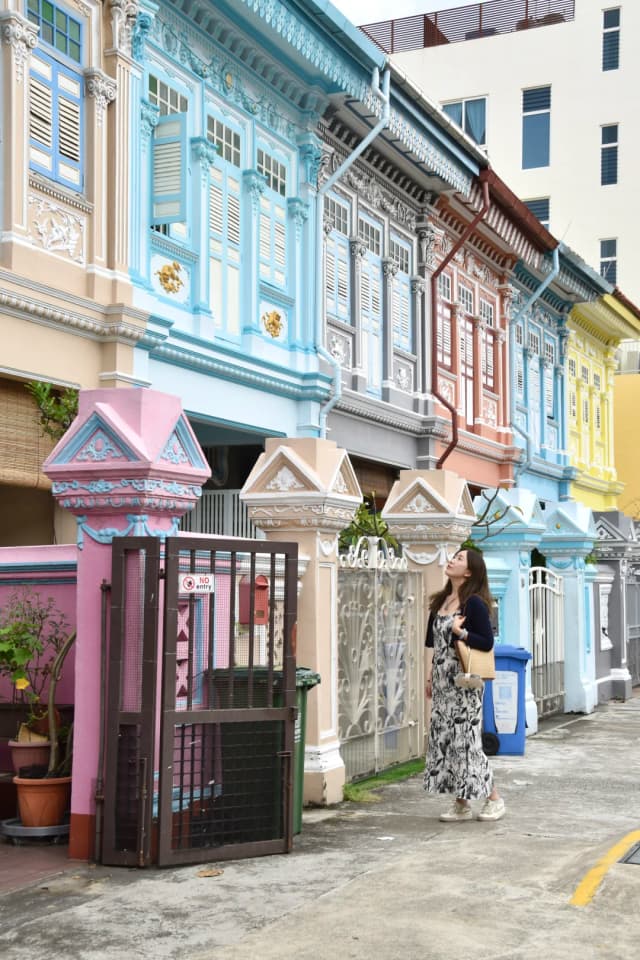
A walk down Joo Chiat Road and its surrounding streets is like stepping into a real-life painting. The shophouses are a feast for the eyes, adorned in a palette of pastel and 'dopamine-inducing' colours. These buildings showcase a distinct 'Nanyang style,' a fusion of Chinese, Malay, and European architectural influences. Look closely, and you'll notice intricate details:

  • Ceramic Tiles: Ornate, colourful tiles often decorate the facades and floors.
  • Intricate Carvings: Detailed carvings of flowers, animals, and geometric patterns can be found on panels and pillars.
  • Pastel Hues: The soft pinks, blues, greens, and yellows create a picturesque and highly photogenic streetscape.

This area offers a different kind of 'city walk'—one that is quieter and more focused on heritage and aesthetics. It’s a chance to appreciate a form of artistry that has been preserved for generations. The experience is complemented by the neighbourhood's reputation for excellent food, including the famous Katong Laksa. After exploring the colourful streets, you can wander over to the nearby East Coast Park, a favourite spot for locals to relax, cycle, and enjoy the sea breeze, making it a perfect day of art, culture, and leisure.

Joo Chiat Road is filled with dopamine-colored houses, full of charming Nanyang style.

"Joo Chiat Road is filled with dopamine-colored houses, full of charming Nanyang style."

@贝卡仔Rebecca

Urban Masterpieces: From Rainbow Windows to Vertical Gardens

Architectural Canvases of the City

Beyond the vibrant ethnic enclaves, Singapore’s commitment to art and design is evident in standalone architectural masterpieces scattered throughout the city. These buildings are not just functional spaces; they are public works of art that redefine the urban landscape.

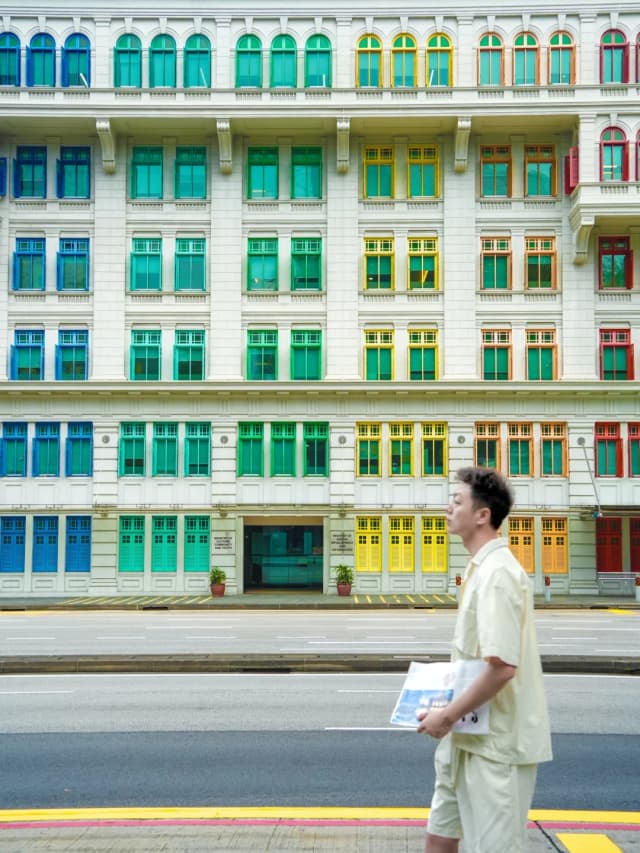
One of the most photographed buildings is the Old Hill Street Police Station. Its defining feature is the hundreds of windows painted in a dazzling rainbow gradient. The building is even more spectacular in person than in photos, a cheerful and unexpected splash of colour in the Civic District. When photographing this landmark, be mindful of the traffic, as the best views are often from across the street.

A more modern example of architectural art is the PARKROYAL COLLECTION PICKERING hotel. This building is a stunning example of a 'hotel-in-a-garden,' with lush, green terraces cascading down its exterior. It represents a different kind of urban art—one that blends architecture with nature, reinforcing Singapore's 'Garden City' identity in a bold, contemporary way.

Finally, no artistic tour would be complete without a stroll through Chinatown. While it may not have the concentrated street art of Haji Lane, its charm lies in the preserved pre-war architecture, the intricate designs of temples like the Buddha Tooth Relic Temple, and old wall murals that tell the stories of early Chinese immigrants. Exploring these areas reveals that in Singapore, art is not confined to galleries; it is integrated into the city's very structure, from historic police stations to futuristic green hotels.

The building with the colorful shutters is even more spectacular in person than in the photos; just be careful of the traffic when you try to capture it.

"The building with the colorful shutters is even more spectacular in person than in the photos; just be careful of the traffic when you try to capture it."

@wen_moonn

Related Questions

What is Singapore's famous nickname besides the 'Garden City'?

While Singapore is renowned as the 'Garden City,' it can also be considered an 'open-air gallery' due to its vibrant street art and colourful architecture.

Where is the historic heart of Singapore's street art scene?

The historic heart of Singapore's street art scene is in Kampong Gelam, particularly in the world-famous alleyway, Haji Lane.

What kind of art is typically found in Little India?

The street art in Little India is deeply connected to its cultural identity, often depicting scenes from Indian folklore, daily life, and celebrations.

What makes the Joo Chiat and Katong neighborhoods artistic?

The artistry in Joo Chiat and Katong is built into the architecture itself, specifically the heritage Peranakan shophouses adorned in pastel colours with intricate tiles and carvings.

What is the most striking feature of the Old Hill Street Police Station?

The Old Hill Street Police Station is famous for its hundreds of windows painted in a dazzling rainbow gradient, creating an unexpected splash of colour.

How does the PARKROYAL COLLECTION PICKERING hotel represent urban art?

This hotel represents urban art by blending architecture with nature. It is designed as a 'hotel-in-a-garden' with lush, green terraces cascading down its exterior.

What is the historical centerpiece of Kampong Gelam?

The centerpiece of Kampong Gelam is the magnificent Sultan Mosque, whose golden domes are a testament to the area's rich Malay heritage.

Besides murals, what else is Haji Lane known for?

In addition to its constantly evolving murals, Haji Lane is famous for its independent boutiques offering local designs and charming cafes.

What sensory experiences define a visit to Little India?

A visit to Little India is a sensory feast, characterized by the scent of spices and incense, the vibrant colours of sari shops, and the sounds of Indian music.

What architectural style is showcased by the shophouses in Joo Chiat?

The shophouses in Joo Chiat showcase a distinct 'Nanyang style,' which is a fusion of Chinese, Malay, and European architectural influences.

Related Articles

Sources

[1]

一篇讲清楚第一次去新加坡🇸🇬旅游

https://www.xiaohongshu.com/explore/685047...

[2]

新加坡🇸🇬|花园城市City walk

https://www.xiaohongshu.com/explore/68e0f0...

[3]

新加坡旅游|本地人私藏3天路线✨不走回头路

https://www.xiaohongshu.com/explore/69002e...

[4]

新加坡旅游|本地人私藏3天路线✨不走回头路

https://www.xiaohongshu.com/explore/69002e...

[5]

被闺蜜催了8次的新加坡攻略!

https://www.xiaohongshu.com/explore/691c50...

[6]

新加坡|Citywalk不回头走完几个主要景点📓

https://www.xiaohongshu.com/explore/68b196...

[7]

第一次去新加坡千万别把顺序搞反了!!!

https://www.xiaohongshu.com/explore/692085...

[8]

新加坡三日游citywalk路线&机位🇸🇬

https://www.xiaohongshu.com/explore/688b25...

[9]

人生建议:去完这1️⃣2️⃣个地方再离开新加坡❗

https://www.xiaohongshu.com/explore/68b02d...

[10]

DAY2&3|🇸🇬 新加坡三天两夜自由行攻略

https://www.xiaohongshu.com/explore/68536f...

[11]

🇸🇬新加坡 2 天 2 晚暴走 3 万步攻略

https://www.xiaohongshu.com/explore/691b07...

[12]

新加坡|Citywalk不回头走完几个主要景点📓

https://www.xiaohongshu.com/explore/68b196...

[13]

第一次去新加坡千万别把顺序搞反了!!!

https://www.xiaohongshu.com/explore/692085...

[14]

新加坡🇸🇬6天5晚亲子游|1岁👶宝宝说走就走

https://www.xiaohongshu.com/explore/68a17f...

[15]

人生建议:去完这1️⃣2️⃣个地方再离开新加坡❗

https://www.xiaohongshu.com/explore/68b02d...

[16]

旅游|新加坡特种兵三日自由行

https://www.xiaohongshu.com/explore/6889fa...

[17]

攻略|第一次出国自由行,可以闭眼冲新加坡!

https://www.xiaohongshu.com/explore/68e9d3...

[18]

新加坡真的很适合亲子游啊

https://www.xiaohongshu.com/explore/685761...

[19]

刚回来!新加坡5天4晚保姆级攻略,必看🔥

https://www.xiaohongshu.com/explore/6911dd...

[20]

新加坡四日自由行攻略!!🌴假期高效利用指南

https://www.xiaohongshu.com/explore/68b92f...

[21]

新加坡5天4晚自由行,带妈妈暴走真实体验

https://www.xiaohongshu.com/explore/690586...

[22]

新加坡三日游citywalk路线&机位🇸🇬

https://www.xiaohongshu.com/explore/688b25...

[23]

DAY1|🇸🇬 新加坡三天两夜自由行攻略

https://www.xiaohongshu.com/explore/683d50...

[24]

新加坡|Citywalk不回头走完几个主要景点📓

https://www.xiaohongshu.com/explore/68b196...

[25]

“花园城市“新加坡自由行(一)

https://www.xiaohongshu.com/explore/68616e...

[26]

新加坡CityWalk | 穿越一场南洋旧梦

https://www.xiaohongshu.com/explore/691ee0...

[27]

人生建议:去完这1️⃣2️⃣个地方再离开新加坡❗

https://www.xiaohongshu.com/explore/68b02d...