Home
Experiences

Experiencing a Summer Festival (Matsuri) in Tokyo

21 SourcesUpdated November 30, 2025

TL;DR

Dive into the heart of a Tokyo summer by experiencing a traditional festival (matsuri). This guide helps you plan your entire trip, from choosing where to stay and what to eat, to exploring Tokyo's vibrant neighborhoods and navigating the city like a local for an unforgettable cultural adventure.

Introduction: The Electric Heartbeat of a Tokyo Summer

Tokyo in summer is a city transformed. The usual hum of urban life rises to a fever pitch, punctuated by the crackle of fireworks and the vibrant energy of its traditional festivals, or matsuri. To truly experience Tokyo is to immerse yourself in one of these spectacular summer events, a sensory symphony of light, sound, and community. While the city offers a dazzling array of modern attractions, its soul is perhaps best discovered during these celebrations.

Key among these is the legendary Sumida River Fireworks Festival (隅田川花火大会), a spectacular display that lights up the sky near Asakusa and the Tokyo Skytree. July, in particular, is a prime month for such festivities, with events like the Setagaya Tamagawa Fireworks Festival and various local matsuri filling the calendar. These are not mere spectacles; they are deep-rooted cultural gatherings where locals and visitors alike can feel the city's pulse. This guide is your key to unlocking that experience, helping you plan a complete Tokyo adventure centered around the magic of a summer festival, from finding the perfect basecamp to embarking on a culinary journey and exploring the city's many facets beyond the festival grounds.

From spectacular fireworks displays to vibrant local festivals, July is the perfect time to experience Tokyo's summer atmosphere.

"From spectacular fireworks displays to vibrant local festivals, July is the perfect time to experience Tokyo's summer atmosphere."

@东京留学-工作-生活分享

Choosing Your Basecamp: Where to Stay for a Festival Trip

Choosing the right neighborhood for your stay is crucial for a seamless festival experience. Tokyo's vast urban landscape is well-connected, but your choice of accommodation can significantly shape your trip. Each district offers a unique vibe and strategic advantages.

  • Shinjuku: A powerhouse of convenience, Shinjuku is arguably Tokyo's most vital transport hub. Staying here means you have easy access to the JR Yamanote line, which circles all of Tokyo's major districts, as well as direct lines and buses to surrounding areas like Fuji-san and Kamakura. The area itself is a destination, boasting sprawling department stores, endless dining options from quick ramen to high-end yakiniku, and the neon-drenched streets of Kabukicho for those seeking vibrant nightlife. It's an ideal choice for first-time visitors who want to be in the center of the action.

  • Shibuya & Harajuku: If your trip is fueled by fashion and youth culture, Shibuya is your ground zero. Home to the world's most famous scramble crossing, this district is the epicenter of Japanese trends. It's a short walk from the潮流聚集地 of Harajuku and the high-fashion boulevard of Omotesando. Accommodation here places you amidst countless boutiques, vintage shops, and cafes. It’s perfect for travelers who want to dive headfirst into Tokyo's modern cultural scene.

  • Asakusa & Ueno: For a taste of old Tokyo and strategic proximity to the Sumida River fireworks, the Asakusa and Ueno areas are excellent choices. Asakusa, with its iconic Senso-ji Temple, offers a more traditional atmosphere. Ueno is a cultural hub, home to Ueno Park, the Tokyo National Museum, and Ueno Zoo. Accommodation in these northern districts is often more budget-friendly and provides a calmer retreat after a bustling day of sightseeing or festival-going.

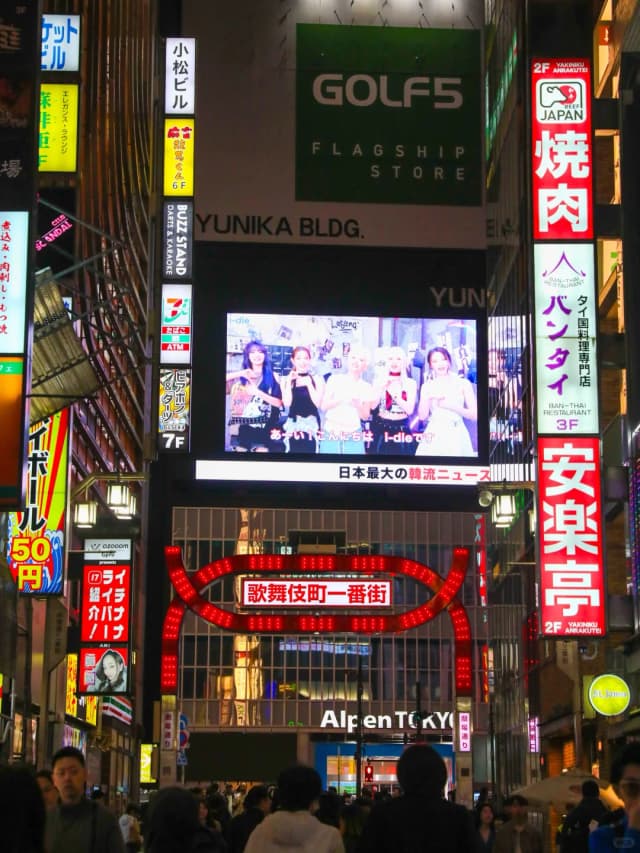
Stay in Shinjuku: Though prices are slightly higher, the transportation convenience for trips to Mount Fuji and Kamakura is unbeatable.

"Stay in Shinjuku: Though prices are slightly higher, the transportation convenience for trips to Mount Fuji and Kamakura is unbeatable."

@旭行旅游咨询

A Culinary Odyssey: Feasting In and Around the Festivals

A trip to Tokyo is a pilgrimage for food lovers, and a festival experience only heightens the culinary adventure. While the festival grounds themselves are often lined with stalls selling delicious street food, the surrounding city offers a universe of flavors to explore before or after the main event. From sizzling yakiniku to soul-warming ramen, here’s a guide to satisfying your post-matsuri appetite.

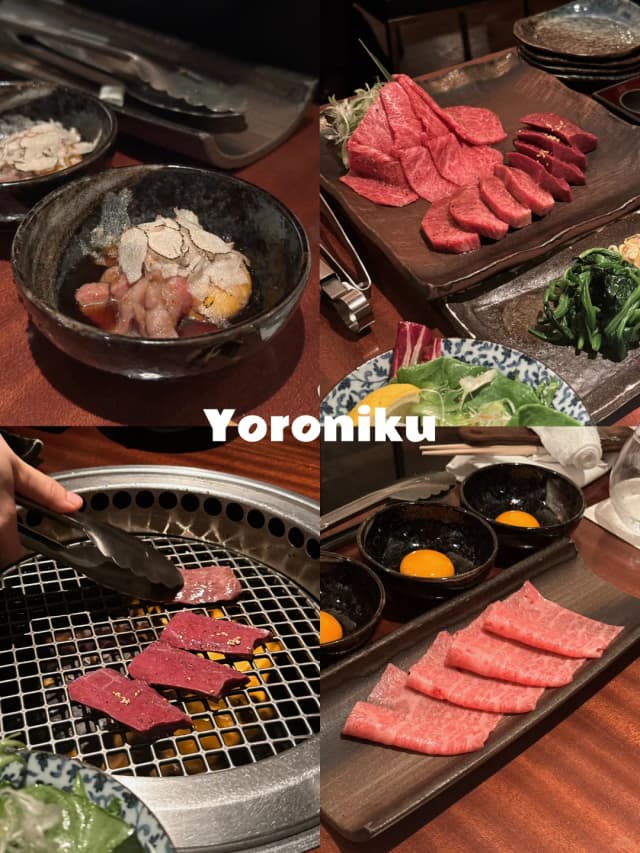
The Sizzle of Yakiniku (Japanese BBQ) After an evening of excitement, settling into a yakiniku restaurant is a perfect way to unwind. You'll grill premium cuts of meat right at your table, a truly interactive and delicious experience.

  • Yakiniku Kokokara (Hamamatsucho): A highly recommended spot near Tokyo Tower, praised for its excellent service and non-pushy staff. Their beef tongue platter (牛舌拼盘) is a must-try, and the Korean-style vegetable salad provides a refreshing counterpoint to the rich meat.
  • Yoroniku (Minami-Aoyama): Considered by many to be a life-changing '人生烤肉' experience. It's a higher-end option that requires a reservation, offering course menus where each cut is prepared and served with a specific method to maximize its flavor.
  • 叙々苑 (Jojoen): A well-known and reliable high-quality chain, with locations in major areas like Shinjuku. It's a great option for consistently delicious beef.

The Soul of a Noodle Bowl There's nothing quite like a bowl of expertly prepared noodles. Tokyo offers endless variations.

  • Afuri Ramen: Famous for its light yet flavorful yuzu-shio (citrus and salt) broth. The refreshing citrus notes make it a perfect summer meal. You can find branches in popular spots like Shinjuku, Nakameguro, and Roppongi.
  • Ichiran Ramen: A classic for a reason. This chain allows you to customize every aspect of your bowl, from noodle firmness to broth richness, in your own private booth. It’s a 24-hour operation in many locations, making it an ideal late-night stop.
  • TsuruTonTan Udon: Known for its giant bowls of silky, chewy udon noodles. They offer both traditional and creative fusion styles, in a stylish brasserie setting.

Sushi, Seafood, and Other Classics Your culinary tour wouldn't be complete without sampling Japan's other iconic dishes.

  • Tsukiji Market: Although the inner market has moved, the outer market remains a vibrant hub for fresh seafood. It's the perfect place to grab an incredibly fresh sushi or sashimi breakfast. Look for shops like Unitora, famous for its luxurious sea urchin (uni) bowls.
  • Tonkatsu (Fried Pork Cutlet): For a perfectly crispy, juicy cutlet, head to a specialty shop like Tonkatsu.jp in Omotesando, which is praised for its incredibly tender and juicy pork that's a step above the traditional style.
  • Sukiyaki: For a comforting and flavorful hot pot experience, restaurants like Ningyocho Imahan or Moritaya offer exquisite beef that is cooked tableside in a sweet and savory broth.

This tonkatsu is completely different from the traditional style; it's so tender, it actually bursts with juice when you take a bite!

"This tonkatsu is completely different from the traditional style; it's so tender, it actually bursts with juice when you take a bite!"

@芒果很忙

Daytime Adventures: Exploring Tokyo's Dynamic Neighborhoods

While the summer festivals are the main event, your days in Tokyo should be filled with exploration. The city is a patchwork of distinct neighborhoods, each offering a different world to discover. Weaving these into your itinerary will give you a rich, multi-layered experience of this incredible metropolis.

  • Asakusa & Sumida: The heart of old Tokyo, Asakusa is home to the magnificent Senso-ji Temple and its bustling Nakamise-dori market street. It's the perfect place to experience traditional Japan, perhaps even renting a kimono for the day. A short walk or a single subway stop across the river brings you to the Tokyo Skytree in Sumida, where you can get a panoramic view of the entire city—a stunning contrast of old and new.

  • Shibuya, Harajuku & Omotesando: This trio of adjoining neighborhoods forms Tokyo's fashion and culture nucleus. Start at the iconic Shibuya Scramble Crossing, then dive into the vibrant, youthful chaos of Harajuku's Takeshita Street, known for its quirky fashion and sweet treats. Finally, stroll down Omotesando, Tokyo's 'Champs-Élysées,' an elegant boulevard lined with high-fashion flagship stores and stunning architectural designs.

  • Ueno Park & Akihabara: Spend a cultural morning at Ueno Park, Japan's first public park. It houses several world-class museums, including the Tokyo National Museum. In the afternoon, shift gears completely with a visit to Akihabara, the global hub for anime, manga, and electronics. Whether you're a die-hard otaku or just curious, the energy and spectacle of 'Electric Town' are unforgettable.

  • Ginza & Marunouchi: For a more sophisticated experience, head to Ginza, Tokyo's premier luxury shopping district. Here you'll find flagship stores for nearly every major international brand, alongside historic department stores like Mitsukoshi and Wako. Nearby, the Marunouchi district, centered around the beautifully restored red-brick Tokyo Station, offers a slightly more subdued but equally upscale atmosphere, perfect for a refined stroll. Further information about exploring Japan can be found at the Japan National Tourism Organization.

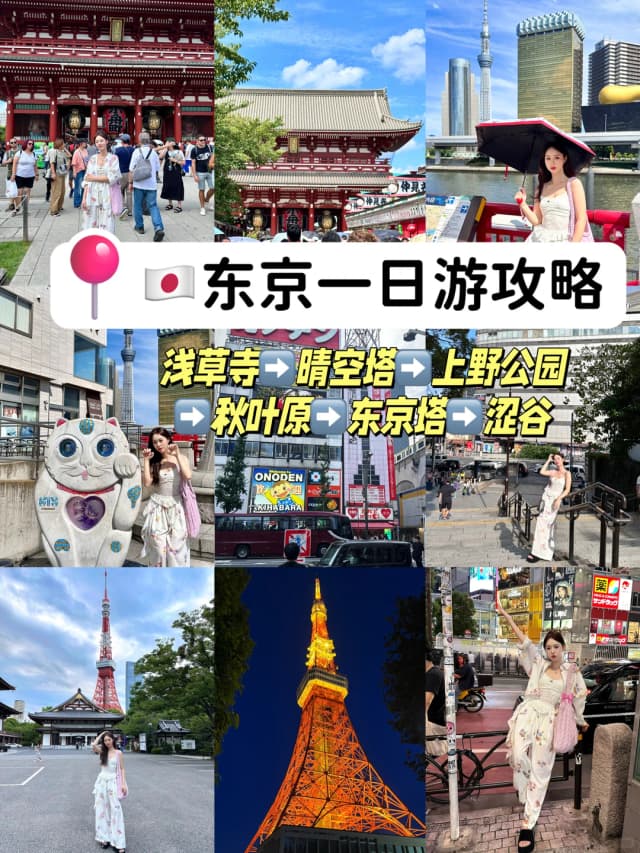
A single day in Tokyo can take you through diverse worlds of anime, culture, nature, and shopping.

"A single day in Tokyo can take you through diverse worlds of anime, culture, nature, and shopping."

@TR丨租车

Practical Tips for a Seamless Trip

Navigating Tokyo can seem daunting, but with a few key tools and tips, it's surprisingly straightforward. A little preparation will ensure you spend less time figuring things out and more time enjoying the festivals and sights.

Getting Around

  • Get a Suica Card: This is non-negotiable. The Suica card is a rechargeable smart card that can be used on virtually all trains, subways, and buses in Tokyo and across Japan. You can add it to your Apple Wallet for ultimate convenience, allowing you to tap your phone at the gates. It also works for payments at convenience stores and vending machines.
  • Master the Metro: Tokyo's train system is your best friend. Download an app like Google Maps or 'JapanTransit' (or 'Jorudan'). These apps provide precise routes, transfer information, platform numbers, and costs, making the complex network manageable. The JR Yamanote Line is a key route, as it's a loop that connects most of Tokyo's major hubs like Shinjuku, Shibuya, Tokyo Station, and Ueno.

Money Matters

  • Carry Some Cash: While major stores, hotels, and restaurants widely accept credit cards, Japan is still a cash-friendly society. Many smaller restaurants, street food stalls at festivals, and temple entrance fees will require yen. It's wise to carry a few thousand yen with you at all times. You can withdraw cash from ATMs at 7-Eleven or other convenience stores.
  • Mobile Payments: In recent years, mobile payment options like Alipay have become increasingly common, especially in department stores and tourist-heavy areas.

General Etiquette

  • Trash: Public trash cans are surprisingly rare in Tokyo. It's customary to carry a small bag with you to hold onto your own garbage until you find a bin, which are usually located at convenience stores or train stations.
  • Eating and Walking: It is generally considered impolite to eat or drink while walking on busy streets. If you buy food from a stall or convenience store, it's best to consume it nearby before moving on.
  • Connectivity: Staying connected is easy. You can purchase a travel SIM card or an eSIM online before your trip, or rent a portable Wi-Fi device at the airport. This is essential for using navigation apps and looking up information on the go.
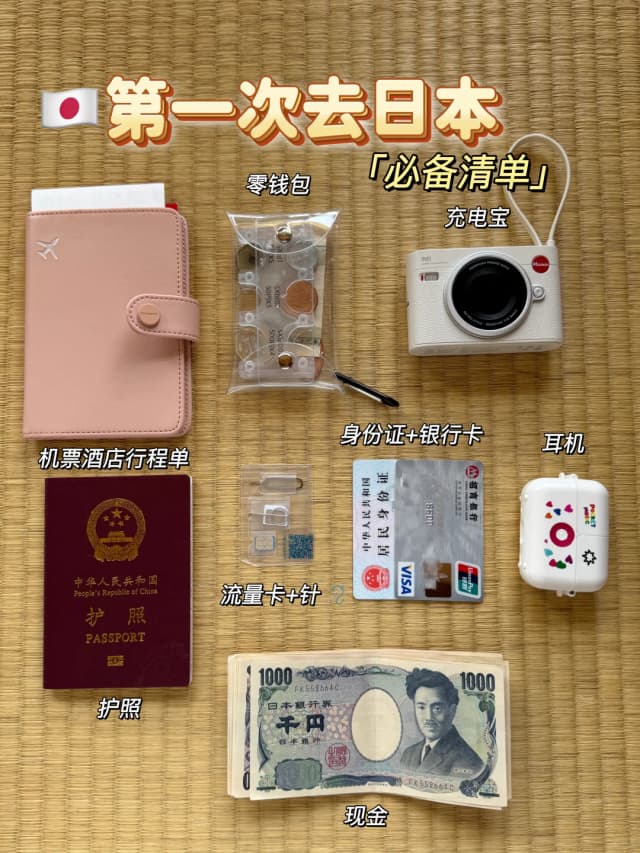
Pro-tip for Tokyo: Always carry a small bag for your trash, as you'll find almost no public garbage cans on the streets.

"Pro-tip for Tokyo: Always carry a small bag for your trash, as you'll find almost no public garbage cans on the streets."

@LilyLily

Related Questions

What is a major summer festival in Tokyo?

A key summer event is the legendary Sumida River Fireworks Festival. It's a spectacular display that lights up the sky near Asakusa and the Tokyo Skytree.

Which neighborhood is best for first-time visitors to Tokyo?

Shinjuku is ideal for first-time visitors as it's Tokyo's most vital transport hub. It offers easy access to the JR Yamanote line, which connects all major districts.

Where can I stay to experience a more traditional Tokyo atmosphere?

The Asakusa and Ueno areas are excellent choices for a taste of old Tokyo. Asakusa, with its iconic Senso-ji Temple, offers a more traditional atmosphere and is close to the Sumida River fireworks.

What is Yakiniku?

Yakiniku is a Japanese BBQ dining experience where you grill premium cuts of meat at your table. It's described as an interactive and delicious way to unwind after a festival.

What makes Afuri Ramen a good choice for a summer meal?

Afuri Ramen is famous for its light yet flavorful yuzu-shio (citrus and salt) broth. The refreshing citrus notes make it a perfect meal for the summer heat.

How can I experience both old and new Tokyo in one area?

Visit Asakusa to see the magnificent Senso-ji Temple for a feel of old Tokyo, then cross the river to the modern Tokyo Skytree in Sumida for panoramic views of the entire city.

Which neighborhoods are the center of Tokyo's fashion and youth culture?

The trio of Shibuya, Harajuku, and Omotesando forms Tokyo's fashion and culture nucleus. Shibuya is the epicenter of Japanese trends, while Harajuku is known for its quirky fashion.

What is the most essential tool for navigating Tokyo's public transport?

A Suica card is considered non-negotiable. It is a rechargeable smart card that can be used on virtually all trains, subways, and buses in Tokyo and across Japan.

Should I carry cash when visiting Tokyo?

Yes, it is wise to carry some cash. While major stores accept credit cards, many smaller restaurants, festival food stalls, and temple entrance fees will require yen.

Why is it hard to find trash cans in Tokyo?

Public trash cans are surprisingly rare in Tokyo. It is customary for people to carry a small bag to hold their own garbage until they find a bin, usually at a convenience store or train station.

Related Articles

Sources

[1]

一张图带你了解东京23区

https://www.xiaohongshu.com/explore/68e87f...

[2]

东京7月旅行攻略 | 看展&祭典&市集活动合集

https://www.xiaohongshu.com/explore/68591e...

[3]

原来东京真的会惩罚不预约的人!!

https://www.xiaohongshu.com/explore/68c3ee...

[4]

超实用!东京➕周边旅行超详细攻略来啦

https://www.xiaohongshu.com/explore/685bd0...

[5]

东京自由行必去❗15个热门景点完整攻略

https://www.xiaohongshu.com/explore/68a5ca...

[6]

第一次去东京怎么玩这篇攻略帮你省下1w日元

https://www.xiaohongshu.com/explore/68c948...

[7]

🗼东京塔附近日本烤肉我必须推荐这家

https://www.xiaohongshu.com/explore/68f770...

[8]

Tokyo | 本J人对自己的东京攻略满意到不行

https://www.xiaohongshu.com/explore/684582...

[9]

京都\东京吃肉记录(二)🍖

https://www.xiaohongshu.com/explore/68a581...

[10]

🗼在东京walk in吃的漂亮饭🍣(不用预约版)

https://www.xiaohongshu.com/explore/684169...

[11]

时隔多年来吃虎杖 还是这么美味😋

https://www.xiaohongshu.com/explore/6910c0...

[12]

🇯🇵Tokyo的第一餐!

https://www.xiaohongshu.com/explore/6910c3...

[13]

🇯🇵东京会反复去的饭!(合集1️⃣0️⃣家

https://www.xiaohongshu.com/explore/68bbd1...

[14]

东京自由行必去❗15个热门景点完整攻略

https://www.xiaohongshu.com/explore/68a5ca...

[15]

🇯🇵日本|东京市区3日游绝佳路线

https://www.xiaohongshu.com/explore/68b174...

[16]

🛍️日本银座逛街看这篇就够啦!

https://www.xiaohongshu.com/explore/68528c...

[17]

【Tokyo一日游攻略🚶‍♀️】六大景点一次性get~

https://www.xiaohongshu.com/explore/68a553...

[18]

第一次去东京怎么玩这篇攻略帮你省下1w日元

https://www.xiaohongshu.com/explore/68c948...

[19]

Tokyo | 本J人对自己的东京攻略满意到不行

https://www.xiaohongshu.com/explore/684582...

[20]

刚从日本回来,总结了一份保姆级攻略

https://www.xiaohongshu.com/explore/68a43f...

[21]

🇯🇵一个人勇闯日本30次总结出的!!(最新版)

https://www.xiaohongshu.com/explore/68792c...