

While Tokyo is renowned for its futuristic cityscapes and bustling energy, a different side of the city awaits those willing to step off the beaten path. This one-day itinerary is your guide to exploring the rich history and cultural tapestry of Old Tokyo, focusing on the venerable district of Asakusa and the cultural haven of Ueno. Prepare to trade neon-lit skyscrapers for temple eaves and tranquil parklands. We'll journey through the city’s oldest temple, wander down a street filled with traditional treats, and immerse ourselves in the artistic and natural beauty of Japan's very first public park. This is a day dedicated to the soul of Tokyo, where the echoes of the Edo period can still be heard and the pace of life slows to a more contemplative rhythm. It's a chance to connect with the city's enduring heritage and discover a charm that has captivated visitors for centuries.
Exploring Old Tokyo: A One-Day Itinerary for Asakusa and Yanaka
TL;DR
Escape Tokyo's modern rush with a one-day itinerary exploring its historic heart. Discover the ancient Senso-ji Temple and traditional snacks in Asakusa, then immerse yourself in the cultural treasures and natural beauty of Ueno Park for a perfect blend of history, art, and tranquility.
Introduction: A Day Trip into Tokyo's Yesteryear
Morning in Asakusa: Echoes of Edo
Our journey into Old Tokyo begins in Asakusa, the city's quintessential historical district. To truly appreciate its serene atmosphere, an early start is key. One seasoned traveler suggests arriving before 8:00 AM to experience the area when the crowds are at their thinnest.
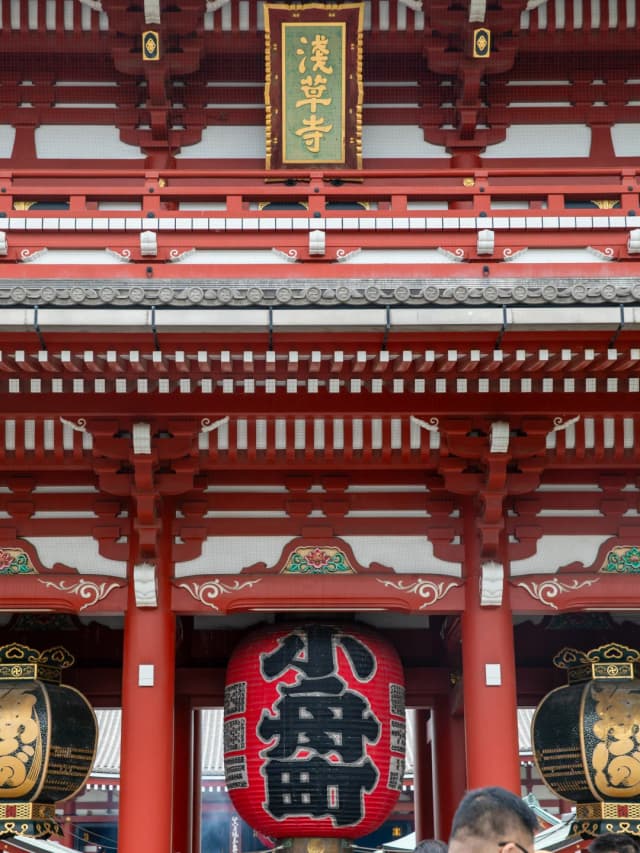
Your first destination is the magnificent Senso-ji Temple, Tokyo's oldest and most significant Buddhist temple. The approach is as iconic as the temple itself. You'll pass through the Kaminarimon, or "Thunder Gate," a grand entrance structure housing a colossal red paper lantern that has become a symbol of Asakusa. For a great photo opportunity without the crowds, consider taking your shot from across the street.
Once inside the temple grounds, the air of reverence is palpable. Many visitors partake in traditional customs, such as drawing an omikuji, a paper fortune slip that offers a glimpse into your future. To fully immerse yourself in the historic ambiance, consider renting a kimono from one of the many nearby shops. Donning the traditional attire makes for beautiful photographs against the temple's vibrant architecture and is a popular activity for visitors seeking an authentic cultural experience. Remember to carry some cash, as many of these smaller rental shops, food stalls, and temple activities do not accept cards.
Leading up to the main hall is the Nakamise-dori, a bustling shopping street with a history stretching back centuries. This is the perfect place to sample an array of traditional Japanese snacks.
- Ningyo-yaki: Small cakes filled with sweet red bean paste, often molded into shapes like pagodas or doves.
- Asakusa Menchi: A deep-fried minced meat cutlet that is juicy, savory, and perfect for a quick bite.
- Eel Rice Balls and Wagyu Cakes: More substantial snacks that offer a taste of classic Japanese flavors.
- Matcha Crepes: For a modern twist on a traditional flavor, seek out Asakusa Chaya for their popular matcha crepe, which features a crisp caramel topping over ice cream and strawberry crisps.
If you need a break from the excitement, Asakusa offers several charming cafes. Fuglen is a well-regarded coffee shop perfect for a quality brew, while Hat Coffee delights visitors with its adorable, custom 3D latte art, famously featuring characters like Hello Kitty.
"A dream for matcha lovers in Asakusa: a crepe with a crunchy caramel top, filled with ice cream and strawberry crisps. Unforgettable!"
Afternoon in Ueno: A Haven of Culture and Nature
After a morning steeped in tradition, take a short trip to the Ueno district for an afternoon of culture, art, and nature. Ueno offers a different, more spacious interpretation of "Old Tokyo," centered around its famous park.
Ueno Park holds the distinction of being Japan's very first public park. It is described by visitors as a truly "healing" space, perfect for a leisurely stroll or simply relaxing in the sun on a clear day. The park's beauty is ever-changing with the seasons, from the iconic cherry blossoms that blanket the grounds in pink each spring to the fiery hues of maple leaves in the autumn.
Beyond its natural splendor, Ueno Park is a major cultural hub. It is home to several of Japan's most important institutions:
- Tokyo National Museum: A must-visit for anyone interested in Japanese art and archaeology. The museum houses an unparalleled collection of artifacts from Japan and other Asian countries.
- Ueno Zoo: A family-friendly attraction located within the park grounds.
- Other Museums and Galleries: The park is dotted with various other art museums, making it a paradise for art lovers.
This concentration of cultural facilities gives the Ueno area a distinctly artistic and intellectual atmosphere. Even the views around the train station have a unique charm; one traveler noted that the streetscapes near Ueno Station have an "anime filter" quality, capturing a nostalgic, picturesque vision of urban Japan. This blend of lush parkland, world-class museums, and evocative city scenes makes Ueno an essential stop on any tour of Tokyo's historic and cultural heart.

"The streetscapes near Ueno Station have a built-in anime filter—just wait for a train to pass and press the shutter."
An Evening of Old Tokyo Flavors
As evening approaches, your exploration of historic Tokyo culminates in a delightful culinary experience. Both Asakusa and Ueno offer a range of dining options that reflect the city's rich gastronomic heritage.
In Ueno, you can find a variety of memorable meals:
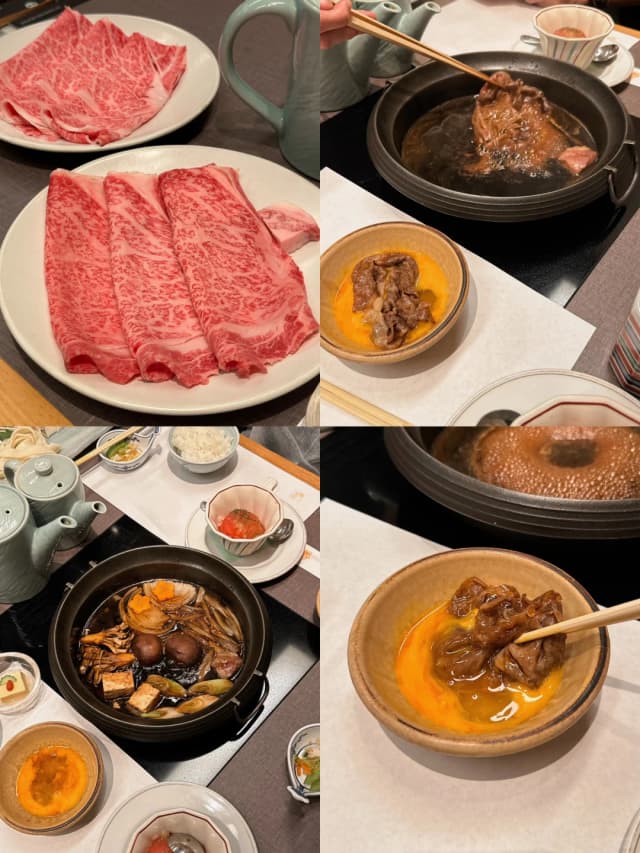
- Kiso-ji Sukiyaki: For a truly authentic Japanese dinner, consider the sukiyaki at Kiso-ji. This is a classic hot pot dish featuring thinly sliced beef cooked in a sweet soy-based broth. Be aware that this popular restaurant requires advance reservations, so be sure to plan ahead.
- Sashimi Buffet: At Numazuko Kaisho, you can indulge in a 45-minute all-you-can-eat sashimi buffet for a very reasonable price. The buffet features around nine types of fish, scallops, and various fried items. Note that payment is cash only.
- Grilled Fish and Sichuan Cuisine: Ueno also boasts excellent specialty restaurants, including establishments known for perfectly grilled fish and surprisingly authentic Sichuan food, offering a spicy alternative to traditional Japanese fare.
Back in Asakusa, the choices are just as tempting. Beyond the daytime snacks on Nakamise-dori, the area has sit-down restaurants that are worth a visit.
- Unagi (Eel): Several notes mention the delicious eel dishes available in Asakusa. One recommendation is the quiet, unassuming restaurant うなぎ御食事処 九寅 (Unagi Kutoru), which serves crispy and flavorful eel over rice without the long queues often found at more famous spots.
- Asakusa Menchi: If you find yourself craving another one of their famous deep-fried minced meat cutlets, the stall is a great option for a quick and satisfying dinner.
Whether you choose the refined experience of a sukiyaki dinner, the bustling energy of a sashimi buffet, or the simple comfort of a perfectly grilled piece of eel, the flavors of Ueno and Asakusa provide the perfect end to a day spent wandering through Tokyo's past.
"Discover this inconspicuous Japanese-style house in Asakusa where you can enjoy crispy and delicious eel rice without having to wait in line."
Practical Tips for Your Journey
To make your day exploring Asakusa and Ueno as smooth as possible, here are a few practical tips gleaned from fellow travelers.
-
Getting Around: The most efficient way to navigate Tokyo is by using its extensive public transit system. Purchasing a Suica card is highly recommended. This rechargeable smart card can be used on subways, trains, and buses, and even for payments at many convenience stores, saving you the hassle of buying single tickets for each journey. For planning your routes, Google Maps is an indispensable tool that provides accurate train times and platform information.
-
Payments: While major credit cards and mobile payments are widely accepted in department stores and larger restaurants, Japan is still a cash-based society in many respects. It's essential to carry enough Japanese yen, especially when visiting areas like Asakusa. Many small food stalls, souvenir shops, and temple activities (like buying fortune slips) will only accept cash.
-
Accommodation: If you're looking for a convenient and budget-friendly place to stay, both the Asakusa and Ueno areas are excellent choices. They offer more reasonably priced accommodation compared to hubs like Shinjuku or Shibuya, while still providing excellent transport links to the rest of the city and a rich cultural atmosphere right at your doorstep.
-
General Etiquette: Remember to carry a small bag for your trash, as public waste bins are famously scarce on Japanese streets. Following this simple custom helps keep the city as pristine as you find it.
"Remember to bring plenty of cash to Asakusa, as renting a kimono, buying street food, and getting your fortune told are often cash-only experiences."


