

Beyond the gleaming department stores of Ginza and the trendy boutiques of Shibuya lies another side of Tokyo's shopping scene—one that’s brimming with history, character, and the exhilarating possibility of discovery. For the savvy traveler and dedicated treasure hunter, the city's weekend flea markets offer an authentic glimpse into local life and a chance to unearth truly unique souvenirs. This is where forgotten relics find new homes, where vintage fashion gets a second life, and where every stall tells a story. Forget the fast-fashion cycle; preparing for a weekend of market-hopping in Tokyo means stepping into a world of curated chaos, where patience is rewarded with one-of-a-kind finds that you simply can't get anywhere else. It's a shopping experience that’s less about consumption and more about the connection you make with an object and its past.
Finding Hidden Gems at Tokyo's Best Weekend Flea Markets
TL;DR
Escape Tokyo's polished department stores and dive into its vibrant weekend flea markets. This guide unveils the city's best spots for vintage clothing, unique antiques, and handmade goods, from the massive Ohi Racecourse market to the chic stalls of Setagaya and the treasure-filled alleys of Shimokitazawa.
Introduction: The Thrill of the Hunt in Tokyo
Ohi Racecourse: The Unrivaled King of Tokyo Flea Markets
If you only have time for one flea market, make it the Ohi Racecourse Flea Market. Held every weekend, this sprawling event is Tokyo's largest, boasting anywhere from 400 to over 500 stalls. Located at the Tokyo City Keiba (TCK), it dwarfs other famous markets in both scale and value. In fact, many vendors who once frequented the more expensive Oedo Antique Market have migrated here, offering the same goods for nearly half the price.
The sheer variety is staggering. Based on one regular vendor's estimate, the market is roughly composed of:
- 50% Vintage clothing (古着)
- 25% Miscellaneous goods and toys (雑貨玩具)
- 15% Watches and jewelry (時計首飾)
- 10% Antiques and ceramics (古董陶艺)
Whether you're hunting for vintage Japanese ceramics, retro toys, or a unique piece of furniture, you'll need patience to sift through the vast offerings. But the real rewards go to those who know the market's secrets. Here are two insider tips to maximize your haul:
Tip 1: Arrive Early. The market officially opens at 9:00 AM, but the gates are often open by 8:00 AM. This is when stallholders trade amongst themselves. As a visitor during this golden hour, you can find incredible deals, as prices are already low and vendors are often willing to discount further.
Tip 2: Stay Late. Around 2:30 PM, the announcements begin, urging vendors to pack up. This is when the real bargain carnival starts. Many stallholders, reluctant to haul their goods back, will practically give items away. It’s the perfect time to score a deal so good you’ll be smiling in your sleep.
Address: 2 Chome-1 Katsushima, Shinagawa City, Tokyo
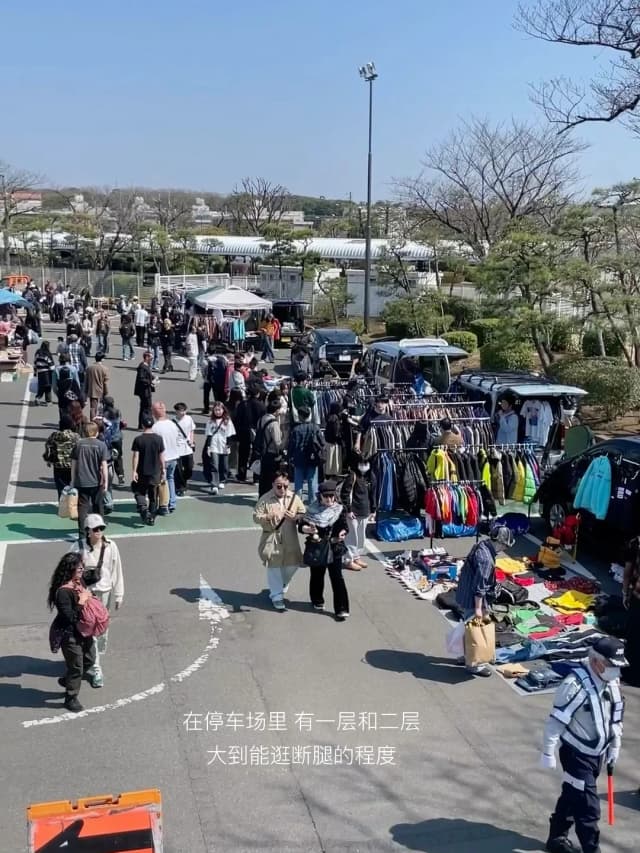
"You can score a deal so good you’ll be smiling in your sleep."
A Weekend Wanderer's Guide to More Markets
While Ohi Racecourse may be the largest, Tokyo's landscape is dotted with other charming weekend markets, each offering a distinct atmosphere. From tranquil shrine grounds to chic architectural complexes, these spots are perfect for a more relaxed treasure hunt.
HANEGI MARCHE: A Stylish Setagaya Escape Nestled in a designer residential area in Setagaya, just one stop from the vintage paradise of Shimokitazawa, you'll find the delightful HANEGI MARCHE. This weekend market blends the tranquility of Kyoto with the fashion-forward sensibility of Tokyo. The stalls are set amongst striking modern architecture, offering a curated selection of goods.
- What you'll find: Artisan bread, specialty coffee, fresh flowers, vintage clothing, handmade ceramics, and unique perfumes.
- Address: Near Shindaita Station, Setagaya-ku, Tokyo
Markets with a Traditional Flair Several markets take place within the serene grounds of local shrines, adding a touch of cultural immersion to your shopping.
- Tomioka Hachimangu Shrine: Located in Koto City, this market offers a chance to browse for goods in a historic setting. Find it at 1-20-3 Tomioka, Koto City, Tokyo.
- Tachikawa Suwa Shrine: This market in Tachikawa provides a more local atmosphere away from the central tourist hubs. Find it at 1-5-15 Shibasakicho, Tachikawa City, Tokyo.
Other Urban Gatherings Keep an eye out for markets popping up in unique urban spaces across the city.
- Shimokita Senrolgai: This market is held in the trendy neighborhood of Shimokitazawa, known for its vintage shops and youthful energy. Find it at 2-33-12 Kitazawa, Setagaya City, Tokyo.
- Shibuya Garden Tower: A market held at the foot of a modern office building, bringing a touch of vintage and craft to the heart of Shibuya. Find it at 16-17 Nanpeidaicho, Shibuya City, Tokyo.
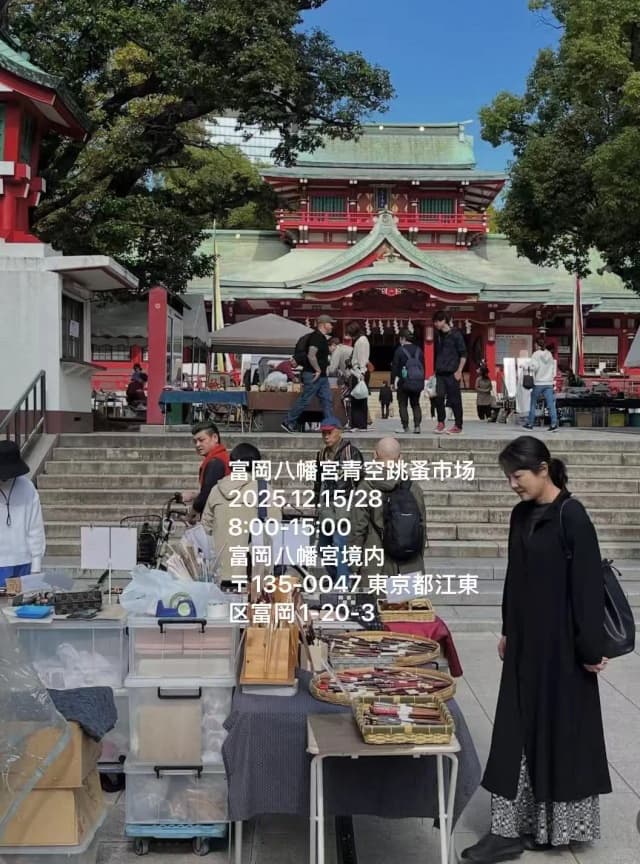
"A weekend market that has both the tranquility of Kyoto and the fashion of Tokyo."
Beyond the Markets: Hunting for Vintage in Shimokitazawa and Kichijoji
The spirit of treasure hunting in Tokyo isn't confined to weekend stalls. Entire neighborhoods have become synonymous with high-quality second-hand goods, offering a market-like experience seven days a week. For those who love the thrill of the find, a visit to Shimokitazawa and Kichijoji is essential.
Shimokitazawa: The Capital of Vintage Often compared to other vintage hubs like Koenji, many feel Shimokitazawa is even better, with larger and more diverse stores. It's a labyrinth of narrow streets packed with curated vintage shops, independent boutiques, and quirky cafes. You can spend a whole day here hopping from one store to the next. Some notable vintage shops to look for include:
- AEIEM
- KeyNuts
- BIG TIME Shimokitazawa
- Step ahead
- DESERTSNOW
- Top of the Hill
- JAM
This neighborhood is a must-visit for anyone serious about finding unique fashion pieces, from designer labels to rare streetwear. You can find a helpful walking route here.
Kichijoji: Local Charm and Hidden Gems For a more relaxed and local-feeling shopping day, head to Kichijoji. This area is brimming with 'daily-life' charm, featuring countless independent zakka (miscellaneous goods) shops, retro vintage stores, and even specialty craft spots like yarn shops. It's where you'll find Tokyoites browsing for unique, Japanese-designed items away from the tourist crowds. Kichijoji offers a slower pace, perfect for those who enjoy the process of discovery and want to immerse themselves in a neighborhood with a strong sense of community and creativity. It's the ideal place to find a piece of Tokyo that feels truly special and off the beaten path.
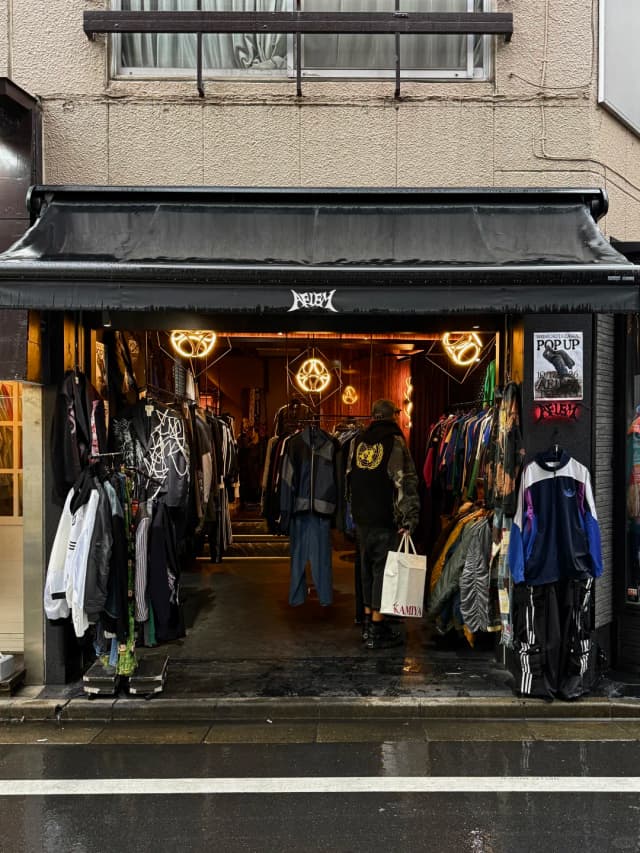
"With bigger stores than its rival Koenji, I personally feel Shimokitazawa is a much better neighborhood for vintage shopping."


