
While the quiet grace of a traditional Japanese tea ceremony is a profound cultural experience, Tokyo's dynamic culinary landscape offers a more modern, yet equally delightful, way to appreciate the nation's most famous tea: matcha. Instead of a formal ceremony, visitors can embark on a flavorful journey through the city's best matcha-based desserts, discovering how this ancient ingredient has been creatively reimagined.
Asakusa's Green Tea Treasures
The historic district of Asakusa, home to the famous Sensoji Temple, is also a hotspot for contemporary matcha treats. Here, you'll find a variety of shops dedicated to green tea perfection.
- Suzukien (寿寿喜園): Known for offering what some call the world's most intense matcha ice cream, Suzukien provides a unique tasting experience. Alongside other famous shops like Nanaya in Aoyama, it features matcha gelato with seven different levels of intensity, allowing you to choose your preferred richness and bitterness.
- Asakusa Chaya (浅草茶屋): This spot is a must-visit for its signature matcha crepes. Imagine rich matcha ice cream wrapped in a warm, soft crepe—a perfect handheld treat while exploring the area.
- Asakusachayatabanenoshi (浅草茶屋 たばねのし): For a truly unique creation, this shop offers a dessert with a matcha bread exterior, a crunchy caramelized sugar top, and a delightful filling of ice cream and strawberry crisps. It's a masterful blend of textures and tastes.
Ginza's Elegant Matcha Indulgence
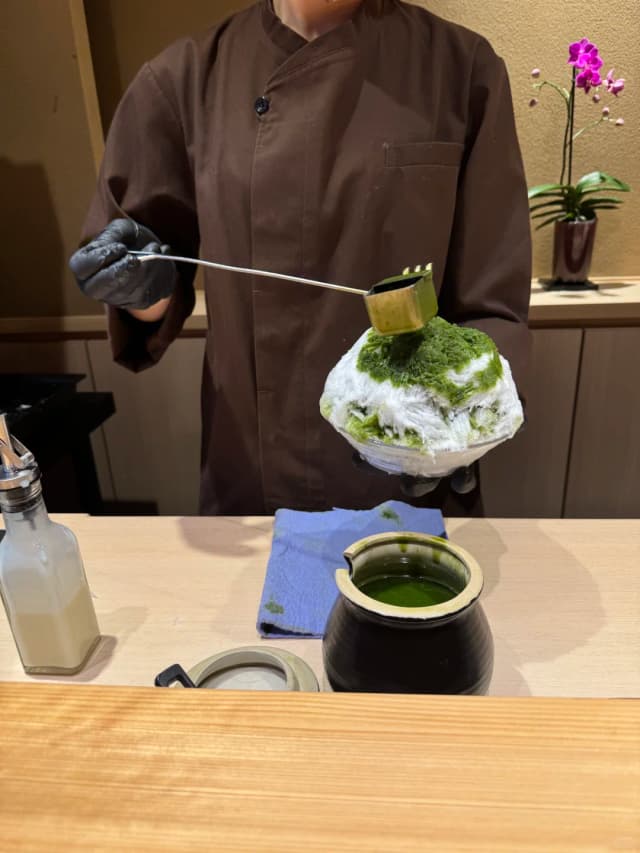
In the upscale district of Ginza, amidst luxury boutiques, lies a hidden gem for tea lovers. HIIRAGI Ginza is an intimate dessert shop, with only six seats, offering a personalized experience. Here, you can watch as artisans handcraft your matcha shaved ice. The process is a performance in itself, from preparing the fresh matcha syrup and condensed milk sauce to adding red bean paste and a final drizzle of matcha latte. It's an elegant and delicious respite from the bustling city.
This modern exploration of matcha provides a delicious alternative for those looking to connect with Japanese tea culture. While it may not be a traditional tea ceremony, indulging in these expertly crafted desserts offers a vibrant and accessible taste of how tradition continues to inspire contemporary culinary arts in Tokyo.