Home
Food and Beverage

Omoide Yokocho ('Piss Alley'): A Guide to Shinjuku's Yakitori Heaven

13 SourcesUpdated November 30, 2025

TL;DR

Discover Omoide Yokocho, a historic alley near Shinjuku station packed with tiny yakitori izakayas. This guide covers the atmosphere, what to eat, and tips for navigating this iconic slice of old Tokyo, a must-visit for foodies seeking an authentic Japanese barbecue experience.

Shinjuku: Tokyo's Non-Stop Epicenter of Flavor

Shinjuku stands as Tokyo's veritable 'city that never sleeps,' a dazzling district that serves as a primary transportation hub and a cultural epicenter. For any traveler, Shinjuku is often the first and last stop, its sprawling station connecting countless lines that spiderweb across the metropolis. But beyond its role as a transit nexus, Shinjuku is a universe of its own, where towering department stores stand shoulder-to-shoulder with intimate izakayas, and the scent of authentic Japanese barbecue wafts through the air. This is a district of delightful contrasts; a place where you can spend the day exploring modern shopping complexes and the night discovering traditional culinary gems hidden within its vibrant network of streets and alleys.

The culinary landscape here is as diverse as its population. Whether your preference is for high-end dining or a casual, hearty meal, Shinjuku delivers. The area is a treasure trove for food lovers, boasting an incredible concentration of eateries that cater to every palate. From the sizzling grills of yakiniku (日式烤肉) restaurants to the comforting bowls of ramen and the refined experience of sukiyaki, the options are boundless. It is within this bustling, neon-lit environment that one can find some of Tokyo's most authentic and memorable dining experiences, particularly for those willing to venture off the main boulevards and into the narrow lanes that hold the district's true culinary soul.

Shinjuku is Tokyo's city that never sleeps, where you can find everything from department stores and izakayas to authentic Japanese barbecue.

"Shinjuku is Tokyo's city that never sleeps, where you can find everything from department stores and izakayas to authentic Japanese barbecue."

@TR丨租车

A Step Back in Time: Discovering Omoide Yokocho

Nestled right next to the immense and ultra-modern Shinjuku Station is a portal to a bygone era: Omoide Yokocho. The name translates to 'Memory Lane,' a fitting title for an alleyway that seems preserved in time. This narrow, atmospheric street is worlds away from the sleek skyscrapers and giant video screens that define greater Shinjuku. It is a dense, smoky, and utterly captivating labyrinth filled with dozens of tiny, shoulder-to-shoulder eateries.

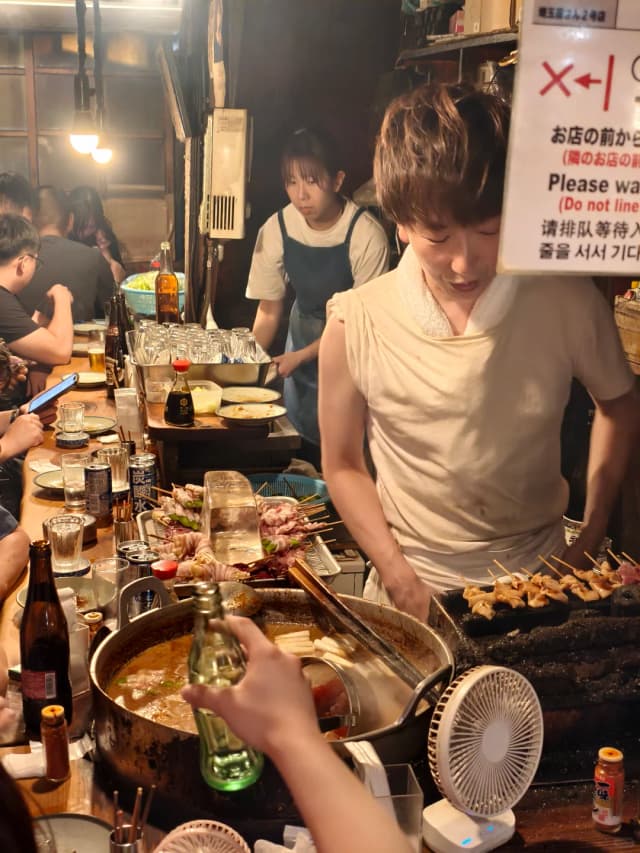
Known to locals and adventurous tourists alike, Omoide Yokocho is the heart of Shinjuku's traditional yakitori scene. The alley is famous for its collection of miniature 'yakitori-ya' (yakitori izakayas), many of which are little more than a counter with a handful of seats. The air is thick with the fragrant smoke from charcoal grills, the cheerful chatter of patrons, and the sizzle of skewers being expertly turned by seasoned chefs. It's a place that offers a raw and authentic slice of Tokyo life, where salarymen unwind after work and travelers discover the simple, profound joy of perfectly grilled food. Walking through this alley is an experience in itself, a sensory journey that feels like stepping onto a film set depicting post-war Japan.

Just when I was about to be disappointed with Japanese yakitori, this is a place I still truly miss!

"Just when I was about to be disappointed with Japanese yakitori, this is a place I still truly miss!"

@东行西晃

The Sizzle and Smoke: A Yakitori Deep Dive

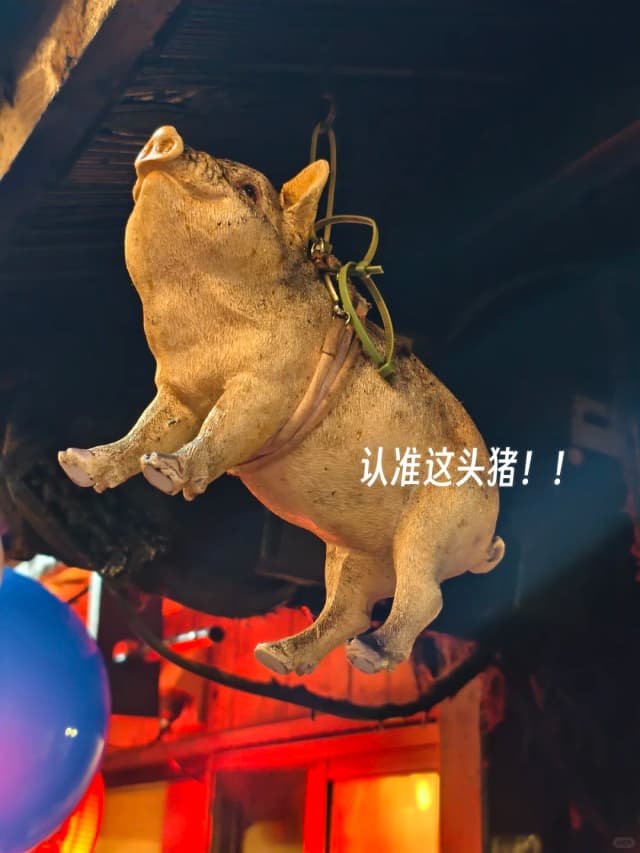
Yakitori, or grilled skewers, is a quintessential Japanese culinary experience, and Omoide Yokocho is arguably one of the best places in Tokyo to indulge. The variety is staggering, but the quality and atmosphere are what truly set this place apart. For a truly memorable meal, one standout establishment is Shinjuku Sasamoto (新宿ささもと). You'll find it by looking for a distinctive pig sign hanging above the doorway, a beacon in the smoky alley.

The experience at a place like Sasamoto is interactive and personalized. Upon sitting down, the chef will typically ask what you don't eat. From there, they will curate a selection of skewers just for you, bringing them out as they are perfectly cooked. The preparation method here is notably special: items are first braised to tender perfection and then finished on the grill, a two-step process that imparts an incredible depth of flavor and an intoxicating aroma. The beef skewers, in particular, come highly recommended and are described as exceptionally delicious.

This isn't just a quick bite; it's a feast. A meal for two can easily consist of over thirty skewers, accompanied by drinks, offering a comprehensive tour of the menu. Despite the high quality and generous portions, the prices remain reasonable, with a full meal costing around 330 RMB. For anyone who may have had underwhelming yakitori experiences elsewhere, a visit to a classic Omoide Yokocho shop like this promises to be a game-changer, showcasing the true art of Japanese grilling.

Just when I was about to give up on Japanese yakitori after a few bad experiences, this place completely changed my mind. I still miss it to this day!

"Just when I was about to give up on Japanese yakitori after a few bad experiences, this place completely changed my mind. I still miss it to this day!"

@XxQ.

Beyond the Alley: Other Notable Yakitori Spots

While Omoide Yokocho offers an unparalleled atmospheric experience, the vibrant district of Shinjuku has more to offer for yakitori enthusiasts. If you're looking for a slightly different ambiance or a place you can book in advance, there are excellent options just a short walk away.

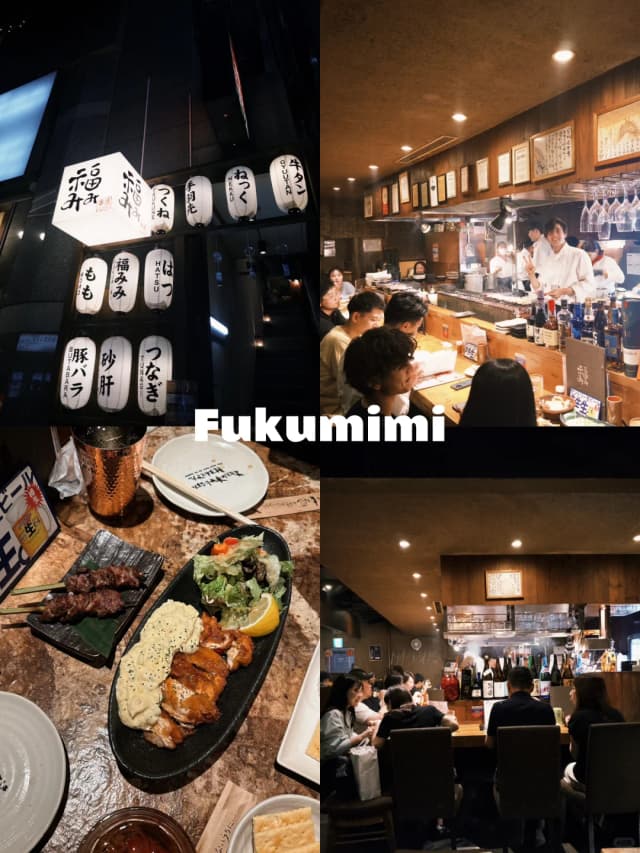
One such popular spot is Fukumimi (福蜜蜜串烧创作料理). This yakitori restaurant is a well-known name in the Shinjuku area and offers a fantastic menu of grilled delights. Unlike the often spontaneous nature of finding a seat in Omoide Yokocho, a visit to Fukumimi requires a bit of planning. The key tip for diners is that reservations are necessary, so be sure to book your spot ahead of time to avoid disappointment. This makes it a great choice for those who prefer a guaranteed table and a more structured dining plan.

Whether you opt for the historic charm of Omoide Yokocho or a more modern, reservation-based restaurant like Fukumimi, Shinjuku provides a rich tapestry of yakitori experiences. These establishments, often buzzing with energy, are perfect for enjoying skewers alongside a selection of drinks, fully immersing yourself in Tokyo's lively nighttime dining culture.

At Fukumimi Yakitori in Shinjuku, the plum wine is delicious and the overall atmosphere is great and very lively!

"At Fukumimi Yakitori in Shinjuku, the plum wine is delicious and the overall atmosphere is great and very lively!"

@弥生Misa

Know Before You Go: Tips for Your Visit

A trip to Omoide Yokocho is an adventure, and a little preparation can make it even more enjoyable. Here are a few tips to help you navigate this culinary hotspot:

  • Location and Navigation: Omoide Yokocho is conveniently located just a short walk from Shinjuku Station, one of Tokyo's largest and busiest transport hubs. Using a navigation app like Google Maps is highly recommended for finding your way through the station's numerous exits and the surrounding streets.

  • Timing is Everything: The alley's tiny restaurants fill up quickly, especially during peak hours. To avoid long waits, it's a good idea to arrive before the main dinner rush. Aiming for a 6 PM arrival or earlier can increase your chances of snagging a seat without a lengthy queue.

  • Cash is King: While many places in Tokyo accept credit cards, the small, traditional establishments in Omoide Yokocho often operate on a cash-only basis. It's always a wise precaution to have a sufficient amount of Japanese Yen with you to cover your meal and drinks.

  • General Etiquette: Remember that public trash cans are famously scarce on the streets of Tokyo. It's customary for people to carry a small bag to hold onto their own trash until they can dispose of it properly back at their hotel or at a convenience store.

A key tip for visiting Tokyo: public trash cans are famously scarce, so it's customary to carry a small bag for your own trash.

"A key tip for visiting Tokyo: public trash cans are famously scarce, so it's customary to carry a small bag for your own trash."

@XxQ.

Related Questions

What does the name Omoide Yokocho translate to in English?

The name Omoide Yokocho translates to 'Memory Lane,' which reflects the alley's atmosphere of being preserved in time.

What is the main type of food served in Omoide Yokocho?

The main type of food served in Omoide Yokocho is yakitori, or traditional Japanese grilled skewers. The alley is famous for its many tiny yakitori eateries.

How can you identify the recommended restaurant Shinjuku Sasamoto?

You can identify Shinjuku Sasamoto by looking for a distinctive pig sign hanging above its doorway in the smoky alley.

What is special about the cooking method at Shinjuku Sasamoto?

The cooking method at Shinjuku Sasamoto is a special two-step process where items are first braised to perfection and then finished on the grill for a deep flavor.

What is a key tip for dining at the yakitori restaurant Fukumimi?

Unlike the spontaneous nature of Omoide Yokocho, a key tip for dining at Fukumimi is that reservations are necessary, so you must book in advance.

What is the best time to visit Omoide Yokocho to avoid crowds?

To avoid long waits, it is recommended to visit Omoide Yokocho before the main dinner rush, aiming for a 6 PM arrival or earlier.

What form of payment should you be prepared with for Omoide Yokocho?

You should be prepared with a sufficient amount of cash in Japanese Yen, as the small, traditional establishments in the alley often operate on a cash-only basis.

Besides food, what makes Omoide Yokocho a unique experience?

Beyond the food, its unique atmosphere makes it a special experience. The narrow, smoky alley feels like stepping onto a film set depicting post-war Japan.

Why is Shinjuku considered a primary transportation hub in Tokyo?

Shinjuku is considered a primary transportation hub because its massive, sprawling station connects countless train lines that spiderweb across the metropolis.

What kind of dining experience can you expect at Shinjuku Sasamoto?

The experience is interactive and personalized. The chef asks what you don't eat and then curates a selection of skewers for you, bringing them out as they are cooked.

Related Articles

Sources

[1]

东京自由行必去❗15个热门景点完整攻略

https://www.xiaohongshu.com/explore/68a5ca...

[2]

超实用!东京➕周边旅行超详细攻略来啦

https://www.xiaohongshu.com/explore/685bd0...

[3]

2025暑假去东京涩谷&新宿旅游攻略地图

https://www.xiaohongshu.com/explore/68a845...

[4]

2025暑假去日本东京新宿旅游购物路线攻略

https://www.xiaohongshu.com/explore/688216...

[5]

东京🇯🇵让我难忘的小破店

https://www.xiaohongshu.com/explore/6902fa...

[6]

东京🇯🇵让我难忘的小破店

https://www.xiaohongshu.com/explore/6902fa...

[7]

超详细🇯🇵东京5日游行程攻略~少走弯路‼️

https://www.xiaohongshu.com/explore/6854e2...

[8]

Tokyo | 本J人对自己的东京攻略满意到不行

https://www.xiaohongshu.com/explore/684582...

[9]

Tokyo | 一周东京美食记录📝不踩雷版

https://www.xiaohongshu.com/explore/684979...

[10]

🇯🇵在东京!!不能错过的1️⃣8️⃣家……(附地址

https://www.xiaohongshu.com/explore/6912c5...

[11]

东京🇯🇵让我难忘的小破店

https://www.xiaohongshu.com/explore/6902fa...

[12]

刚从日本回来,总结了一份保姆级攻略

https://www.xiaohongshu.com/explore/68a43f...

[13]

超实用!东京➕周边旅行超详细攻略来啦

https://www.xiaohongshu.com/explore/685bd0...