
Home
Shopping

The Art of the Blade: Where to Buy the Best Japanese Kitchen Knives in Tokyo

6 SourcesUpdated November 30, 2025

TL;DR

Forget sterile shops. This guide reveals Tokyo's secret to finding a unique Japanese knife: the flea market. Dive into the sprawling Ooi Racecourse market, learn insider tips for scoring deals, and discover how the true art of the blade lies in the thrill of the hunt.

Beyond the Glass Case: A Treasure Hunt at Ooi Racecourse

In the quest for the perfect Japanese kitchen knife, the path of a true enthusiast often diverges from the polished, brightly lit department stores of Ginza. The art of the blade, after all, is not just about acquiring a tool, but about uncovering a piece of history, a story forged in steel. For those seeking a blade with character—a unique, handmade treasure—the journey leads to the vibrant, sprawling, and wonderfully chaotic world of Tokyo's weekend flea markets.

At the forefront of this adventure is the Tokyo City Flea Market, held every weekend at the Ooi Racecourse in Shinagawa. This is no quaint village market; it is a colossal gathering of over 500 stalls, a veritable sea of hidden gems and curious oddities. The sheer scale can be overwhelming, but therein lies its magic. While many come for the vast selection of vintage clothing (古着), which makes up roughly half the market, the dedicated treasure hunter knows to look deeper.

Amidst the eclectic mix of goods—where general wares and toys (杂货玩具) comprise 25% of the offerings, and watches and antiques make up the rest—lies the potential for an extraordinary find. One visitor, a regular vendor themselves, shared their triumphant discovery after a day of browsing: a single, exquisite handmade knife (手工刀). This is the promise of the Ooi Racecourse market. It’s a place where you won’t find rows of mass-produced blades under glass, but where you might just stumble upon a singular piece of craftsmanship, its history palpable in its weight and balance. The search requires patience and a keen eye, but the reward is not just a knife, but a story waiting to be told.
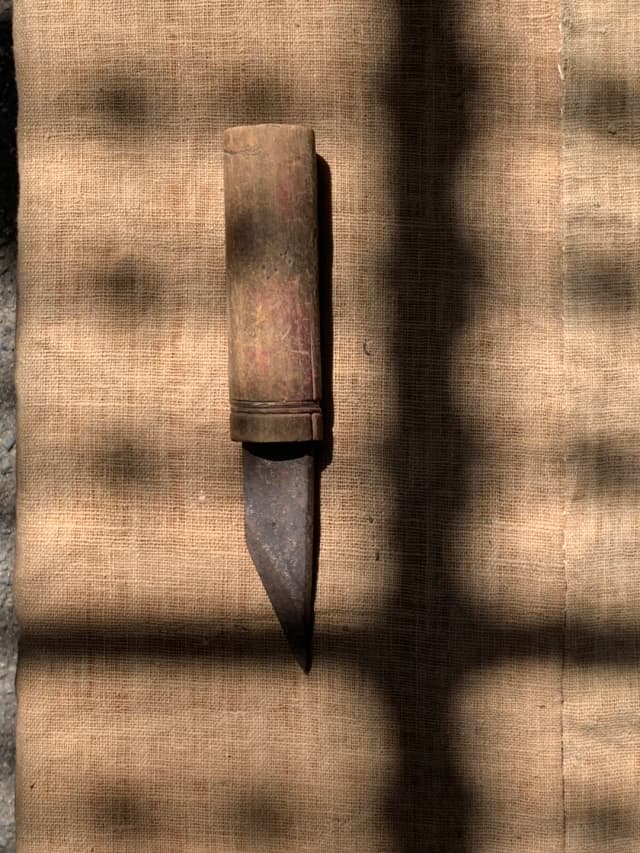
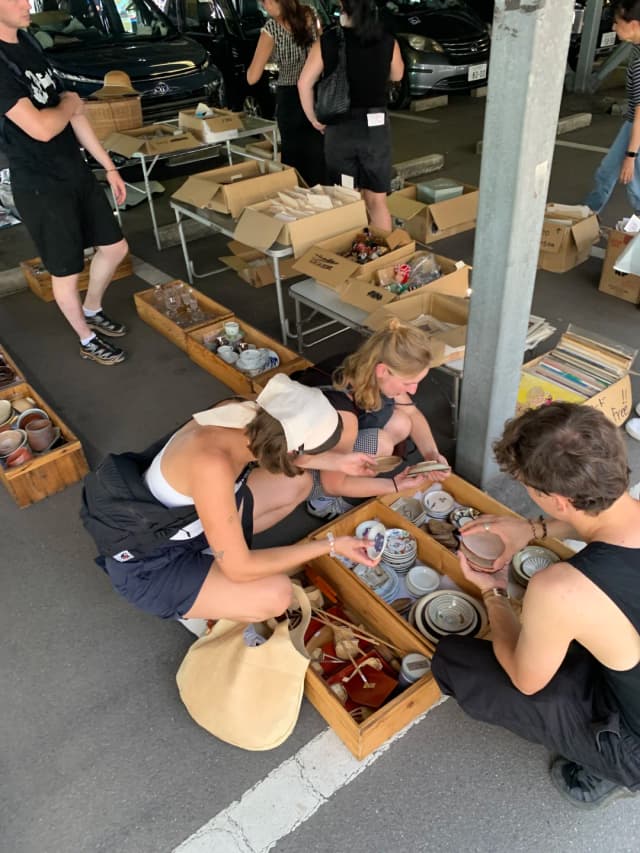
After a whole day of selling, the real win is finding a treasure for yourself. Today's harvest: one handmade knife.

"After a whole day of selling, the real win is finding a treasure for yourself. Today's harvest: one handmade knife."

@馆长の日常

Mastering the Market: A Strategy for Finding Your Blade

Navigating a market with hundreds of vendors requires more than just luck; it demands a strategy. Seasoned regulars of the Ooi Racecourse Flea Market know that the best deals and most unique finds are often discovered at the very beginning and the very end of the day. To truly master the market and increase your chances of finding that perfect blade, timing is everything.

First, disregard the official 9:00 AM start time. The real action begins much earlier. Insiders recommend arriving before 8:00 AM, during the period when vendors trade amongst themselves. This is when the most interesting items often change hands before the general public even arrives. By observing these early transactions and engaging with vendors, you can get a first look at the day's best offerings. According to one experienced seller, if you approach a stall during this time and mention you're also a vendor (even if just for show, by saying something like "I'm at stall XX"), many sellers will offer you a significant discount, as prices are already low.

The second strategy is for the patient hunter: stay until the very end. Around 2:30 PM, as the official closing time approaches, an announcement will echo through the venue, prompting vendors to start packing up. This is when the 'carnival' begins. Many sellers, faced with the prospect of hauling unsold goods home, become highly motivated to sell. Prices drop dramatically, and some vendors may even be willing to part with items for next to nothing. As one regular puts it, the deals you can find at this time are so good, you'll be laughing about them in your sleep. This end-of-day rush is the ultimate opportunity for the bargain hunter to score an incredible deal on a potential masterpiece.

No joke, the deals you'll find are so good, you'll be laughing in your sleep.

"No joke, the deals you'll find are so good, you'll be laughing in your sleep."

@馆长の日常

A Tale of Two Markets: Why Ooi Racecourse Reigns Supreme

For visitors researching Tokyo's antique and flea markets, the Oedo Antique Market often comes up as a top recommendation. It's well-known and centrally located, attracting a steady stream of tourists. However, for the discerning shopper looking for better value and a larger selection, a compelling case can be made for bypassing Oedo in favor of the Ooi Racecourse Flea Market. It is a classic tale of two markets, and for those in the know, Ooi emerges as the undisputed champion.

The most significant advantage Ooi holds is its sheer scale. With over 400 stalls, it's double the size of the Oedo market, which typically hosts around 200 vendors. This immediately translates to a much wider variety of goods and a greater chance of stumbling upon that hidden gem, whether it's a handmade knife, a rare piece of pottery, or a vintage watch. More stalls mean more opportunities for discovery.

Beyond size, the price difference is staggering. Experienced vendors who sell at both locations have noted that the prices at Ooi are often almost half of what they are at Oedo for the exact same items. The reason for this disparity is simple economics: the stall fees at Oedo are significantly more expensive, and securing a spot is much more competitive. Vendors pass these higher overhead costs directly onto the consumer. At Ooi Racecourse, the lower operational costs create a more buyer-friendly environment, where deals are plentiful and the prices reflect a more local, less tourist-inflated reality. For the traveler whose goal is to find a quality piece without paying a premium, Ooi Racecourse is unequivocally the smarter choice.

It's the same vendors, the same items, but the price here is almost half of what you'd pay at the Oedo market.

"It's the same vendors, the same items, but the price here is almost half of what you'd pay at the Oedo market."

@馆长の日常

More Than a Transaction: The Soul of the Flea Market

The quest for a handmade blade at a Tokyo flea market is ultimately about more than the object itself. It’s an immersion into a culture of reuse, rediscovery, and human connection. Each stall is a micro-museum, each item has a past, and every vendor is a potential storyteller. This is an experience that a conventional shopping trip can rarely offer.

As one regular vendor at the Ooi market wisely observed, the most valuable part of the day isn't always the sales. Sometimes, the real gain comes from the conversations shared with fellow sellers and the personal joy of unearthing a special piece for one's own collection. This spirit permeates the market. It’s a community built on a shared passion for items with history. Taking the time to speak with vendors can reveal the story behind an item, adding a layer of meaning to your purchase that transforms it from a mere souvenir into a cherished memento.

While Ooi Racecourse stands out for its size and value, the spirit of the treasure hunt thrives in various pockets across Tokyo. If your itinerary allows, consider exploring other local markets that offer their own unique character. These gatherings are a fantastic way to experience a different side of the city's culture:

  • Shimokita Senro Gai Market: Nestled in the trendy neighborhood of Shimokitazawa, this market offers a curated, modern feel.
  • Tachikawa Suwa Shrine Market: Held on the grounds of a historic shrine, blending spiritual tranquility with the bustle of bargain hunting.
  • Tomioka Hachimangu Shrine Market: Another shrine-based market known for its antique and traditional goods.
  • Sumitomo Fudosan Shibuya Garden Tower Market: A more urban setting offering a mix of crafts and second-hand items.

Ultimately, finding the 'best' Japanese knife in Tokyo might not mean visiting the most famous store. It might mean spending a Sunday morning sifting through history, chatting with a local artisan, and walking away with a blade that chose you as much as you chose it. The art of the blade, in this context, is the art of the journey.

The real gain from a day at the market isn't always from sales, but from the conversations with fellow vendors and the treasures you find for yourself.

"The real gain from a day at the market isn't always from sales, but from the conversations with fellow vendors and the treasures you find for yourself."

@馆长の日常

Related Questions

Where is the Tokyo City Flea Market located?

The Tokyo City Flea Market is held every weekend at the Ooi Racecourse in Shinagawa, Tokyo.

What is the best time to arrive at the market for unique finds?

It is recommended to arrive before the official 9:00 AM start time, ideally before 8:00 AM, when vendors trade amongst themselves.

How can you find the best bargains at the end of the day?

Stay until around 2:30 PM when vendors begin packing up. Many sellers dramatically lower their prices to avoid taking unsold goods home.

What are the main types of goods sold at the Ooi Racecourse market?

Vintage clothing makes up about 50% of the market. The rest consists of general wares, toys, watches, and antiques.

How does the Ooi Racecourse market compare in size to the Oedo Antique Market?

The Ooi Racecourse market is significantly larger, with over 400 stalls, which is double the size of the Oedo market's typical 200 vendors.

Why are items at the Ooi market cheaper than at the Oedo market?

Prices at Ooi are often almost half of those at Oedo because stall fees are much lower for vendors, who then pass the savings onto customers.

Is it possible to find handmade Japanese knives at this flea market?

Yes, while you won't find them in large quantities, a patient treasure hunter might discover a single, exquisite handmade knife among the stalls.

What is a useful tip for getting a discount from sellers in the morning?

Approaching a stall early and mentioning that you are also a vendor can often lead to sellers offering you a significant discount.

What is the atmosphere of the market like, beyond just commerce?

The market is about more than just sales; it's an immersion into a culture of reuse, rediscovery, and human connection where items have a history.

Besides Ooi Racecourse, what is another Tokyo market mentioned?

Other suggested markets include the Shimokita Senro Gai Market, Tachikawa Suwa Shrine Market, and Tomioka Hachimangu Shrine Market.

Related Articles

Sources

[1]

来东京旅游,哪里能搞到又便宜又好的东西?

https://www.xiaohongshu.com/explore/68dd49...

[2]

在东京最大跳蚤市场逛3️⃣小时

https://www.xiaohongshu.com/explore/683ffa...

[3]

来东京旅游,哪里能搞到又便宜又好的东西?

https://www.xiaohongshu.com/explore/68dd49...

[4]

来东京旅游,哪里能搞到又便宜又好的东西?

https://www.xiaohongshu.com/explore/68dd49...

[5]

来东京旅游,哪里能搞到又便宜又好的东西?

https://www.xiaohongshu.com/explore/68dd49...

[6]

2025年12月第四周东京跳蚤市场信息

https://www.xiaohongshu.com/explore/692990...