Home
Shopping

The Best Places to Buy Traditional Japanese Textiles and Kimonos

7 SourcesUpdated November 30, 2025

TL;DR

Discover Tokyo's hidden shopping gems for traditional Japanese textiles and kimonos. This guide takes you from the bustling fabric paradise of Nippori Textile Town to the vintage treasure troves of Shimokitazawa and Harajuku, and the sprawling Ooi Racecourse Flea Market for incredible bargains on pre-loved pieces.

A Treasure Hunter's Guide to Japanese Textiles in Tokyo

Tokyo, a global epicenter of fashion and design, offers a shopping experience that extends far beyond contemporary trends. For travelers with an eye for craftsmanship and history, the city is a treasure trove of traditional Japanese textiles and the iconic kimonos they are used to create. Venturing beyond the gleaming department stores of Ginza and Shibuya reveals a world of dedicated fabric districts, charming vintage boutiques, and sprawling flea markets, each offering a unique path to acquiring these beautiful items.

Whether you are a seasoned crafter seeking the perfect bolt of fabric, a fashion enthusiast looking for a one-of-a-kind vintage haori jacket, or a collector searching for an authentic kimono, Tokyo's diverse shopping landscape caters to every quest. This guide will navigate you through the best spots in the city, from the crafter's paradise of Nippori Textile Town to the bohemian vintage racks of Shimokitazawa and the bargain-hunter's dream of the Ooi Racecourse Flea Market. Prepare to immerse yourself in a world of color, texture, and timeless Japanese artistry. For more general travel information, you can always consult Tokyo's official tourism website.
Nippori Textile Town: A Crafter's Paradise

For anyone with a passion for creating, sewing, or simply admiring beautiful fabrics, a pilgrimage to Nippori Textile Town is an absolute must. Located in the Arakawa Ward, this specialized district, known locally as Nippori Sen-i Gai, is the heart and soul of Tokyo's fabric trade. While many tourists flock to the city's more famous shopping districts, those in the know head here for an unparalleled selection of textiles.

Imagine an entire neighborhood where street after street is lined with shops dedicated to fabric. Here, you can find everything from simple cottons to luxurious silks, catering to designers, hobbyists, and quilters alike. This is the definitive destination for sourcing materials to create your own garments, be it a modern dress with a Japanese-inspired print or the intricate layers of a traditional kimono. The experience of visiting Nippori is about more than just shopping; it's an immersion into a vibrant world of color, pattern, and creative potential. It provides a fascinating, hands-on glimpse into a vital and artistic side of Tokyo's local economy, away from the typical tourist path.

In Arakawa Ward, you can discover the authentic 'Shitamachi' (downtown) atmosphere of the famous Nippori Textile Street.

"In Arakawa Ward, you can discover the authentic 'Shitamachi' (downtown) atmosphere of the famous Nippori Textile Street."

@东京留学-工作-生活分享

The Vintage Hunt: Finding Pre-Loved Kimonos in Tokyo's Trendiest Neighborhoods

While new kimonos can be a significant investment, the world of vintage, or 'furugi' (古着), offers a more accessible and eclectic way to own a piece of Japanese tradition. Tokyo's trendiest neighborhoods are home to countless second-hand stores where you can find beautifully preserved kimonos, haori jackets, and obi sashes, each with its own unique story.

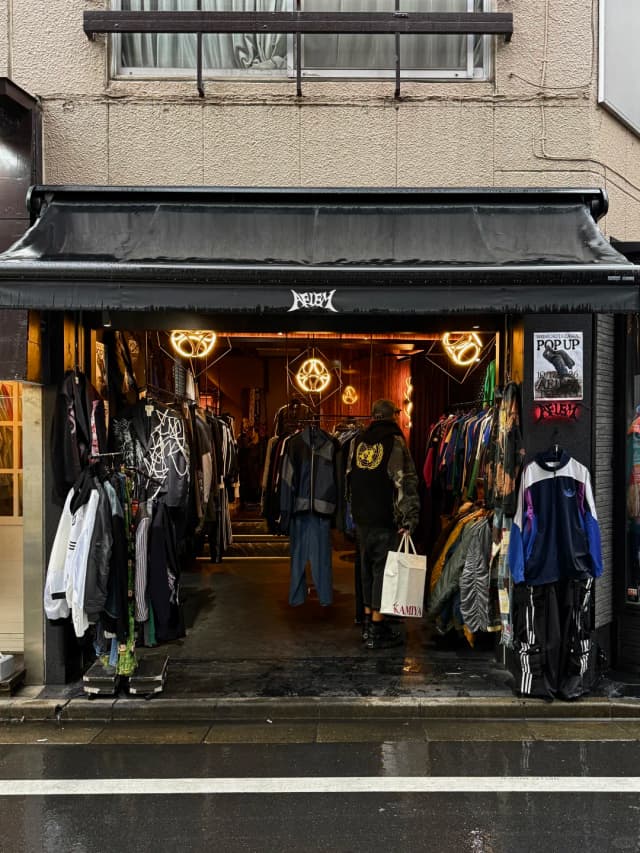
Shimokitazawa: The Vintage Mecca Known for its bohemian vibe and labyrinthine streets, Shimokitazawa is arguably Tokyo's premier destination for vintage clothing. The sheer density of shops makes it a paradise for treasure hunters. Here, you can spend an entire day sifting through racks of clothing from different eras, with a high chance of discovering stunning and affordable pre-loved kimonos. Some notable stores to explore in the area include:

  • BIG TIME
  • Step ahead
  • DESERTSNOW
  • Top of the Hill
  • JAM

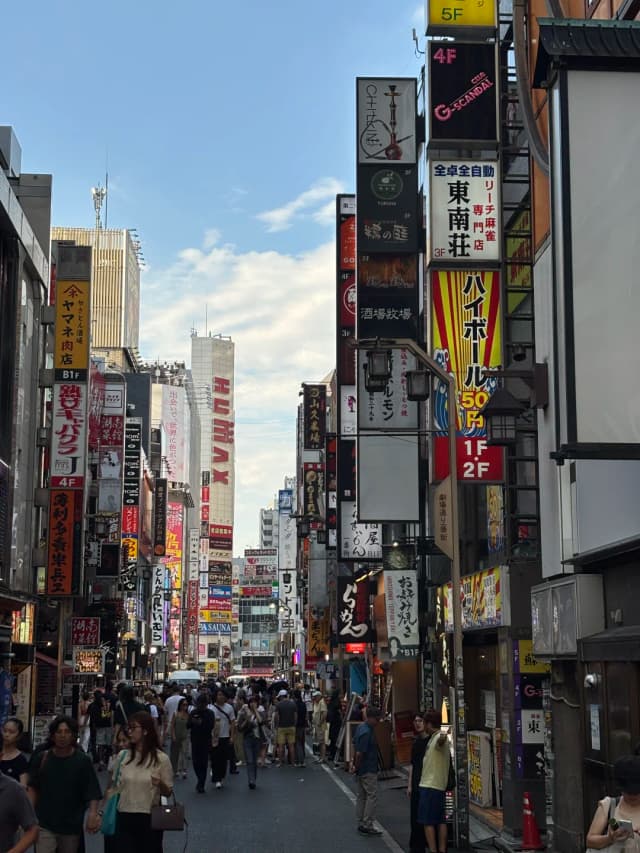
Harajuku & Omotesando: High Fashion Meets Street Style Harajuku, the epicenter of youth culture, is another hotspot for vintage finds. The famous Takeshita Street and its surrounding alleys are packed with stores offering a mix of contemporary and retro fashion, including stylized or reworked traditional garments. A short walk away is Omotesando, often called Tokyo's Champs-Élysées. While known for its luxury brands, its backstreets hide curated, high-end vintage boutiques where you might find exquisite, designer-quality kimonos.

Kichijoji: A Relaxed, Local Vibe For a less hectic shopping experience, head west to Kichijoji. This charming residential area is beloved by locals for its relaxed atmosphere, beautiful park, and fantastic collection of independent vintage and antique shops. Here, you can browse for traditional textiles and garments at a leisurely pace, discovering unique pieces that you won't find in the more centrally located, tourist-heavy districts.

Harajuku is a hub for trendsetters where you can hunt for vintage finds, perfect for street-style snaps.

"Harajuku is a hub for trendsetters where you can hunt for vintage finds, perfect for street-style snaps."

@吐司面包西多士

Markets and Meanderings: Unearthing Bargains and Traditional Wares

Beyond dedicated shopping districts, some of the best finds are waiting to be discovered in Tokyo's sprawling flea markets and historic temple streets, where the thrill of the hunt is part of the experience.

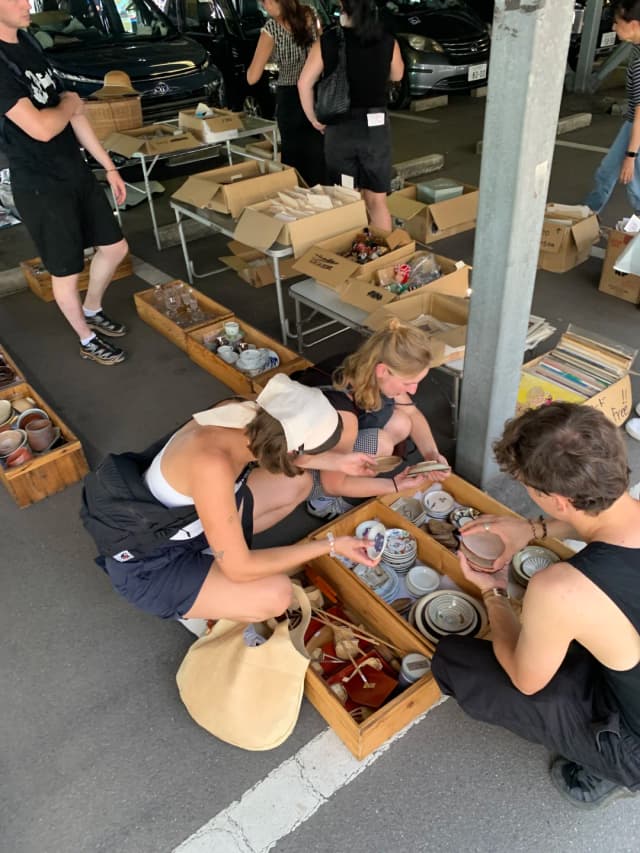
Ooi Racecourse Flea Market: The Ultimate Bargain Hunt For the serious bargain hunter, the Ooi Racecourse Flea Market (大井競馬場フリーマーケット) in Shinagawa is an unmissable weekend event. As one of Tokyo's largest markets, it boasts a staggering 400+ stalls, dwarfing even the well-known Oedo Antique Market. The real draw for textile lovers is that a remarkable 50% of the vendors specialize in vintage clothing ('古着'). This makes it a prime location for finding a wide variety of kimonos, yukatas, and other traditional attire at incredibly low prices. To make the most of your visit, follow the insider tips:

  • Arrive Early: Don't wait for the official 9:00 AM opening. The real action starts around 8:00 AM when vendors trade among themselves. Savvy shoppers who arrive early can often snag the best items at wholesale prices.
  • Stay Late: The market winds down after 2:30 PM. As vendors begin to pack up, many are willing to sell remaining items at a steep discount rather than transport them home, creating a 'carnival' of last-minute deals.

Asakusa's Nakamise-dori: Shopping Through History No trip to Tokyo is complete without a visit to the historic Asakusa district. The bustling Nakamise-dori, the shopping street leading to the famous Sensoji Temple, is steeped in the atmosphere of old Edo. While you can certainly find people renting kimonos to wear for the day, the street's many stalls are also a great place to shop for traditional goods. Here you can find beautiful yukatas (summer kimonos), handcrafted fans, 'geta' sandals, and a variety of small textile goods and accessories that make for perfect souvenirs. The experience is as much about soaking in the historic ambiance as it is about the shopping itself.

After 2:30 PM, it's a carnival—I'm not kidding, you'll snag so many last-minute deals from vendors packing up that you'll be smiling in your sleep.

"After 2:30 PM, it's a carnival—I'm not kidding, you'll snag so many last-minute deals from vendors packing up that you'll be smiling in your sleep."

@馆长の日常

Kuramae: The Artisan's Quarter

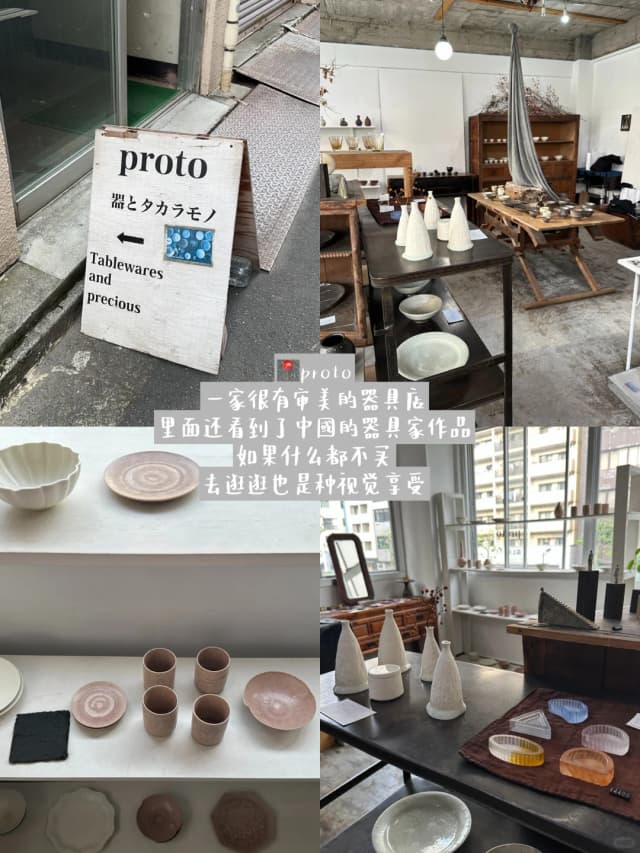
For those who appreciate modern design infused with traditional techniques, the quiet neighborhood of Kuramae offers a refreshing change of pace. Unlike the bustling energy of Tokyo's main shopping hubs, Kuramae is a serene and stylish district known for its focus on 'teshigoto'—handmade crafts. This area has become a hub for artisans, independent designers, and lifestyle brands.

As you wander its peaceful streets, you'll discover charming shops specializing in handcrafted goods, from stationery and leatherwork to ceramics and, importantly, textiles. This is the perfect place to find unique, artisan-made fabric items that blend contemporary aesthetics with Japanese craftsmanship. Look for beautifully designed 'tenugui' towels, modern 'furoshiki' wrapping cloths, or accessories made from locally sourced and dyed fabrics. A visit to Kuramae isn't just about purchasing an item; it's about connecting with the city's modern creative spirit and finding a piece that tells a story of thoughtful design and meticulous handiwork.

Kuramae is a quiet and beautiful street undisturbed by tourists; if you love lifestyle-focused shopping, this place is an absolute paradise.

"Kuramae is a quiet and beautiful street undisturbed by tourists; if you love lifestyle-focused shopping, this place is an absolute paradise."

@丹丹儿啊

Related Questions

What is Nippori Textile Town known for in Tokyo?

Nippori Textile Town, or Nippori Sen-i Gai, is the heart of Tokyo's fabric trade. It is known for its unparalleled selection of textiles, from simple cottons to luxurious silks, catering to designers, crafters, and hobbyists.

Which Tokyo neighborhood is considered the best for vintage kimono shopping?

Shimokitazawa is arguably Tokyo's premier destination for vintage clothing, including kimonos. It is known for its bohemian vibe and a high density of second-hand stores perfect for treasure hunting.

What does the Japanese term 'furugi' refer to?

'Furugi' (古着) is the Japanese term for vintage or second-hand clothing. It represents a more accessible and eclectic way to own traditional garments like kimonos and haori jackets.

What is a key tip for finding bargains at the Ooi Racecourse Flea Market?

For the best bargains, you should either arrive early around 8:00 AM when vendors trade among themselves, or stay late after 2:30 PM when sellers may offer steep discounts on remaining items.

What kind of traditional items can you buy on Asakusa's Nakamise-dori?

Asakusa's Nakamise-dori is a great place to shop for beautiful yukatas (summer kimonos), handcrafted fans, 'geta' sandals, and a variety of small textile goods and accessories.

What makes the Kuramae district's shopping experience unique?

Kuramae is known for 'teshigoto,' or handmade crafts. It offers a serene and stylish atmosphere where you can find unique, artisan-made items that blend contemporary aesthetics with traditional Japanese craftsmanship.

Where can you find vintage kimonos in a more relaxed, local atmosphere?

For a less hectic shopping experience with a local vibe, the charming residential area of Kichijoji is recommended for its fantastic collection of independent vintage and antique shops.

Why is the Ooi Racecourse Flea Market a great spot for finding kimonos?

It is one of Tokyo's largest markets with over 400 stalls, and about 50% of the vendors specialize in vintage clothing. This makes it a prime location for finding a wide variety of kimonos at very low prices.

Where can you find stylized or reworked traditional Japanese garments?

Harajuku, the epicenter of youth culture, is a hotspot for finding stylized or reworked traditional garments in its many stores along Takeshita Street and the surrounding alleys.

What are 'tenugui' and 'furoshiki' that can be found in Kuramae?

In the artisan district of Kuramae, you can find beautifully designed 'tenugui' towels and modern 'furoshiki' wrapping cloths, which blend contemporary design with traditional craftsmanship.

Related Articles

Sources

[1]

一张图带你了解东京23区

https://www.xiaohongshu.com/explore/68e87f...

[2]

东京一定要来下北泽逛Vintage店

https://www.xiaohongshu.com/explore/69217b...

[3]

东京高效逛街购物去哪里?去这6个地方就够啦

https://www.xiaohongshu.com/explore/68e100...

[4]

东京自由行必去❗15个热门景点完整攻略

https://www.xiaohongshu.com/explore/68a5ca...

[5]

来东京旅游,哪里能搞到又便宜又好的东西?

https://www.xiaohongshu.com/explore/68dd49...

[6]

东京自由行必去❗15个热门景点完整攻略

https://www.xiaohongshu.com/explore/68a5ca...

[7]

东京高效逛街购物去哪里?去这6个地方就够啦

https://www.xiaohongshu.com/explore/68e100...