Home
Accommodation

The Ultimate Guide to Capsule Hotels in Tokyo: What to Expect

12 SourcesUpdated November 30, 2025

TL;DR

Discover what to expect from Tokyo's compact accommodation scene. This guide, drawing from traveler experiences, covers the reality of small hotel rooms, highlights budget-friendly areas like Asakusa and Ueno, and offers practical tips on booking and what to pack for a comfortable, affordable stay.

The Tokyo Accommodation Mindset: Embrace the Compact

Before diving into specific accommodation types, it’s crucial for any traveler to Tokyo to adopt the right mindset: space is a premium. Many seasoned visitors will tell you that preparing for smaller-than-expected rooms is key. As one traveler noted, you should be “mentally prepared” for compact living spaces, a common characteristic of Japanese hotels. This reality is what makes efficient lodging concepts, like capsule hotels, so popular in the city's dense urban landscape.

A practical tip for navigating these cozy quarters comes from a traveler who learned from experience: consider your luggage. A large suitcase that opens flat can take up the entire floor, leaving no room to walk. A smart solution is to use a side-opening suitcase, which allows for easy access to your belongings without monopolizing precious floor space. Embracing this compact-living philosophy from the outset will make your stay much more comfortable and reflective of the true Tokyo experience.
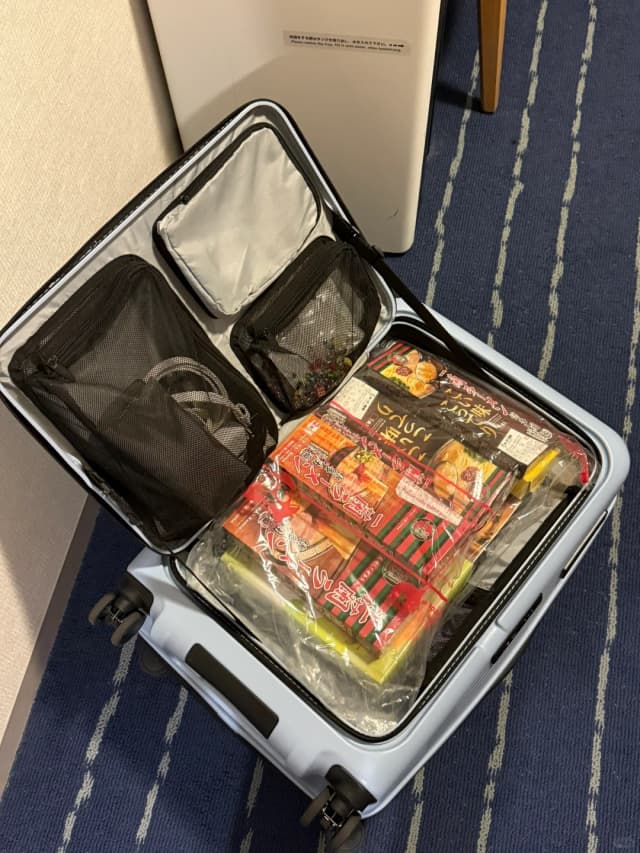
Japanese hotels are very small; a suitcase laid flat will make it impossible to walk, but a side-opening one perfectly solves this problem.

"Japanese hotels are very small; a suitcase laid flat will make it impossible to walk, but a side-opening one perfectly solves this problem."

@墨星✨繁天

Beyond the Capsule: Exploring Tokyo's Budget-Friendly Stays

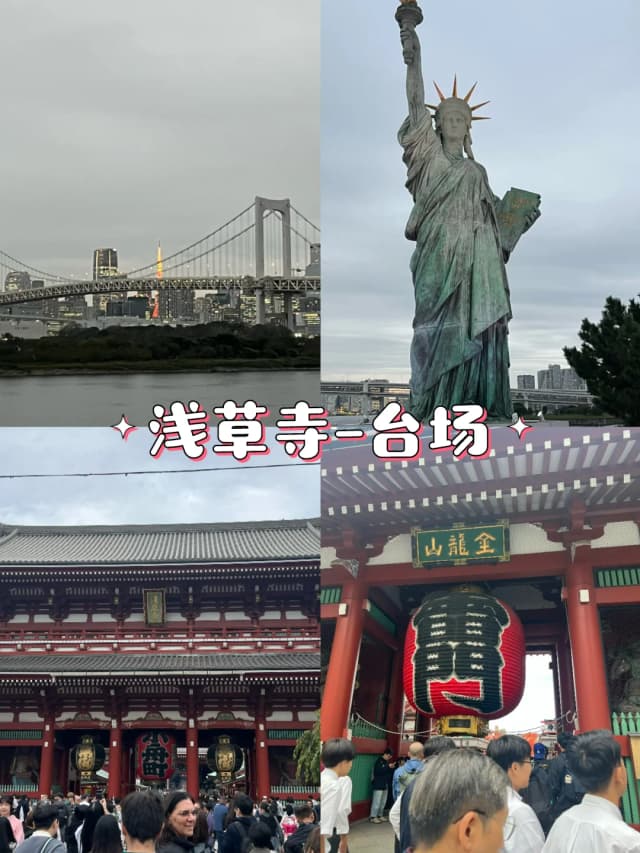
While Japan is famous for its futuristic capsule hotels, they are part of a broader ecosystem of budget-friendly lodging that savvy travelers utilize. One traveler's 10-day itinerary through Japan included a stay at a youth hostel, or '青旅', in the vibrant Asakusa district. This type of accommodation offers a wallet-friendly alternative for solo travelers or those looking to save on lodging without sacrificing a prime location.

Making smart accommodation choices is particularly important in Japan. As one visitor pointed out, Japan might not be the most suitable destination for '窮遊' (budget travel in the strictest sense), and having a sufficient budget often leads to a more enjoyable experience. Therefore, exploring options like youth hostels can be a strategic way to manage costs. These establishments often provide the basics for a comfortable stay, allowing you to allocate more of your budget towards experiences, food, and shopping, which are plentiful in a city like Tokyo. Choosing a well-located hostel, such as the one mentioned in Asakusa, also means you're right in the heart of the action, with easy access to iconic sites like Sensoji Temple.

I personally feel that Japan isn't a place for extreme budget travel; you'll have a more enjoyable experience with a sufficient budget.

"I personally feel that Japan isn't a place for extreme budget travel; you'll have a more enjoyable experience with a sufficient budget."

@一里诗 💕

Location, Location, Location: Prime Neighborhoods for Budget Stays

Choosing the right neighborhood is just as important as the type of accommodation. Traveler notes consistently highlight a few key areas that strike a balance between cost, convenience, and character.

The Convenient (But Pricier) Hubs: Shinjuku & Shibuya

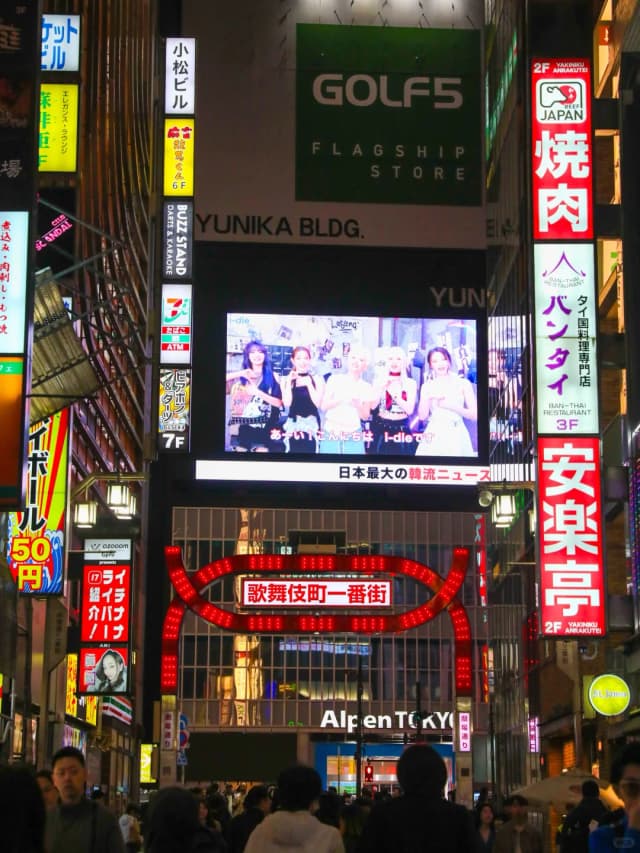
  • Shinjuku: Described as a 'transportation hub' and Tokyo's 'city that never sleeps,' Shinjuku is an excellent choice for first-time visitors who want to be in the center of it all. It offers unparalleled convenience for day trips to places like Mt. Fuji and Kamakura. The area is packed with department stores, izakayas, and the neon-lit streets of Kabukicho. While accommodation here is noted to be on the pricier side, its connectivity is a major draw.
  • Shibuya: Famous for its iconic scramble crossing, Shibuya is the heart of youth culture. It’s a fantastic area for shopping, cafes, and nightlife. Like Shinjuku, lodging here trends higher in price, but the vibrant energy and convenience are undeniable.

The Value-Packed Alternatives: Asakusa, Ueno & Ikebukuro For those with a limited budget, travelers recommend looking beyond the main hubs to these equally convenient but more affordable neighborhoods.

  • Asakusa: Frequently mentioned as a district where accommodation is 'relatively cheap.' It's home to the historic Sensoji Temple and offers a taste of old Tokyo. Its location also makes it a practical choice for those arriving from Narita Airport.
  • Ueno: Noted for its 'reasonable prices,' Ueno is a cultural hub with Ueno Park, Japan's first public park, which houses the Tokyo National Museum and the Ueno Zoo. It provides a more relaxed atmosphere while still being well-connected by the JR Yamanote Line.
  • Ikebukuro: Another excellent budget-friendly option with great transport links. While not as central as Shinjuku, it's a major commercial district in its own right, boasting massive department stores, the Sunshine City complex, and a thriving anime and manga scene that rivals Akihabara.
Shinjuku and Shibuya are the most convenient but pricey areas; for those on a budget, Ueno or Ikebukuro are great alternatives with excellent transport links.

"Shinjuku and Shibuya are the most convenient but pricey areas; for those on a budget, Ueno or Ikebukuro are great alternatives with excellent transport links."

@LilyLily

Essential Tips for a Smooth Stay

Once you've chosen your neighborhood, a few practical tips drawn from fellow travelers can make your stay in Tokyo's compact accommodations much smoother.

First and foremost, book in advance. As one traveler emphatically states, Tokyo is a city that will 'punish' those who don't make reservations. This applies to popular restaurants and attractions, and certainly to well-priced, well-located accommodation, especially during peak seasons.

For getting around, a reloadable transportation card like a Suica card is an absolute must. You can add it to your Apple Wallet for ultimate convenience, using it for subways, buses, and even purchases at convenience stores. Staying near a station on the JR Yamanote Line is also highly recommended, as this loop line connects most of Tokyo’s major hubs, including Shinjuku, Shibuya, Ueno, and Ikebukuro, making sightseeing incredibly efficient.

When it comes to packing and daily life, keep these points in mind:

  • Amenities: While many hotels provide basics, some items like specific toiletries might need to be requested from the front desk. It's also wise to bring your own slippers, as they aren't always provided.
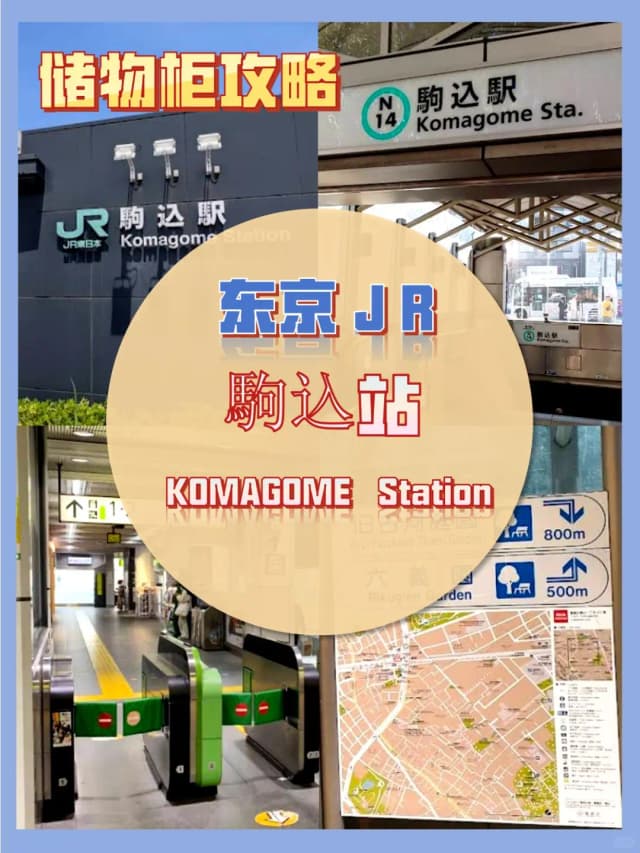
  • Luggage Storage: If your room is small or you arrive before check-in, make use of the plentiful coin-operated luggage lockers found in train stations like Komagome Station. This frees you up to explore without being weighed down.
  • Essentials to Carry: Many travelers suggest carrying a small bag for your own trash, as public bins are famously scarce on Tokyo's streets. Also, consider bringing a small pack of tissues, as the paper in public restrooms can be quite thin.
Japan will punish everyone who doesn't make a reservation!

"Japan will punish everyone who doesn't make a reservation!"

@清禾国际日本旅行

Related Questions

What is a key mindset for travelers regarding Tokyo accommodations?

Travelers to Tokyo should be mentally prepared for smaller-than-expected rooms, as space is a premium. Embracing the compact-living philosophy from the start leads to a more comfortable and authentic experience.

Why is a side-opening suitcase recommended for Tokyo hotels?

A side-opening suitcase is recommended because a large suitcase that opens flat can take up the entire floor in a small room. The side-opening design allows for easy access without monopolizing precious space.

What are some budget-friendly lodging options in Tokyo?

Besides traditional hotels, Tokyo offers budget-friendly options like futuristic capsule hotels and youth hostels ('青旅'). These are popular for saving on lodging while staying in prime locations like Asakusa.

Which Tokyo neighborhoods are convenient but more expensive?

Shinjuku and Shibuya are described as convenient but pricier hubs. They are excellent for first-time visitors due to their central location, transportation links, and vibrant atmosphere, but accommodation costs are higher.

What are some recommended value-packed neighborhoods in Tokyo?

For travelers on a limited budget, Asakusa, Ueno, and Ikebukuro are recommended. These areas offer relatively cheap and reasonably priced accommodation while still providing great character and transport links.

Why is it important to book accommodation in Tokyo in advance?

Booking in advance is crucial because well-priced and well-located accommodation gets reserved quickly, especially during peak seasons. One traveler noted that Tokyo will 'punish' those who don't make reservations.

What is a Suica card and why is it useful for tourists?

A Suica card is a reloadable transportation card that is essential for getting around Tokyo. It can be used for subways, buses, and even for purchases at convenience stores, and can be added to an Apple Wallet.

Why is staying near the JR Yamanote Line a good strategy?

Staying near a station on the JR Yamanote Line is highly recommended because it is a loop line connecting most of Tokyo’s major hubs. This makes sightseeing incredibly efficient and convenient for travelers.

What are two useful items to carry daily while exploring Tokyo?

Travelers suggest carrying a small bag for your own trash, as public bins are scarce on Tokyo's streets. It is also wise to carry a small pack of tissues for use in public restrooms.

Where can you store luggage if your hotel room is too small?

If your room is small or you arrive before check-in, you can use the plentiful coin-operated luggage lockers. These are commonly found in train stations and allow you to explore the city without being weighed down.

Related Articles

Sources

[1]

刚从日本回来,总结了一份保姆级攻略

https://www.xiaohongshu.com/explore/68a43f...

[2]

原来东京真的会惩罚不预约的人!!

https://www.xiaohongshu.com/explore/68c3ee...

[3]

10天🇯🇵东京自由行🗼总花费RM5420!

https://www.xiaohongshu.com/explore/690ee9...

[4]

日本🇯🇵10天9夜自由行超详细攻略 阪进东出

https://www.xiaohongshu.com/explore/6842e7...

[5]

第一次去东京怎么玩这篇攻略帮你省下1w日元

https://www.xiaohongshu.com/explore/68c948...

[6]

原来东京真的会惩罚不预约的人!!

https://www.xiaohongshu.com/explore/68c3ee...

[7]

超实用!东京➕周边旅行超详细攻略来啦

https://www.xiaohongshu.com/explore/685bd0...

[8]

刚从日本回来,总结了一份保姆级攻略

https://www.xiaohongshu.com/explore/68a43f...

[9]

🥵日本会惩罚每一个不预约的人!!

https://www.xiaohongshu.com/explore/6846a3...

[10]

刚从日本回来,总结了一份保姆级攻略

https://www.xiaohongshu.com/explore/68a43f...

[11]

🇯🇵一个人勇闯日本30次总结出的!!(最新版)

https://www.xiaohongshu.com/explore/68792c...

[12]

JR东京驹込站行李寄存指南

https://www.xiaohongshu.com/explore/688b79...