Home
Experiences

Top 5 Japanese Cooking Classes for Tourists in Tokyo

20 SourcesUpdated November 30, 2025

TL;DR

While our traveler notes don't detail specific Japanese cooking classes, they reveal a wealth of immersive culinary experiences in Tokyo. This guide explores alternative ways to learn about Japanese cuisine, from observing an Omakase master to exploring Tsukiji Market and grilling your own A5 Wagyu.

A Culinary Quest: Learning Through Tasting

Tokyo, a global epicenter of gastronomy, offers endless avenues for culinary exploration. While the dream of mastering sushi or ramen in a formal cooking class is appealing, a deep dive into traveler experiences reveals a different path to understanding Japanese cuisine. The notes from seasoned visitors and locals alike paint a picture not of classrooms, but of immersion—learning through observing, tasting, and engaging directly with Tokyo's vibrant food culture. This guide, therefore, reinterprets the idea of a 'cooking class' to present five essential culinary 'lessons' any tourist can experience, drawing directly from on-the-ground reports.

Instead of a set curriculum, we propose a journey through Tokyo's most authentic food settings. From the hushed reverence of an Omakase counter to the sizzling energy of a Yakiniku grill, these experiences offer profound insights into the techniques, ingredients, and philosophies that define Japanese food. Think of it as a hands-on education where your palate is the primary tool. Each meal becomes a lesson, each chef a master instructor, and the city itself, your sprawling campus. Join us as we explore how to learn the art of Japanese cooking not by following a recipe, but by diving headfirst into the experiences that make Tokyo's food scene one of the world's best.

If you could only eat at one single place in Tokyo, what would be your absolute top choice?

"If you could only eat at one single place in Tokyo, what would be your absolute top choice?"

@葡萄

Lesson 1: The Omakase Counter as a Masterclass

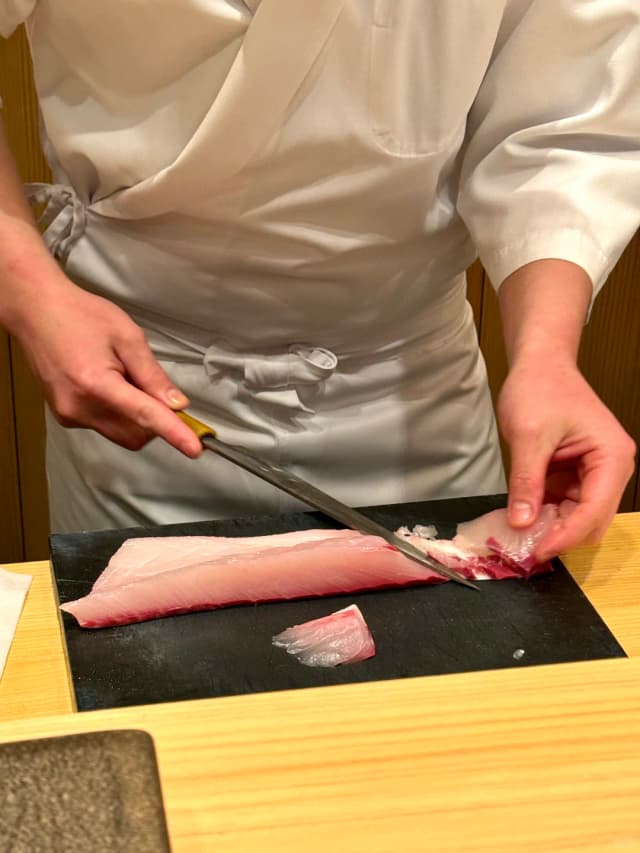
For a truly educational culinary experience, nothing compares to securing a seat at an Omakase counter. 'Omakase,' which translates to 'I'll leave it up to you,' is more than just a meal; it's a front-row seat to a masterclass in precision, seasonality, and the art of sushi. Here, the chef is both your cook and your guide, curating a journey through the best ingredients the sea has to offer on that particular day. It's an intimate performance where you can observe every slice of the knife and every press of the rice.

Travelers have shared exceptional experiences at a range of Tokyo's sushi establishments, from Michelin-starred venues to more accessible yet high-quality spots. At places like Sushi Azabu, a Michelin-starred restaurant in New York with a branch in Azabudai, a lunch course can offer an incredible value, presenting around 14 courses of meticulously prepared sushi and appetizers. Watching the chef work with different parts of the tuna—from the lean akami (red meat) to the fatty o-toro (belly)—or prepare glistening salmon roe is a lesson in itself. Other notes praise establishments like Sushi Nakamura and Edo-mae Sushi Tsusho, highlighting the diversity available.

Key takeaways from an Omakase 'class':

  • Seasonality: The menu is dictated by the day's best catch, teaching you the importance of seasonal ingredients in Japanese cuisine.
  • Technique: Observe the chef's knife skills, the precise way they form the shari (sushi rice), and the delicate application of wasabi or soy sauce.
  • Balance: Learn how different textures and flavors are balanced, from the clean taste of red snapper to the rich, creamy uni (sea urchin).
  • Pacing: An Omakase meal is a carefully paced performance, designed to build flavors and create a memorable narrative from the first bite to the last.
The chef pairs seafood based on what's in season, creating a 'blind box' experience that made me even more excited for the meal.

"The chef pairs seafood based on what's in season, creating a 'blind box' experience that made me even more excited for the meal."

@八酱饿着呢

Lesson 2: Interactive Grilling with Yakiniku and Yakitori

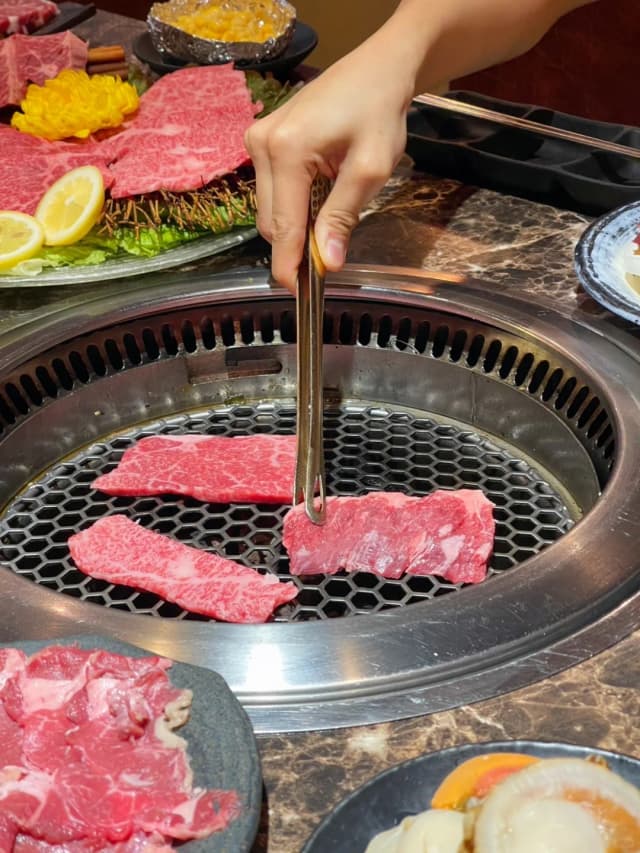
If Omakase is a lesson in observation, Yakiniku (grilled meat) is a hands-on workshop. This beloved Japanese dining style places you in the role of the chef, providing a personal grill and plates of beautifully marbled raw meat for you to cook to your liking. It's a fun, social, and delicious way to learn about different cuts of beef and the simple perfection of high-quality ingredients.

Traveler notes are filled with raves for Tokyo's Yakiniku scene. At Yakiniku Kokokara near Tokyo Tower, diners praise the non-pushy service and exceptional quality, especially the beef tongue platter. High-end establishments like YORONIKU in Minami-Aoyama offer a more curated experience, where staff might guide you through the cooking process, explaining each cut as they go. Even walk-in spots in Shinjuku are noted for serving A5 Wagyu at incredible prices, where the meat is so tender it seems to melt on the tongue. This direct interaction with the food teaches you about heat control and timing—how a few seconds can change a cut of meat from rare to well-done.

Equally educational is the world of Yakitori, or grilled chicken skewers. While you don't cook them yourself, sitting at the counter of a Yakitori-ya offers a masterclass in butchery and flavor. Chefs expertly grill dozens of different parts of the chicken, from the thigh to the heart, each seasoned simply with salt (shio) or a sweet soy glaze (tare). Restaurants like Fukumimi in Shinjuku provide a lively atmosphere to witness this craft, showcasing how a single ingredient can be transformed into a multitude of distinct and delicious bites.

This was the Yakiniku of a lifetime! From now on, all other grilled meat will just be a compromise. You really have to try it once!

"This was the Yakiniku of a lifetime! From now on, all other grilled meat will just be a compromise. You really have to try it once!"

@芒果很忙

Lesson 3: Ingredient Immersion at Tsukiji Outer Market

Before any cooking can begin, a chef must understand their ingredients. There is no better place in Tokyo for this fundamental lesson than the Tsukiji Outer Market. Dubbed 'Tokyo's Kitchen,' this bustling labyrinth of stalls is where many of the city's top chefs source their provisions. While the famous inner market's tuna auction has moved to Toyosu, the outer market remains a vibrant hub of culinary activity, perfect for a morning of exploration and tasting.

A visit here is an education for the senses. You can see, smell, and taste an incredible variety of fresh and prepared foods. Stroll through the narrow lanes and you'll find:

  • Fresh Seafood: While you might not be buying a whole tuna, you can marvel at the variety of fish, shellfish, and other sea creatures on display.
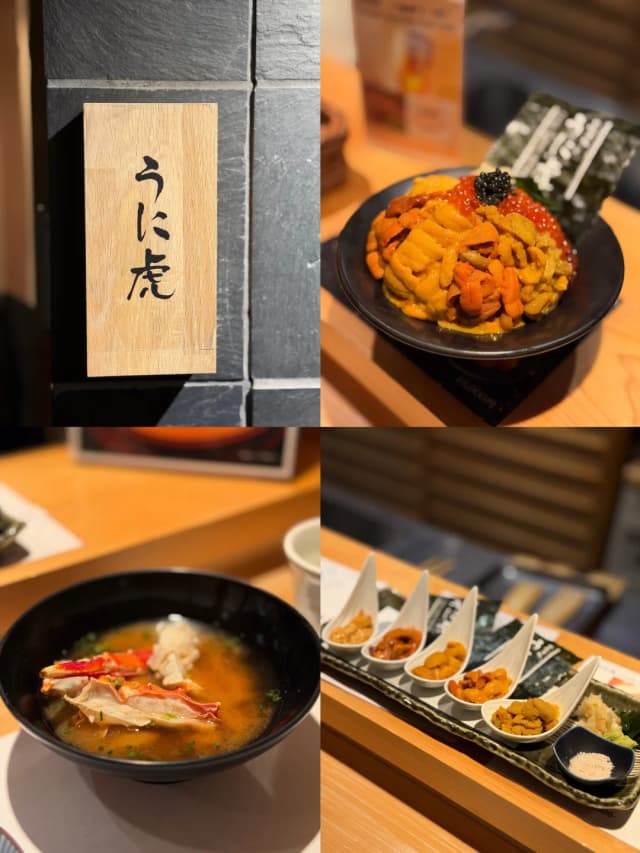
  • Street Food: Sample freshly grilled scallops, sweet tamagoyaki (rolled omelet), and, of course, some of the freshest sushi and sashimi you'll ever have. Many notes highlight the amazing value and quality of the seafood rice bowls (kaisendon), like those at Unitora, which are piled high with glistening sea urchin and tuna.
  • Pantry Staples: Discover essential Japanese ingredients like kombu, katsuobushi (bonito flakes), miso, and a vast array of pickles (tsukemono).

Exploring Tsukiji provides a deep appreciation for the quality and diversity of ingredients that form the backbone of Japanese cuisine. It's a living classroom that demonstrates the deep connection between the sea, the land, and the plate. To learn more about Japanese food culture, a visit is a must. Find out more at the official Tsukiji Outer Market website.

For sea urchin lovers, the signature rice bowl at Tsukiji Market's Unitora is a must-try; its deliciousness never gets old.

"For sea urchin lovers, the signature rice bowl at Tsukiji Market's Unitora is a must-try; its deliciousness never gets old."

@TR丨租车

Lesson 4: Deconstructing the Classics - Sukiyaki, Ramen, and Tempura

Beyond sushi and grilled meats, Tokyo offers a chance to deconstruct other iconic dishes through the simple act of eating. Each restaurant specializing in a particular dish provides a focused lesson on its history, preparation, and cultural significance. For tourists, seeking out these specialty shops is a delicious form of culinary education.

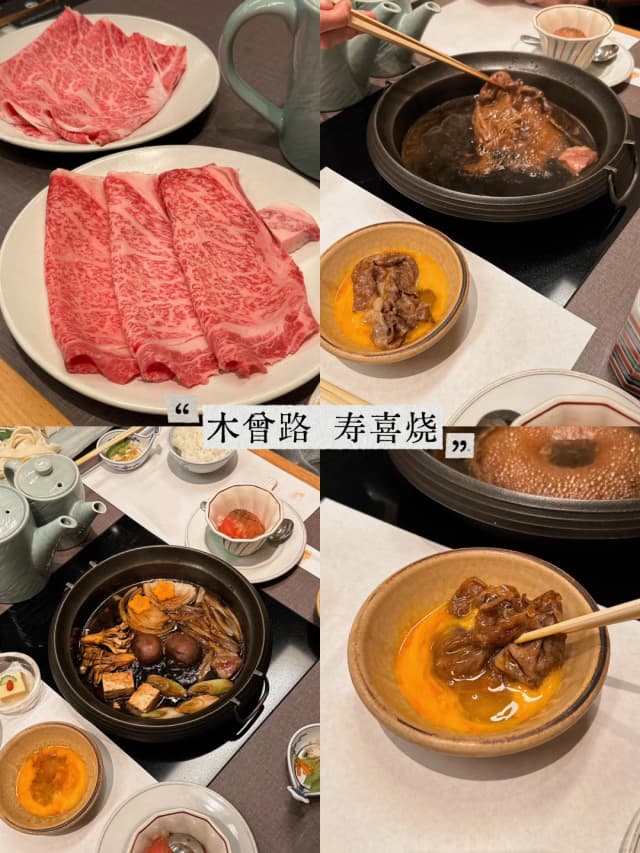
Take Sukiyaki, for example. At century-old institutions like Ningyocho Imahan or popular chains like Kisoji, this dish is often prepared tableside. A server will expertly arrange thinly sliced Wagyu, tofu, and vegetables in a shallow iron pot with a sweet soy-based broth. Watching this process teaches you about the balance of flavors and the importance of cooking each ingredient for the perfect amount of time before dipping it in raw egg. It's dinner and a show, offering a lesson in traditional Japanese hospitality and cooking technique.

Ramen is another universe to explore. Tokyo is home to countless ramen shops, each with its own secret recipe. By trying different styles, you learn about the regional variations and the four key components: the broth (dashi), the seasoning (tare), the noodles (men), and the toppings. Travelers recommend the light, citrus-infused broth of Afuri for a refreshing change, or the classic, rich tonkotsu (pork bone) broth from Ichiran. Trying tsukemen (dipping noodles) at a place like Tsujita offers yet another lesson in texture and concentrated flavor.

Finally, a meal at a Tempura specialist reveals the delicate art of deep-frying. While it may seem simple, achieving that light, crispy batter that doesn't feel oily is a true skill. Though some find it can be heavy, a good tempura meal showcases the natural flavors of seasonal vegetables and seafood, encased in a perfectly cooked shell. By tasting these classics in their element, you gain a deeper understanding of the craft behind Japan's most beloved foods.

A lady in a kimono will come to prepare the sukiyaki; I love the fatty cuts—they are smooth, delicate, juicy, and simply melt in your mouth.

"A lady in a kimono will come to prepare the sukiyaki; I love the fatty cuts—they are smooth, delicate, juicy, and simply melt in your mouth."

@汤哈哈

Lesson 5: Private Chef - The Ultimate Bespoke Experience

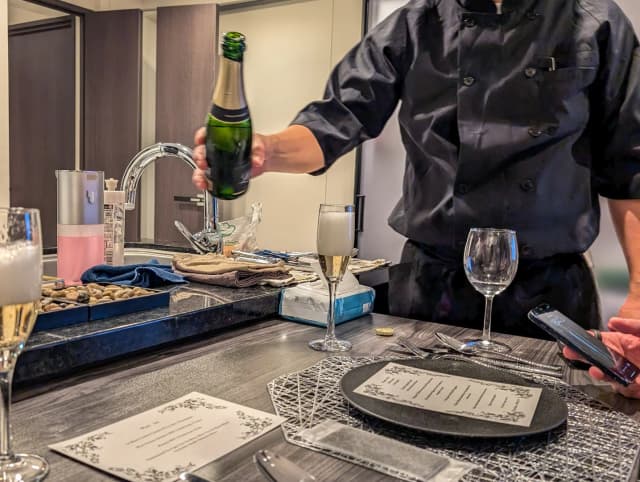
For the ultimate personalized culinary lesson, consider an experience that brings the chef directly to you. While not a traditional cooking class where you participate, hiring a private chef to cook in your accommodation offers an unparalleled opportunity for one-on-one interaction and learning. One traveler shared a unique experience of booking a private chef who prepared an 11-course French meal in their rental home. Although this example featured French cuisine, a similar service focusing on Japanese food would provide an intimate look into the craft.

Imagine a skilled chef preparing a multi-course kaiseki meal right in your kitchen. This setting allows for a level of engagement impossible in a busy restaurant. You can ask questions, observe techniques up close, and learn about the philosophy behind each dish. The chef can explain their choice of ingredients, the purpose of each preparation step, and the cultural context of the meal. This is a chance to go beyond just eating and truly understand the 'why' behind Japanese culinary traditions.

Services connecting diners with private chefs are becoming more accessible. Websites like Prime Chef offer a platform to find and book chefs across Japan specializing in various cuisines, including sushi, tempura, and traditional Japanese dining. This bespoke experience allows for a fully customized menu and a learning environment tailored to your interests. It's a luxurious but deeply educational way to engage with Japan's food culture, turning your dinner into an unforgettable, interactive lesson.

Having a private chef in our rental meant we could completely relax, watch the cooking process up close, and chat directly with him.

"Having a private chef in our rental meant we could completely relax, watch the cooking process up close, and chat directly with him."

@404家的东西们

Related Questions

What does 'Omakase' mean in a Japanese restaurant?

'Omakase' translates to 'I'll leave it up to you.' It is a meal where the chef selects and prepares a series of dishes based on the freshest seasonal ingredients available that day.

How is a Yakiniku meal a hands-on experience?

Yakiniku is a hands-on dining style where you are provided with a personal grill and plates of raw meat. You then cook the meat yourself at the table to your own liking.

Why should a food lover visit the Tsukiji Outer Market?

Known as 'Tokyo's Kitchen,' the Tsukiji Outer Market is the perfect place to understand Japanese ingredients. You can sample fresh street food and see the incredible variety of seafood that forms the backbone of the cuisine.

What is the main difference between Yakiniku and Yakitori?

In Yakiniku (grilled meat), diners cook the meat themselves on a grill. In Yakitori (grilled chicken skewers), the chef expertly cooks various parts of the chicken for the customers.

How can eating Sukiyaki be a learning experience in Tokyo?

Many traditional restaurants prepare Sukiyaki tableside. This allows you to watch the server cook and learn about the balance of flavors and the ideal cooking time for each ingredient.

What is the best way to learn about the different types of ramen?

The best way to learn is by visiting various specialty ramen shops in Tokyo. Each shop has its own unique style, allowing you to taste and understand the key components like broth, tare, and noodles.

What key culinary lesson does an Omakase meal teach?

An Omakase meal is a masterclass in seasonality, technique, and balance. You can observe the chef's precise skills and learn how the freshest daily ingredients are used to create a perfectly paced meal.

What can you find at Tsukiji Outer Market besides fresh fish?

Besides fresh seafood, you can find a wide variety of street food like grilled scallops and rolled omelets (tamagoyaki). The market also sells essential pantry staples like kombu, katsuobushi, and miso.

What makes preparing Tempura a skillful art?

While it may seem simple, achieving a light, crispy batter that doesn't feel oily is a true skill. A great tempura meal showcases the natural flavors of seasonal ingredients encased in a perfectly cooked shell.

Why is hiring a private chef considered a personalized culinary lesson?

Hiring a private chef allows for direct, one-on-one interaction that's impossible in a restaurant. You can ask questions, observe techniques up close, and learn the philosophy behind each dish from a master.

Related Articles

Sources

[1]

东京必吃

https://www.xiaohongshu.com/explore/685a07...

[2]

🇯🇵东京人均240🍣米其林1星omakase吃到饱

https://www.xiaohongshu.com/explore/68b9a3...

[3]

在东京超推荐的三家Omakase🍣(好预约版

https://www.xiaohongshu.com/explore/68d2b5...

[4]

在东京超推荐的三家餐厅🍣🥩🍜

https://www.xiaohongshu.com/explore/6842c0...

[5]

东京Omakase性价比之王|Sushi Azabu

https://www.xiaohongshu.com/explore/6864ce...

[6]

🗼东京塔附近日本烤肉我必须推荐这家

https://www.xiaohongshu.com/explore/68f770...

[7]

京都\东京吃肉记录(二)🍖

https://www.xiaohongshu.com/explore/68a581...

[8]

在涩谷!!传说中吃了会念念不忘的店真的存在

https://www.xiaohongshu.com/explore/68721d...

[9]

Tokyo | 一周东京美食记录📝不踩雷版

https://www.xiaohongshu.com/explore/684979...

[10]

东京🇯🇵让我难忘的小破店

https://www.xiaohongshu.com/explore/6902fa...

[11]

东京自由行必去❗15个热门景点完整攻略

https://www.xiaohongshu.com/explore/68a5ca...

[12]

🇯🇵日本|东京市区3日游绝佳路线

https://www.xiaohongshu.com/explore/68b174...

[13]

🇯🇵喜报!!东京筑地市场没踩雷的一顿饭!!

https://www.xiaohongshu.com/explore/68ddec...

[14]

时隔多年来吃虎杖 还是这么美味😋

https://www.xiaohongshu.com/explore/6910c0...

[15]

全东京死得最值的牛

https://www.xiaohongshu.com/explore/6913eb...

[16]

Tokyo | 一周东京美食记录📝不踩雷版

https://www.xiaohongshu.com/explore/684979...

[17]

🍜在东京吃到人生蘸面和叉烧饭!つじ田/辻田

https://www.xiaohongshu.com/explore/685124...

[18]

东京小贵但值得吃的店

https://www.xiaohongshu.com/explore/68b986...

[19]

🍣|东京必吃点单区❗️

https://www.xiaohongshu.com/explore/687a15...

[20]

东京游记➊ 在民宿体验上门法餐私厨

https://www.xiaohongshu.com/explore/68b402...