
Home/Osaka
Experiences0 views

The Ultimate Guide to the Tenjin Matsuri, Japan's Greatest Festival

8 SourcesUpdated December 22, 2025

TL;DR

Discover the magnificent Tenjin Matsuri, one of Japan's Three Great Festivals and a tradition with over a thousand years of history. Held at the Osaka Tenmangu Shrine, this month-long summer celebration is a profound expression of the city's cultural heritage. The festival reaches its breathtaking climax on July 24th and 25th, transforming Osaka with vibrant energy. Witness the grand Riku Togyo, a land procession featuring approximately 3,000 participants in splendid traditional costumes. The highlight is the Funa Togyo, a spectacular boat procession on the Okawa River, which is accompanied by a dazzling display of 3,000 fireworks. This combination of events has earned the festival the nickname 'festival of fire and water.' This guide provides a detailed schedule for the final two days, along with essential visitor tips on transportation and the best spots for viewing the fireworks. A visit to the Tenjin Matsuri is an unforgettable journey into the heart of one of Japan's most spectacular cultural events.

Introduction: A Festival of Fire and Water

Osaka's Tenjin Matsuri, held annually at the Osaka Tenmangu Shrine, is a spectacular summer celebration with a history stretching back over a thousand years. It is counted among the most significant cultural events in the nation, standing alongside Kyoto's Gion Matsuri and Tokyo's Kanda Matsuri as one of the Three Great Festivals of Japan. This month-long event, running from late June to July 25th, is a profound expression of Osaka's vibrant heritage, combining solemn Shinto rituals with magnificent, large-scale public festivities.

The festival's breathtaking climax unfolds over its final two days, drawing massive crowds to witness a grand spectacle of processions on land and water. The combination of a stunning boat parade on the Okawa River and a dazzling fireworks display has earned the Tenjin Matsuri the evocative nickname, the "festival of fire and water." It is a captivating experience that showcases the city's deep historical roots and its enduring community spirit.
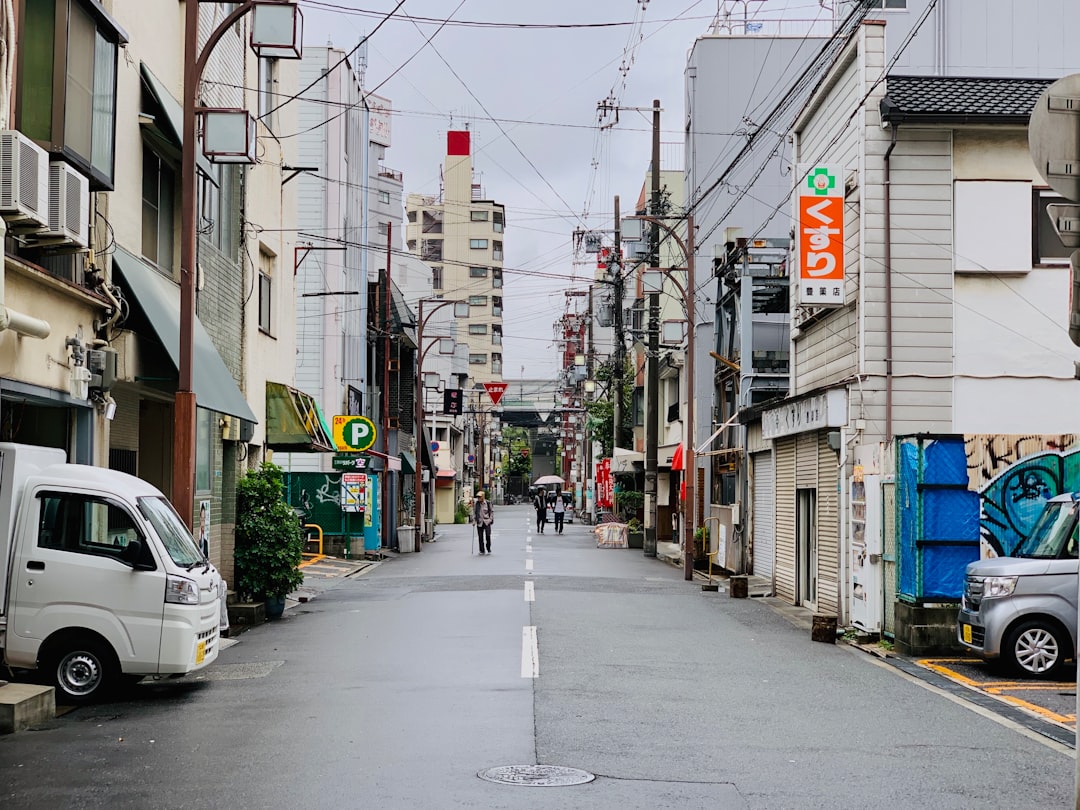
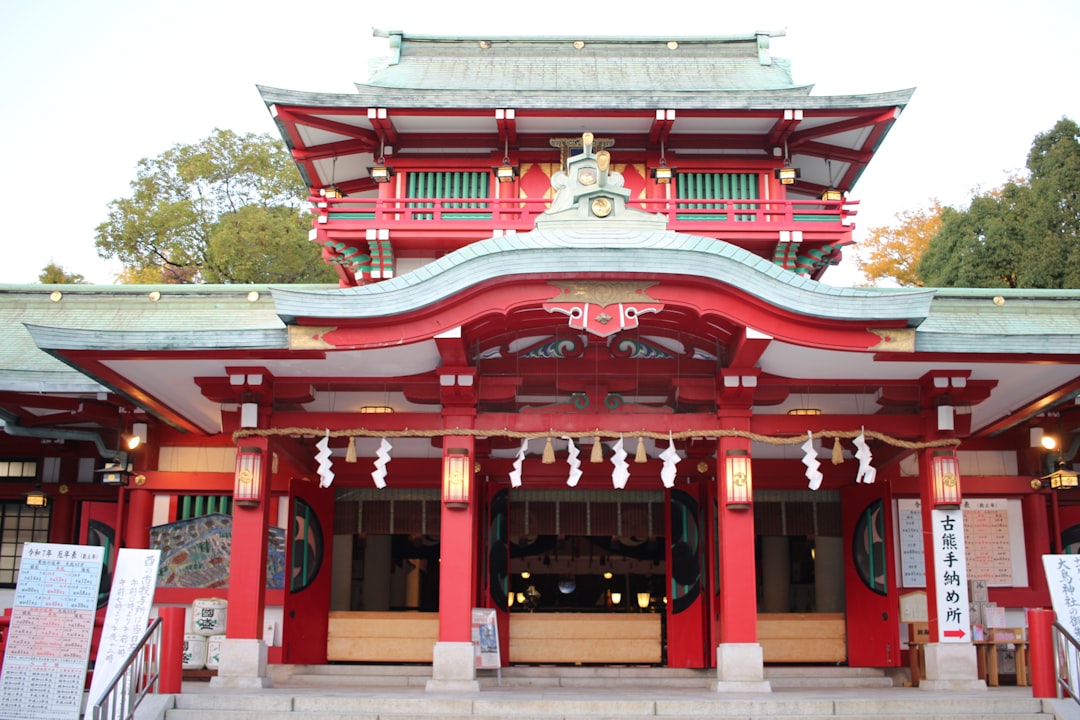
The Climax: Yoimiya (Eve Festival) and Honmiya (Main Festival)

While the Tenjin Matsuri spans an entire month, the true heart of the celebration beats on its final two days: the Yoimiya (宵宮) or Eve Festival on July 24th, and the Honmiya (本宮) or Main Festival on July 25th. These two days represent the festival at its most vibrant and spectacular, drawing together the entire community for its most sacred and lively events.

This is when the festival's grandeur is on full display, with approximately 3,000 participants dressed in magnificent traditional costumes taking to the streets and waterways of Osaka. The atmosphere is electric as the city comes alive with the sights and sounds of ancient rituals, lively parades, and breathtaking pageantry. These two days are the can't-miss chapters of the Tenjin Matsuri, offering an immersive journey into a tradition that has been celebrated for over a millennium.

July 24th: The Yoimiya Festival Schedule

The Eve Festival sets the stage for the main event with a series of important rituals and lively processions that fill the area around Osaka Tenmangu Shrine with a festive and sacred atmosphere.

The day's events typically follow this schedule:

  • 7:45 AM: The Yoimiya-sai, or Eve Festival Ceremony, commences in the main hall (Honden) of the shrine.
  • 8:50 AM: The Hokonagashi Shinji ritual takes place. This ancient purification ceremony is held at the former Wakamatsuhama, in front of the Tenma Police Station.
  • 4:15 PM: The Funami-yairi, or Boat Shrine Entry, occurs within the shrine's sacred precincts.
  • 4:30 PM: The energy builds as processions begin, featuring the dan-jiri (a festival float), the Hō-mikoshi (Phoenix portable shrine), and the Tama-mikoshi (Jewel portable shrine).
  • 7:20 PM: As evening falls, the captivating Shishimai (Lion Dance) performances take place, adding a dynamic and traditional flair to the day's celebrations.

July 25th: The Grandeur of the Honmiya Main Festival

The Main Festival on July 25th is the spectacular culmination of the month-long celebration, featuring the grand processions and fireworks that make the Tenjin Matsuri famous throughout Japan.

The day's schedule is packed with incredible sights:

  • 1:30 PM: The Honmiya-sai, or Main Festival Ceremony, is held in the shrine's main hall, marking the official start of the day's grand events.
  • 3:30 PM: The Riku Togyo, or Land Procession, begins. This is a magnificent parade featuring around 3,000 participants in traditional attire, who solemnly escort the shrine's deity through the streets of the city.
  • 6:00 PM: The Funa Togyo, or Boat Procession, commences. This is the festival's signature event, where a fleet of boats carrying the portable shrines and colorfully decorated vessels travels along the Okawa River.
  • 7:00 PM: The Hono Hanabi, or Dedicatory Fireworks, light up the night sky. Approximately 3,000 brilliant red plum fireworks are launched, creating a dazzling display over the river and the boat procession below.
  • 10:00 PM: The festivities conclude with the Miyan-iri, the solemn return procession of the deity to the shrine.

A Visitor's Practical Guide

To make the most of your visit to the Tenjin Matsuri, a little planning is essential, especially for the crowded final two days.

Location and Transportation The festival is centered around the Osaka Tenmangu Shrine and the nearby Okawa River. You can easily reach the area via public transportation:

  • Osaka Tenmangu Station or Minami-morimachi Station: These stations are the closest, requiring only a 3-minute walk to the shrine.
  • Tenmabashi Station: Located on the Keihan Main Line, this station is an 8-minute walk from the main festival area.

Fireworks Viewing Tips The fireworks display on the evening of July 25th is incredibly popular, and finding a good viewing spot requires arriving early. Recommended locations include:

  • Sakuranomiya Park: The north side of the park is a prime viewing area.
  • Near Tenmabashi Bridge: The riverbanks around this bridge also offer excellent views.

Due to the immense crowds, it is strongly advised to arrive at your chosen viewing spot at least two hours in advance to secure a place. For detailed maps and updated schedules, look for official promotional materials and pamphlets, which are often available in the weeks leading up to the festival. You can also find helpful information on the official Osaka tourism website.

Related Questions

What is the Tenjin Matsuri?

The Tenjin Matsuri is one of Japan's Three Great Festivals. It is a summer celebration with a thousand-year history held at the Osaka Tenmangu Shrine.

When are the main days of the Tenjin Matsuri?

The festival's climax occurs on its final two days: the Yoimiya (Eve Festival) on July 24th and the Honmiya (Main Festival) on July 25th.

Why is the festival called the 'festival of fire and water'?

It earned this nickname due to its spectacular Funa Togyo (boat procession) on the Okawa River, which is accompanied by a large Hono Hanabi (dedicatory fireworks) display.

What is the Riku Togyo?

The Riku Togyo is the grand land procession that takes place on July 25th, featuring about 3,000 participants in traditional attire.

What is the Funa Togyo?

The Funa Togyo is the festival's signature boat procession, where a fleet of vessels, including those carrying portable shrines, travels along the Okawa River.

How many fireworks are there during the festival?

There is a display of approximately 3,000 red plum fireworks on the evening of July 25th.

Where are the best places to watch the fireworks?

Recommended viewing spots are the north side of Sakuranomiya Park and the area near Tenmabashi Bridge. It's advised to arrive at least two hours early.

How do I get to the festival area?

You can get there via Osaka Tenmangu Station, Minami-morimachi Station (a 3-minute walk), or Tenmabashi Station (an 8-minute walk).

What happens on the eve of the main festival, July 24th?

July 24th is the Yoimiya (Eve Festival), which includes rituals like the Hokonagashi Shinji, processions of portable shrines, and Shishimai (Lion Dance) performances.

How many people participate in the main processions?

Approximately 3,000 people dressed in traditional costumes participate in the main processions.

Related Articles

Sources

[1]

2025大阪天满宫「天神祭 · 宵宫」全攻略

https://www.xiaohongshu.com/explore/685b88...

[2]

大阪天神祭2025日程表+全攻略

https://www.xiaohongshu.com/explore/686cdf...

[3]

2025大阪天满宫「天神祭 · 宵宫」全攻略

https://www.xiaohongshu.com/explore/685b88...

[4]

大阪天神祭2025日程表+全攻略

https://www.xiaohongshu.com/explore/686cdf...

[5]

大阪天神祭2025日程表+全攻略

https://www.xiaohongshu.com/explore/686cdf...

[6]

2025大阪天满宫「天神祭 · 宵宫」全攻略

https://www.xiaohongshu.com/explore/685b88...

[7]

2025大阪天满宫「天神祭 · 宵宫」全攻略

https://www.xiaohongshu.com/explore/685b88...

[8]

大阪天神祭2025日程表+全攻略

https://www.xiaohongshu.com/explore/686cdf...

Daisy Club - Influencer-Fueled Lifestyle and Travel Publisher

Daisy Club is an ambassador-powered lifestyle and travel publication that turns real stays and nights out into global discovery content. Our brands partner with handpicked micro-influencers—our "ambassadors"—to bring their experiences to life. Ambassadors stay at hotels, dine at restaurants, explore bars and try unique activities, then share authentic content on the social platforms where their audiences already live. We turn this source content into rich, editorial-style articles that make these experiences discoverable to a global audience. From hidden rooftop bars to design-driven hotels and must-try food spots, starting with the top travel cities across Asia Pacific, Daisy Club is building the freshest living guide to where to stay, eat and play around the world.

© 2026 Daisy Club. All rights reserved.