
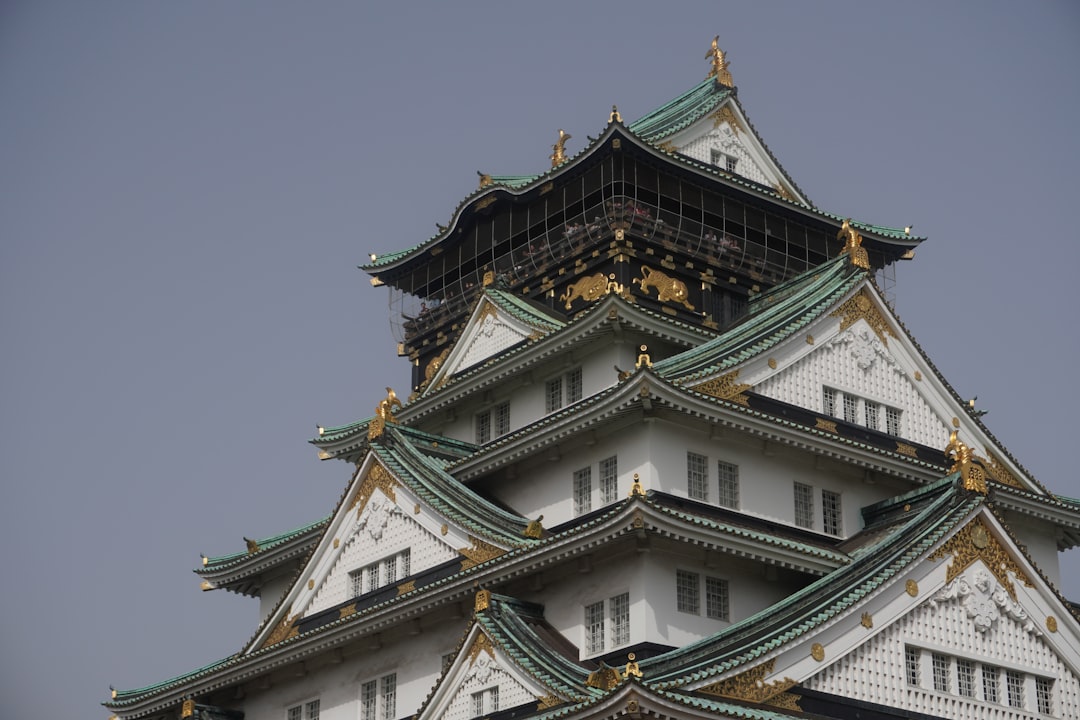
Beyond the neon-drenched streets of Dotonbori and its world-famous culinary scene, Osaka harbors a deep and diverse architectural soul, telling stories that span from ancient imperial courts to the bold visions of the modern era. This two-day itinerary is designed for the traveler eager to look beyond the surface, exploring the city's rich tapestry of art and structure. You'll journey through time, from the foundations of Japan's earliest Buddhist temples and palaces to magnificent castles that witnessed the final unification of the nation. We will also uncover repurposed heritage buildings that now serve coffee instead of currency, admire masterpieces of both Japanese and international art, and ascend to the top of contemporary marvels that pierce the skyline. Prepare to walk the grounds of legendary shoguns, dine in a piece of Taisho-era history, and witness the seamless blend of past and present that defines Osaka's unique urban landscape.
The Art and Architecture Tour of Osaka: A 2-Day Itinerary
TL;DR
Discover Osaka's rich structural and artistic heritage with this immersive 2-day itinerary. Go beyond the typical tourist trails to explore a city defined by its diverse architecture, from ancient foundations to modern marvels. Day one begins at the historic Osaka Castle, where you'll examine giant stone walls marked with feudal lords' crests and visit the Toyotomi Ishigaki-kan museum. The afternoon is spent in the elegant Nakanoshima district, admiring stately Western-style buildings like the Central Public Hall, before ascending the contemporary Umeda Sky Building for breathtaking city views. Day two delves into sacred history at Shitennoji, Japan's oldest official temple, and the Namba Palace Ruins. Experience architectural preservation firsthand with lunch at a cafe inside a 1931 bank building, then admire a rare masterpiece at the Fujita Museum of Art. The tour concludes with an atmospheric walk through the retro Shinsekai district, capturing the nostalgic glow of the Tsutenkaku Tower. This guide offers a unique perspective on Osaka, perfect for lovers of history, art, and design.
Introduction: Osaka's Structural Soul
Day 1: Castles, Classics, and Contemporary Heights
Your journey begins at Osaka's most iconic landmark: Osaka Castle. While the current main tower is a modern reconstruction, the surrounding park is a treasure trove of history. Pay close attention to the massive stone walls of the castle; these giant boulders were transported from all over Japan by various feudal lords (daimyo), who carved their family crests (kamon) into the stones to mark their contributions. For a deeper dive, visit the newly opened Toyotomi Ishigaki-kan (Toyotomi Stone Wall Museum) to learn about the castle's origins under Toyotomi Hideyoshi before the Tokugawa shogunate built over it. There's even a locked, hidden area near the keep that covers the buried remains of the original Toyotomi-era tower.
From the castle, make your way to the elegant district of Nakanoshima, an island nestled between two rivers that is renowned for its collection of stately Western-style buildings. Spend the afternoon strolling among architectural gems like the Osaka City Central Public Hall, the Osaka Prefectural Nakanoshima Library, and the Bank of Japan's Osaka branch. This area is also home to the Osaka National Museum of Art, an excellent stop for art enthusiasts. Depending on the timing of your visit, you may be able to catch one of the city's fascinating art exhibitions, such as the "Mucha & Yumeji Art Exhibition" or the "Sanno - Female Painter Exhibition."
As evening approaches, head north to the bustling Umeda district for a modern architectural finale. The Umeda Sky Building is a must-see, with its unique floating garden observatory connecting two towers. The ascent via the suspended escalator is a thrilling experience in itself. From the top, you'll be rewarded with a breathtaking 360-degree panoramic view of the sprawling Osaka metropolis as the city lights begin to twinkle, a perfect, glittering end to your first day of architectural exploration.
Day 2: Sacred Spaces, Fine Art, and Retro Charm
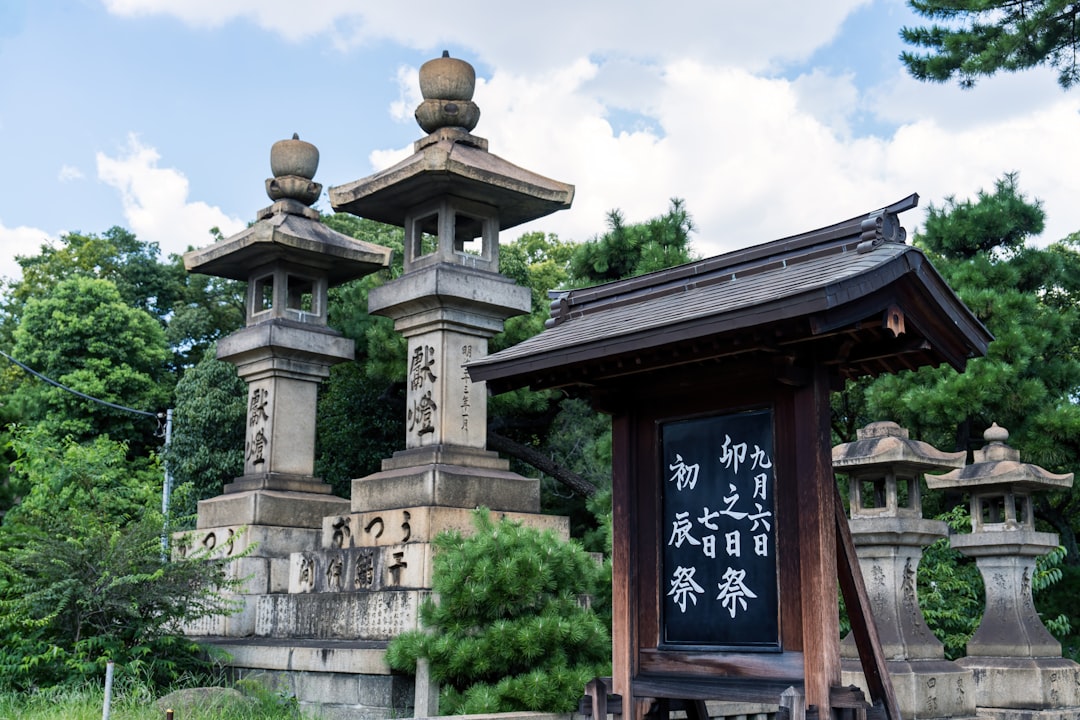
Begin your second day with a visit to Shitennoji Temple, a site of immense historical importance as it is considered the first Buddhist and oldest officially administered temple in Japan. Its serene grounds offer a peaceful start to the day and a glimpse into ancient Japanese temple architecture. Afterward, journey further back in time at the Namba Palace Ruins Park. While no original structures remain, the park has cleverly used different colored tiles on the ground to outline the building layouts of the imperial palaces that stood here during the Asuka (7th century) and Nara (8th centuries) periods.
For lunch, experience a stunning example of architectural preservation at 'Pan to Espresso to Sakaisuji Club'. This popular bakery and cafe is housed within the former Kawasaki Chochiku Bank Osaka Branch, a grand building constructed in 1931. Step inside to find a breathtaking space with a 9-meter-high ceiling, embodying the romanticism of Japan's Taisho era. For a truly unique dining experience, you can even book a table in the former bank vault, which has been transformed into a private room decorated with dried flowers.
In the afternoon, shift your focus to fine art with a visit to the Fujita Museum of Art. Though small, this museum is a treasure, housing an incredible collection that includes one of the world's only three existing Southern Song dynasty Yohen Tenmoku tea bowls, famous for the mesmerizing, star-like patterns in its glaze. The museum's tranquil garden and teahouse provide a perfect setting for quiet contemplation.
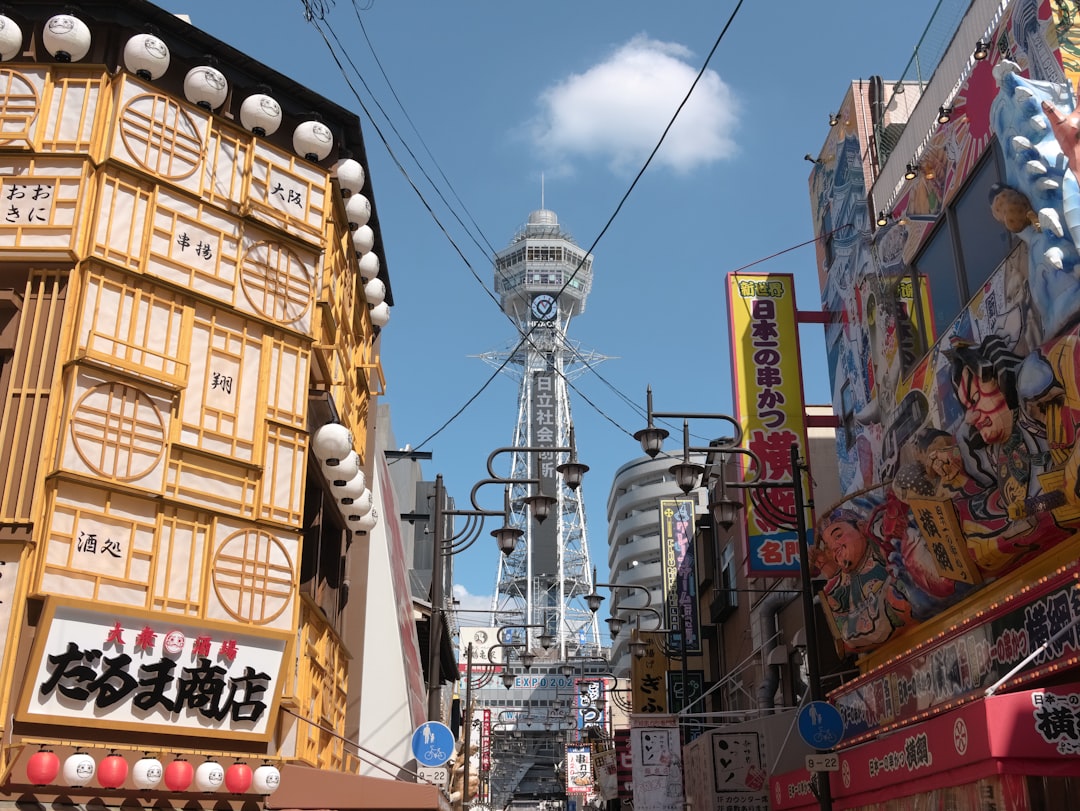
Conclude your tour with an evening stroll through the Shinsekai district. This area, developed before the war, retains a distinctly retro, Showa-era atmosphere. Its streets are famous for their colorful, larger-than-life signage and are dominated by the iconic Tsutenkaku Tower. It's a vibrant, nostalgic, and slightly gritty corner of Osaka that provides a fascinating contrast to the sleek modernity of Umeda and the classical elegance of Nakanoshima, completing your comprehensive tour of the city's diverse architectural heritage.