Home/Osaka
Itineraries2 views

The History Buff's Guide to Osaka: A 2-Day Historical Itinerary

4 SourcesUpdated December 22, 2025

TL;DR

Dive deep into the dramatic past of Osaka with this 2-day itinerary designed for the history buff. This journey goes beyond the city's modern facade to uncover a rich tapestry of ancient capitals and feudal battlegrounds. Day one is centered on the iconic Osaka Castle, where you'll learn the tale of two powerful clans, the Toyotomi and the Tokugawa. Explore the castle's massive stone walls, marked with the crests of samurai lords, visit the serene Hokoku Shrine dedicated to the great unifier Toyotomi Hideyoshi, and discover the free Toyotomi Stone Wall Museum. Day two takes you further back in time to the Namba Palace Ruins Park, where you can trace the outlines of 7th and 8th-century imperial palaces. The historical pilgrimage continues with a visit to the sacred Shitennoji Temple, Japan's oldest officially administered Buddhist temple, before concluding with an atmospheric evening stroll through the Edo-era alley of Hozenji Yokocho. This itinerary is your key to understanding the profound history that shaped this vibrant metropolis.

Introduction: Uncovering the Layers of Naniwa

Osaka, a city often celebrated for its dazzling modernity and legendary food scene, is built upon a foundation of profound and dramatic history. Long before it became Japan's Kitchen, it was Naniwa, an ancient imperial capital and a stage for the final, epic battles that unified the nation. For the history buff, a visit to Osaka is a journey through time, an opportunity to peel back the layers of the contemporary metropolis to reveal the stories of emperors, shoguns, and samurai that are etched into its very landscape.

This two-day itinerary is your guide to a deeper exploration of Osaka's past. We will walk the grounds of ancient palaces, decipher the secrets of a mighty castle's construction, and pay homage to the legendary figures who shaped the course of Japanese history. From the foundations of the 7th-century Namba Palace to the monumental legacy of the Toyotomi and Tokugawa clans, prepare to discover a side of Osaka that is as compelling as any of its modern attractions. This is a tour not just of places, but of the pivotal moments that defined a nation.

Day 1: The Age of Samurai and the Siege of Osaka Castle

Your first day is dedicated to the dramatic climax of Japan's Sengoku (Warring States) period, centered around its most iconic landmark: Osaka Castle.

Morning: The Castle Grounds and Walls of Power

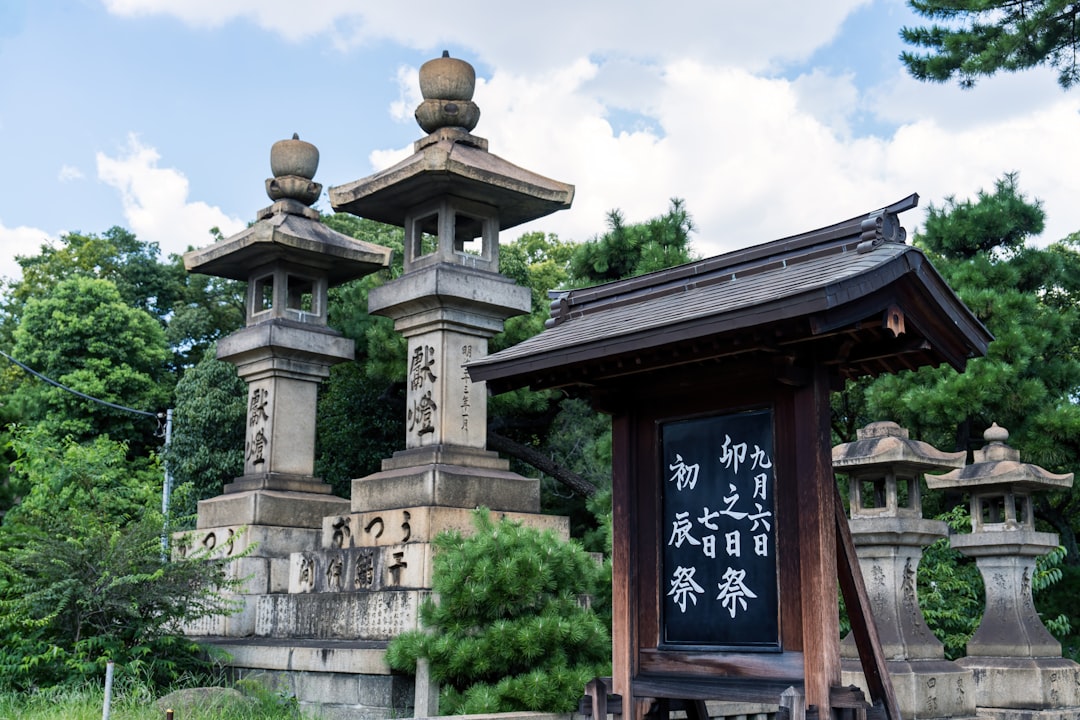
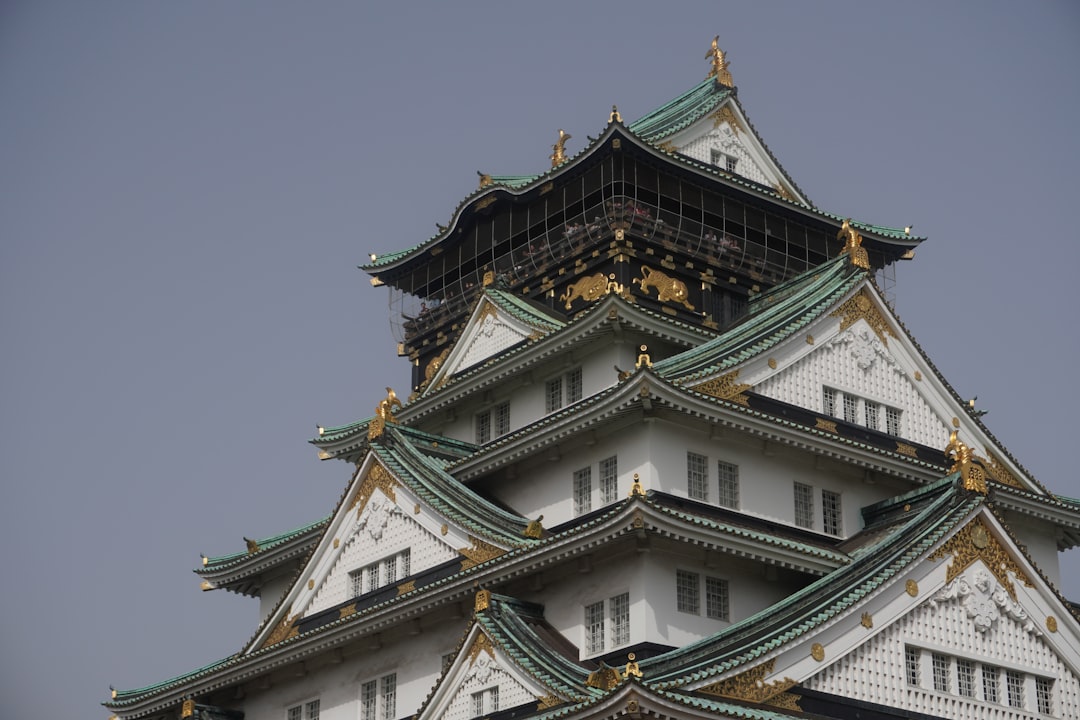
Begin your exploration at the vast Osaka Castle Park. As you approach the main keep, your attention will be drawn to the immense and imposing stone walls. These are not merely defensive structures; they are a political statement. The giant boulders were contributed by various feudal lords (daimyo) from across Japan as a display of allegiance to the Tokugawa shogunate, which rebuilt the castle. Take a close look at the stones, and you will discover a fascinating historical record:

  • Many of the stones are carved with kamon, or family crests, marking which lord was responsible for which section of the wall. It’s a game for history lovers to try and identify the crests of famous samurai clans.

Midday: A Tale of Two Castles - Toyotomi vs. Tokugawa

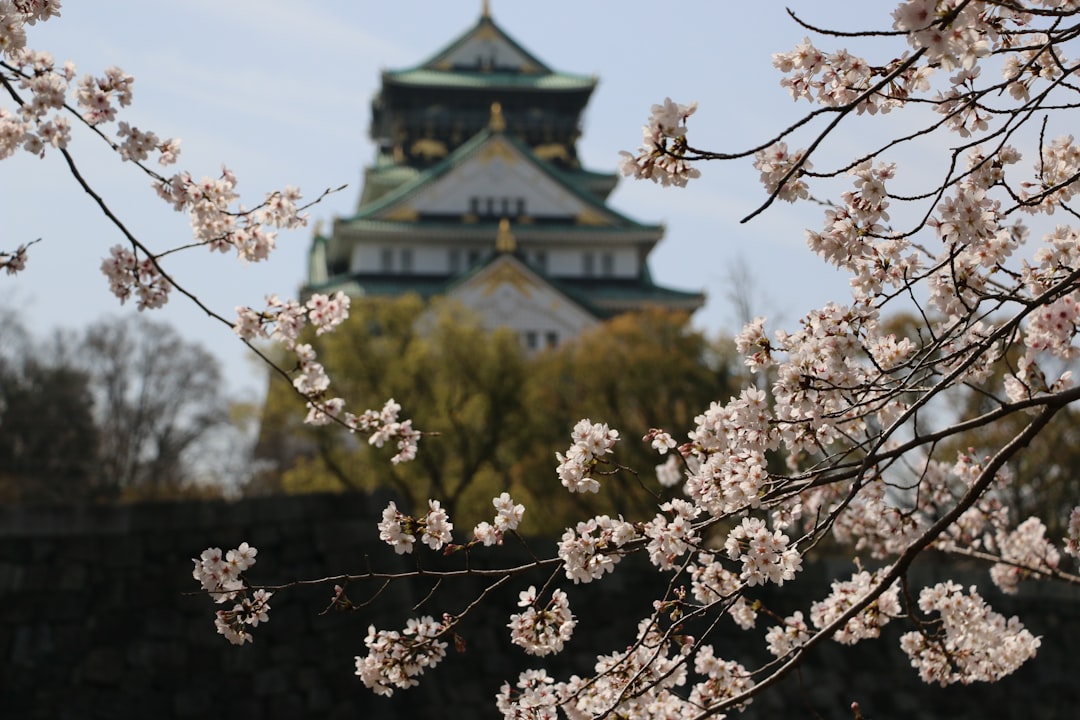
The history of Osaka Castle is a dramatic tale of two of Japan's most powerful clans. The current castle keep is a modern reconstruction of the one built by the Tokugawa clan. However, it stands on the ruins of the original, grander castle constructed by the great unifier Toyotomi Hideyoshi. This original fortress was destroyed after the Toyotomi clan was ultimately defeated by the Tokugawa in the historic Siege of Osaka (1614-1615), the final battle of the Warring States period.

Incredibly, parts of this history are still hidden on the grounds. Near the main tower, there is a locked, circular area resembling a well, covered by a metal lid. This unmarked spot conceals the buried remains of the original Toyotomi-era castle tower. For a deeper understanding, visit the recently opened Toyotomi Ishigaki-kan (Toyotomi Stone Wall Museum), which is free to enter and offers a fascinating look at the castle's origins. For more historical context, the Osaka Museum of History is located nearby and provides excellent exhibits on the city's past.

Afternoon: Hokoku Shrine and the Legacy of the Taiko

Within the castle park, take a moment for a quieter, more spiritual visit to Hokoku Shrine. This important site is dedicated to the castle's original builder, Toyotomi Hideyoshi, along with his son, Hideyori, and brother, Hidenaga. A visit here is a direct connection to the legendary figure who rose from humble beginnings to unify Japan. An interesting cultural detail is the pronunciation of the shrine's name. While a sister shrine in Kyoto is read as 'Toyokuni,' the Osaka shrine is read as 'Hokoku,' reflecting different regional traditions. Standing on these grounds, you are at the very center of a pivotal moment in Japanese history.


Day 2: Ancient Capitals and Sacred Foundations

Morning: The Imperial Ghosts of Namba Palace

Your second day begins with a journey further back in time to the Namba Palace Ruins Park. Long before the age of samurai, Osaka—then known as Naniwa—served as an imperial capital. While no original structures from this period remain, the park has been cleverly designed to bring this history to life. The ground is covered in red and grey tiles that meticulously outline the architectural layouts of the palaces that stood here during two distinct eras:

  • The Asuka Period (7th century)
  • The Nara Period (8th century)

Walking through the park, you can trace the footprints of ancient imperial halls and corridors, imagining the courtly life that once thrived here. A fascinating architectural detail is visible from the nearby Hanshin Expressway. Drivers on this elevated road experience a distinct downhill sensation as they pass over the park; this is because this section was built as a flat, ground-level road to avoid driving deep piles that would have damaged the palace ruins buried beneath.

Afternoon: Shitennoji Temple, Japan's Oldest

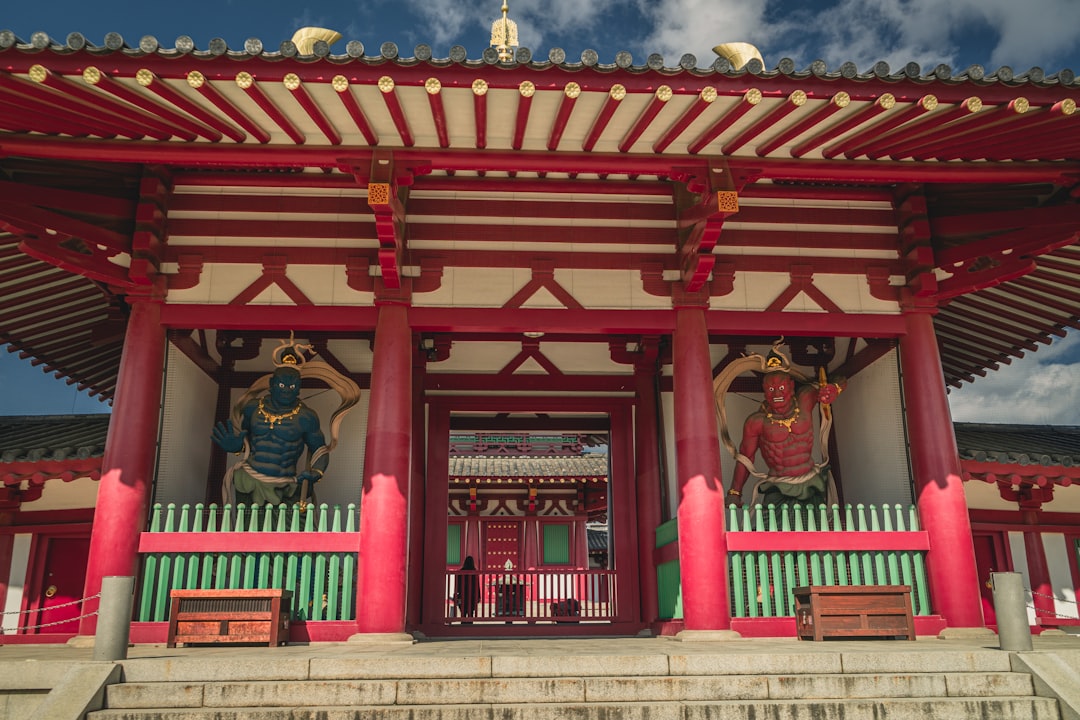
From the ancient capital, take a short trip to Shitennoji Temple, a site of immense spiritual and historical importance. It holds the distinction of being Japan's first Buddhist and oldest officially administered temple. Its founding marks the formal introduction and establishment of Buddhism in the country. Though the buildings have been rebuilt over the centuries, the complex maintains a classical layout that reflects its ancient origins, offering a serene and contemplative atmosphere.

Evening: A Stroll Through Hozenji Yokocho

Conclude your historical tour with an atmospheric walk through Hozenji Yokocho. This narrow, stone-paved alley, tucked away near the modern chaos of Dotonbori, feels like a portal to the Edo period. Lined with traditional lanterns and tiny, exclusive restaurants, it offers a taste of old Japan's nightlife and culinary culture. It’s the perfect, tranquil setting to reflect on your journey through the many layers of Osaka's rich and fascinating past.

Related Questions

What is the historical significance of the stone walls at Osaka Castle?

The giant stones were contributed by various feudal lords as a display of allegiance to the Tokugawa shogunate, and many are carved with the lords' family crests (kamon).

Which two powerful clans are associated with Osaka Castle's history?

The Toyotomi clan, who built the original castle, and the Tokugawa clan, who defeated them and rebuilt the fortress on its ruins.

Is there a museum about the history of Osaka Castle?

Yes, the Toyotomi Ishigaki-kan (Toyotomi Stone Wall Museum) is a free museum on the castle grounds that details the history of the original Toyotomi-era castle.

What is Hokoku Shrine?

It is a shrine within Osaka Castle Park dedicated to Toyotomi Hideyoshi, the castle's original builder, as well as his son and brother.

What can you see at the Namba Palace Ruins Park?

While no original buildings remain, the park uses different colored tiles on the ground to outline the architectural layouts of the imperial palaces from the 7th-century Asuka and 8th-century Nara periods.

What is Shitennoji Temple known for?

It is known for being Japan's first Buddhist and oldest officially administered temple, marking the formal establishment of Buddhism in the country.

Is there a secret historical site at Osaka Castle?

Yes, there is a locked, unmarked area near the main keep that covers the buried remains of the original Toyotomi-era castle tower.

What is Hozenji Yokocho?

It is a narrow, stone-paved alley near Dotonbori with a traditional Edo-era atmosphere, lined with small restaurants and bars.

What is a 'kamon'?

A 'kamon' is a Japanese family crest, many of which can be seen carved into the stones of Osaka Castle's walls.

What is unique about the Hanshin Expressway section that passes over Namba Palace Ruins Park?

That section of the expressway was built as a flat, ground-level road to avoid driving deep piles that would have damaged the ancient palace ruins buried underneath.

Related Articles

Sources

[1]

原来地下还有一座大阪城

https://www.xiaohongshu.com/explore/6905ff...

[2]

原来地下还有一座大阪城

https://www.xiaohongshu.com/explore/6905ff...

[3]

大阪🇯🇵拍了拍你,保姆级一日游攻略来咯~‼️

https://www.xiaohongshu.com/explore/68daff...

[4]

2025暑假去心斋桥、难波与梅田旅行购物攻略

https://www.xiaohongshu.com/explore/689f43...

Daisy Club - Influencer-Fueled Lifestyle and Travel Publisher

Daisy Club is an ambassador-powered lifestyle and travel publication that turns real stays and nights out into global discovery content. Our brands partner with handpicked micro-influencers—our "ambassadors"—to bring their experiences to life. Ambassadors stay at hotels, dine at restaurants, explore bars and try unique activities, then share authentic content on the social platforms where their audiences already live. We turn this source content into rich, editorial-style articles that make these experiences discoverable to a global audience. From hidden rooftop bars to design-driven hotels and must-try food spots, starting with the top travel cities across Asia Pacific, Daisy Club is building the freshest living guide to where to stay, eat and play around the world.

© 2026 Daisy Club. All rights reserved.